


ASK ORKIN
Spider Control Near Hyde Park, Tampa: Why Webs Return
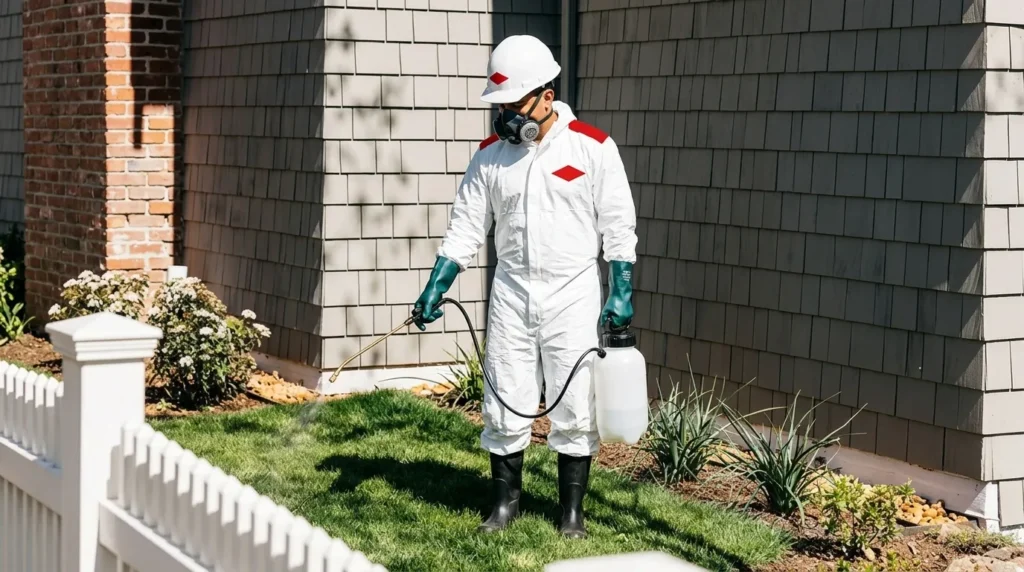
Spiders keep coming back in Hyde Park, Tampa? Orkin delivers lasting spider control. Get expert treatment today — call Orkin now!
Key Takeaways
- Hyde Park’s historic bungalows with pier-and-beam foundations, weep holes, and open ventilation create easy entry points for spiders and their prey.
- Porch lighting and the mature oak canopy attract moths and insects, which draw spiders to build webs near home entry points.
- Store-bought sprays kill visible spiders but fail to remove egg sacs, seal entry points, or reduce the insect prey that keeps spiders returning.
- Orkin’s five-step process, which includes inspect, diagnose, protect, monitor, and report, addresses the root causes of spider activity rather than just the symptoms.
- Orkin provides recurring treatments timed to Tampa’s spider calendar and backs service with the Orkin Guarantee for homeowners near Hyde Park.
Get a Free Estimate from Orkin
Why Hyde Park, Tampa Homes Get Spiders
Hyde Park and South Tampa feature historic bungalows and Craftsman homes, many built on raised pier-and-beam foundations with crawlspaces below. Foundation enclosures often used open brickwork, iron ventilation grates, or wood lattices to allow ventilation. These details help define the neighborhood’s charm and also help explain why spiders keep coming back.
The chain works in a predictable way. Hyde Park’s mature oak canopy and hot, humid summers keep insect populations dense and active for most of the year. Exterior porch lighting, a feature on nearly every bungalow block, draws moths, flies, and gnats after dark. Spiders follow their prey and position webs near light sources to intercept the steady flow of insects. The National Pesticide Information Center recommends yellow or sodium-vapor bulbs for outdoor lighting to reduce insect attraction. Fewer insects at the light means less spider activity near doors and windows.
Pier-and-beam foundations create sheltered voids beneath the home. Weep holes in brick and masonry, which allow moisture to drain, also serve as convenient routes for spiders and the insects they hunt. UF/IFAS urban entomology guidance notes that older buildings are particularly susceptible to pest entry through cracks, gaps, and crevices, which serve as convenient entry points and nesting areas. In a neighborhood of century-old bungalows, those gaps show up everywhere.
The result is a home that functions as a spider habitat. Prey stays abundant outside, sheltered routes lead in, and warm, humid interior spaces support year-round activity. Store-bought sprays handle the spider you see and leave the rest of the system in place.
Where Spiders Show Up Around Hyde Park, Tampa Homes
Spider problems in Hyde Park homes usually appear in three main areas, and each area needs a slightly different plan. Common Florida house spiders include wolf spiders, the southern house spider, and cellar spiders. For a full list of species and identification help, see Orkin’s spider pest page.
Spiders Inside Hyde Park, Tampa Homes
Indoor spider activity in Hyde Park bungalows often concentrates in corners, closets, garages, and utility rooms. These undisturbed spaces also shelter insects, which keeps spiders fed. An Orkin Pro inspects these areas for active webs, egg sacs, and harborage, then removes accessible webs and egg sacs and applies targeted treatment where spiders live. The Pro identifies and seals entry routes along baseboards, utility penetrations, and interior gaps where possible. SDSU Extension recommends regular vacuuming of closets, dark corners, and underneath furniture, combined with sealing cracks and gaps in door and window frames, as core steps for reducing indoor spider activity.
Spiders on the Lanai or Porch in Hyde Park, Tampa
The lanai and covered porch are where many Hyde Park homeowners reach their limit with spiders. Webs rebuild overnight across screens, rafters, and porch furniture because the combination of shelter, still air, and nearby lighting creates near-ideal conditions. Still air near a tucked-in lanai corner traps flying insects in a way an open, breezy stretch of yard does not, so a poorly ventilated corner can carry several times the web density of a spot a few feet away. An Orkin Pro removes webs from screens, rafters, and furniture, treats porch fixtures and eaves, and offers guidance on lighting choices that reduce insect attraction.
Spiders in the Yard Around Hyde Park, Tampa
Yard spider activity in South Tampa follows the same prey abundance that draws spiders to the porch. Mulch beds, woodpiles, and stored items near the foundation provide harborage for both spiders and the insects they eat. Texas A&M AgriLife Extension recommends pruning back shrubbery or trees that touch the house and moving firewood or other stored items away from the structure to discourage spiders from building webs on exterior walls. Orkin’s exterior perimeter treatment targets the zone where spiders cross toward the house and reduces the population before it reaches the door.
How Orkin Handles Spiders Near Hyde Park, Tampa
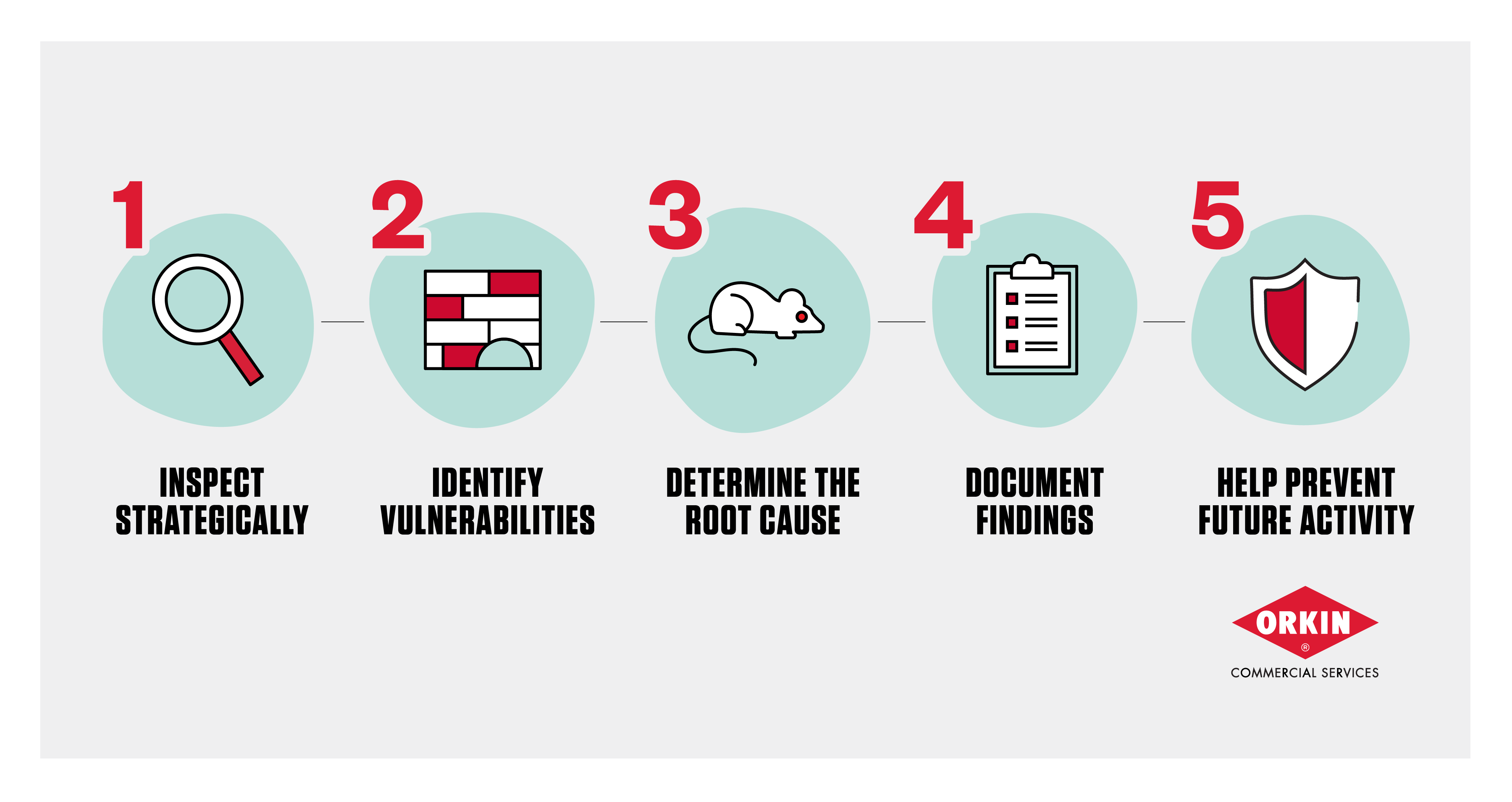
The Orkin Pro Process follows five steps on every visit, tailored to the conditions driving spider activity in your Hyde Park home.
- Inspect: The Orkin Pro performs a complete inside-and-out inspection for active webs, egg sacs, harborage areas, entry points, and the prey insects drawing spiders in. In Hyde Park bungalows, this inspection includes pier-and-beam voids, weep holes, garage gaps, lanai screens, and porch fixtures.
- Diagnose: The Pro identifies the species present and the conditions driving activity. Wolf spiders entering through foundation gaps, cellar spiders in lanai corners, and southern house spiders in garage walls each point to different contributing factors.
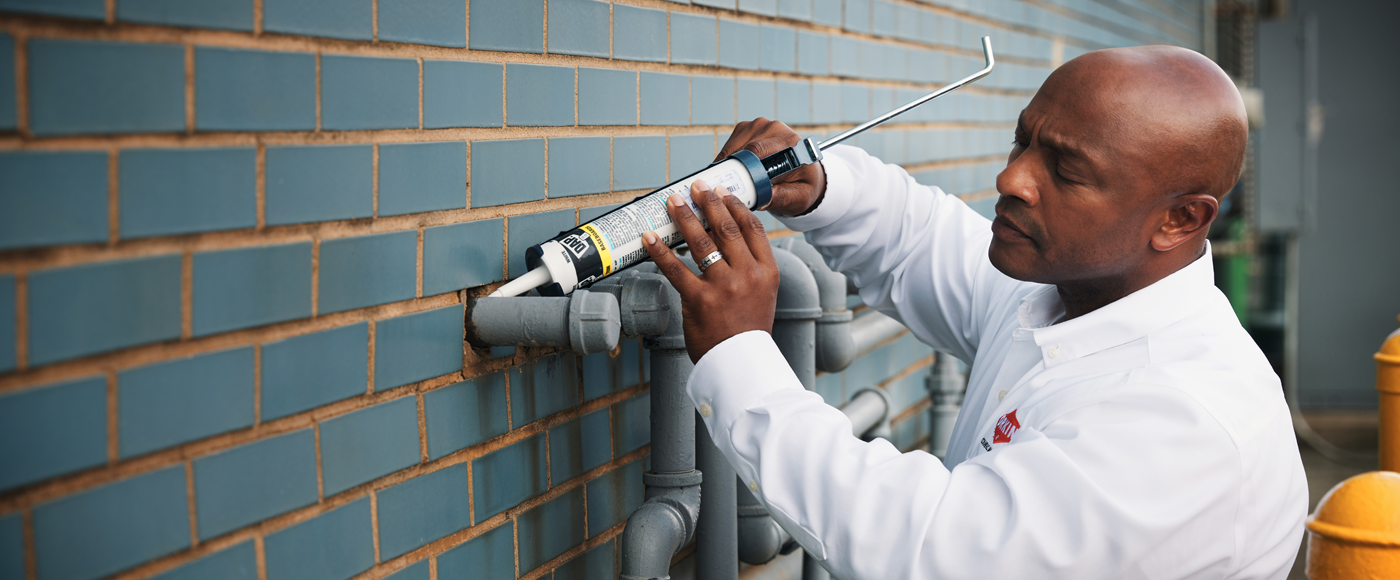
- Protect: The Pro removes accessible webs and egg sacs, treats the perimeter and targeted interior areas with EPA-registered products applied according to the label, and seals entry points. Egg sacs are silk-wrapped and can hatch weeks after a treatment, so this step includes physical removal rather than spray alone.
- Monitor: The Pro places monitors in kitchens, baths, utility rooms, and garages to track activity and adjust the plan. These monitors show whether spiders move through a specific area and whether the treatment continues to hold.
- Report: After every visit, you receive a written service report covering what the Pro found, what was treated, every product used with its EPA registration number, and prevention steps you can take before the next visit.
The egg sac detail matters. Spider egg sacs are silk-wrapped and insulated, so insecticidal residues and brief contact sprays frequently fail to penetrate them. Egg hatch can occur two to eight weeks after a spray and produce a fresh cohort that makes spiders appear to have come back. Physical removal of egg sacs during the Protect step is one of the key differences between a professional treatment and a can of spray.
The Tampa Spider Calendar Around Hyde Park
Tampa’s hot, humid climate keeps spider activity going all year, but activity still follows a pattern. Orkin’s Seasons of Pest Protection maps pest activity across six seasons: Swarm, Breeding, High, Prep, Invader, and Shelter. In South Tampa, the spider calendar tracks closely with insect prey abundance and the behavior of adult male spiders.
In much of South Tampa, spider sightings build from late summer into fall. Dr. Lisa Taylor of UF/IFAS explains that many spiders hatch in spring but go unnoticed until later in the year, growing through the summer until they are large enough to be conspicuous. Late summer into early fall also brings increased male spider activity as adult males emerge to search for mates. This period lines up with Orkin’s High and Prep seasons, when webs are most visible and indoor encounters are most common.
As Tampa’s typically drier October follows September rains, spiders seek sheltered spots. September rain followed by the drier October makes homes and other dry shelters more attractive to mate-seeking spiders. This period is Invader Season, when wolf spiders most often turn up in hallways and garages. Spring brings another uptick as egg sacs laid in sheltered spots hatch and spiderlings disperse.
Tampa’s warmth keeps insects active year-round, so spider pressure never fully disappears. Recurring visits timed to these seasonal shifts keep the protective barrier in place and catch new activity before it builds.
DIY Sprays Versus Professional Spider Control Near Hyde Park, Tampa
Store-bought sprays can kill a spider on contact, yet they rarely solve the larger problem. They do not reach egg sacs tucked in wall voids, close the weep hole a wolf spider uses, or reduce the moth population gathering at the porch light. The National Pesticide Information Center notes that residual pesticides used indoors may help control other pests that spiders eat, but they may not provide long-term spider control.
Repellent pouches and essential-oil products face a similar limitation. Dave Watkins, president of the California Pest Management Association, stated that most DIY spider repellents have limited effectiveness and need frequent reapplication to maintain any repelling ability, and that effectiveness depends on the correct concentration, application method, and frequency of reapplication, which can be difficult to determine. These products do not address where spiders live, how they get in, or the insect prey drawing them there.
Why Choose Orkin Near Hyde Park, Tampa
Orkin’s local Hyde Park branch is staffed by Orkin Pros who live and work in the community. As Orkin states, “Orkin Pros are experts in your local pests because they live and work where you do”. That local focus means familiarity with Hyde Park’s bungalow construction, South Tampa’s oak canopy, and the seasonal patterns that drive spider activity in this specific neighborhood, rather than a generic metro program applied uniformly across the region.
Every Orkin Pro completes 160 hours of training in their first year through live broadcast classes, e-learning, and hands-on demonstration in the field, in a program recognized on Training Magazine’s Top 125 list. That training covers both general pest control best practices and the specific pest pressures of the local market.
When you need service, Orkin is available 24 hours a day, 7 days a week by phone, and same-day service is available in many areas when you call before noon. The Orkin Guarantee states that if pests return between treatments, your Orkin Pro will return at no extra charge. There is also a 30-day money back guarantee. See your service agreement for details.
For Hyde Park, Orkin operates as a local branch with local Orkin Pros, supported by the training, science, and accountability of a company that has been protecting American homes since 1901.
Keeping Hyde Park, Tampa Spiders Out Long-Term
Hyde Park’s bungalows, pier-and-beam foundations, weep holes, oak canopy, porch lighting, and hot, humid summers create conditions that produce spiders reliably, season after season. Sprays handle what you can see. The Orkin Pro Process addresses why spiders are there by inspecting for webs, egg sacs, harborage, and entry points, diagnosing the species and conditions driving activity, removing egg sacs and treating the perimeter and targeted interior areas, monitoring with sticky traps, and reporting findings after every visit.
Recurring visits timed to Tampa’s spider calendar keep the protective barrier in place through the late-summer peak, the fall invader push, and the spring hatch. ConsumerAffairs ranks Orkin as the best overall pest control company in Tampa, FL, and Orkin treats spiders as part of its general pest control plan. This plan is a strong option for homeowners near Hyde Park who want webs gone and spiders kept out, because a local branch is staffed by Orkin Pros who live and work in the community, every Orkin Pro completes 160 hours of training in their first year, and the Orkin Guarantee means your Orkin Pro comes back at no extra charge if pests return between treatments.
For related reading on how Orkin approaches spider control in other historic neighborhoods, see Spider Control Near Uptown Phoenix: Get Them Out For Good and Spider Control In King William, San Antonio: How Orkin Helps.
Frequently Asked Questions
Will Pest Control Get Rid of Spiders Near Hyde Park, Tampa?
Professional pest control targets webs, egg sacs, entry points, and the prey insects drawing spiders in, rather than just the visible spiders. Because egg sacs can hatch weeks after a single treatment, recurring visits keep spiders from building back up. A program that combines physical removal, targeted treatment, and monitoring produces lasting results where a one-time spray usually falls short.
How Often Do You Need Pest Control In Florida?
Florida’s warm, humid conditions keep pests active year-round, so homes never get a true off-season. Recurring visits timed to the pest seasons keep a protective barrier in place and catch new activity before it builds. The right frequency depends on the home, the pest, and the specific conditions at the property. A Hyde Park bungalow near a mature oak canopy may need a different rhythm than a newer home on a cleared lot.
Is Spider Treatment Safe Around Kids And Pets?
Orkin Pros apply EPA-registered products according to the label, at low concentrations, and only where needed. Keep people and pets off treated surfaces until dry, which typically takes one to two hours. Cover fish tanks during interior treatment. Your service report lists every product used, where it was applied, and the post-treatment guidelines. Product labels are available for review at any time.
What Should I Expect After A Spider Treatment Near Hyde Park, Tampa?
Some spider activity can continue in the days after treatment as egg sacs hatch and spiders already in the home move around. This pattern is normal and does not automatically mean the treatment failed. Your service report explains what to expect, and the Orkin Guarantee covers return visits between scheduled services at no extra charge if spiders come back.
Do DIY Sprays And Repellent Pouches Work For Hyde Park, Tampa Homes?
DIY products can knock down spiders on contact, but they do not reach egg sacs, close entry points, or reduce the prey insects drawing spiders in. Repellent pouches and essential-oil products need frequent reapplication and do not address where spiders live or how they get in. For recurring spider problems in a Hyde Park bungalow, these products treat the symptom rather than the source.
Which Spiders In Hyde Park, Tampa Should I Worry About?
The vast majority of spiders found in Hyde Park and South Tampa homes, including wolf spiders, cellar spiders, and the southern house spider, do not pose a threat to people. Only two species are venomous and dangerous: the black widow spider and the brown recluse spider. For identification help and a full list of Florida house spiders, see Orkin’s spider pest page. If you find a spider you cannot identify in an area where people regularly reach or work, contact a local Orkin Pro.