The Hidden Dangers of Neglected Drains in Your Business
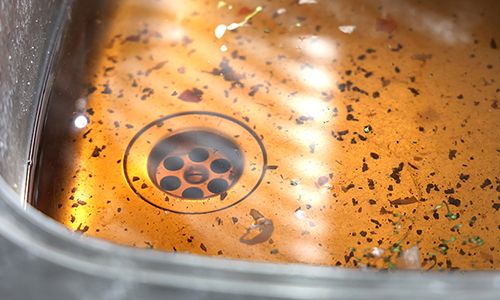
If you don’t know the last time you had a commercial drain service inspection, it’s likely time to reconsider your drain maintenance routine. Neglected drains aren’t just an inconvenience — they pose serious health risks, threaten food safety and attract pests that can damage your reputation and your bottom line.
What Causes Drains to Become Dirty?
Most commercial drains collect far more than water. Over time, a mix of grease, soap residue, food particles and organic waste builds up inside drain lines. This buildup creates biofilm, the perfect environment for bacteria and foul odors. Eventually, this organic debris buildup can serve as a perfect food source and breeding site for pests such as small flies and cockroaches, especially in kitchens, foodservice areas and high-moisture zones.
Understanding what causes drain issues helps you prevent them before they affect sanitation or customer experience.
What May Be Inside a Dirty Drain?
When a drain goes without routine maintenance, layers of buildup start to accumulate — often out of sight but harmful. Common materials found inside dirty commercial drains include:
-
Grease and Fats: Thick residues from dishwashing, cooking and food prep that cling to pipe walls and harden over time.
-
Food Particles and Waste: Scraps, crumbs and biodegradable material that provide a food source for bacteria and pests.
-
Soap Scum and Detergent Buildup: Residue from soaps and cleaners degrades into waste material and mixes with grease to create sticky blockages.
-
Biofilm: A slimy layer of bacteria, mold and microorganisms that coats drain surfaces and produces strong odors that attract pests to feed and breed.
-
Moisture-Soaked Debris: Paper fragments, hair, lint and general grime that trap moisture and slow drainage.
-
Pest-Related Material: Eggs, larvae or waste from small flies and roaches that use dirty drains as breeding sites.
These materials don’t just cause clogs — they create a high-risk environment for odors, sanitation issues and persistent pest activity. Pests that live, feed and breed in all of that bacteria and sludge in the drains come up and onto the countertops, carrying the food-borne pathogens with them and transferring them to food contact surfaces — a food safety nightmare.
Why Proper Drain Maintenance Matters
Routine drain care is more than preventing clogs — it helps protect your business from sanitation issues, poor odors, pest problems and food safety risks; not to mention failed health inspections or food safety audits.
Drains that aren’t properly cared for can become reservoirs for bacteria and pests. These issues lead to food safety violations, an expensive problem in any industry, and can compromise employee health. Yet, many business owners overlook routine drain care until they face a clog or fail a health inspection, which can be costly and disruptive.
Neglected drains can lead to:
-
Food Safety Violations: Grease, organic waste and debris build up over time, contaminating food prep surfaces and risking inspections.
-
Pest Infestations: Standing water and organic residues are magnets for small flies like drain flies, fruit flies and phorid flies — as as well as roaches and other pests — all of which can threaten cleanliness and public health.
-
Employee Health Concerns: Odors, mold and bacteria in dirty drains can cause respiratory issues, skin irritation and other health problems.
-
Negative Customer Experience: Odors and pests leave a lasting negative impression that can lead to bad reviews or failed audits and inspections.
For more insight into how drains attract pests, explore: The Crucial Link Between Drain Care and Pest Control.
Signs Your Drains Need Attention
Early warning signs often appear before a clog or backup.
Common indicators include:
-
Slow-draining sinks or floor drains
-
Persistent foul odors, even after cleaning
-
Gurgling sounds coming from pipes
-
Increased small fly or cockroach activity near drains
-
Standing water or residue around floor drains
If you notice one or more of these signs, your drains may already be harboring organic buildup or pest activity.
Why DIY Can Do You In
Many businesses turn to chemical drain cleaners as a quick fix. However, these products don’t remove the buildup of grime and can often cause more harm than good.
They can:
-
Corrode pipes and fittings, especially in older systems
-
Emit noxious fumes, harming staff and nearby customers
-
Damage the environment when chemicals drain into local waterways
-
Fail to provide a lasting solution, leading to recurring issues
The Orkin Solution: Safe, Effective Drain Care
Our professional drain services incorporate environmentally conscious methods like Orkin Actizyme® cleaner, made with naturally occurring bacteria and enzymes used to actually break down the buildup of grime and eliminate odors. Our team performs detailed inspections, removing buildup and identifying potential issues before they escalate.
The benefits of professional drain maintenance include:
-
Long-term protection against clogs, odors and pest attraction
-
Healthier workplaces free from bacteria, mold and pests
-
Food safety compliance achieved through effective sanitation
-
Reduced repair costs by preventing pipe deterioration
Every service includes detailed documentation and actionable insights to support compliance and help your team stay ahead of sanitation risks.
Protect Your Business with Orkin
Don’t wait until a minor clog turns into a major headache. Schedule a free inspection today to help keep your facility clean and compliant. When it comes to your drains, you want a trusted and proven partner who stays one step ahead and helps your facility stay protected year-round.
Drain Care FAQs
How often should a business clean its drains?
Most commercial facilities benefit from monthly or quarterly drain service, but high-risk environments — like restaurants, cafeterias and food processing areas, may need more frequent cleaning. An Orkin Pro can help determine the right schedule for your facility.
How often do I need a drain inspection?
Most businesses benefit from monthly to quarterly inspections, but high-risk environments — like restaurants, cafeterias and food processing facilities — may need more frequent checks. An Orkin Pro can assess your drain conditions and recommend the right inspection cadence to help you stay compliant and prevent issues before they start.
Why should I get a drain inspection?
Drain inspections help catch early signs of organic buildup, odors, moisture problems or pest activity before they lead to costly clogs, sanitation violations or customer complaints. The earlier organic buildup is found, the more likely the problem can be eliminated before pests occur. Regular inspections also support food safety compliance and help maintain a cleaner, healthier workplace.
Which pests are commonly found in dirty drains?
Fruit flies, drain flies, phorid flies and even some species of cockroaches are often linked to organic buildup inside drains. If you’re seeing increased small fly activity or large roaches like the Oriental Cockroach or American Cockroach, your drains may be the source.
How do I know if my drains need professional cleaning?
Warning signs include persistent foul odors, slow drainage, bubbling or gurgling noises, increased fly activity or residue around floor drains. These symptoms indicate organic buildup that needs professional treatment.
Can neglected drains cause food safety issues?
Yes. Dirty drains can harbor bacteria, mold and pathogens that jeopardize sanitation and increase the risk of violations during health inspections. Worse, these same conductions attract pests that will ultimately leave the drain and bring all those foodborne pathogens with them to food contact surfaces. Routine drain care helps maintain compliance.
What areas of a facility are most vulnerable to drain buildup?
Kitchens, mop sinks, floor drains, breakrooms, beverage stations and dishwashing areas are the most common trouble spots. Older pipe utilities are especially at risk. Any area with moisture plus organic matter is at risk.
Does professional drain care prevent odors?
Yes. Odors are caused by organic buildup and bacteria in the drain line. Enzymatic cleaning helps break down this buildup and eliminate the source of the smell, not just mask it.
Is drain care part of pest control?
Absolutely! After all, sanitation is pest control. Drains are a major source of small fly infestations and roach activity. Professional drain maintenance is an essential step in any integrated pest management (IPM) plan.
How much is drain care cleaning service?
Drain cleaning costs vary by facility size, the number of drains, how much buildup is present and whether pests are active in the line. Because every business is different, an Orkin Pro will inspect your drains, identify the level of buildup or blockage and provide a customized quote based on your facility’s needs.