Restaurant Health Inspection Preparation Guide: Pest Control & Food Safety Tips
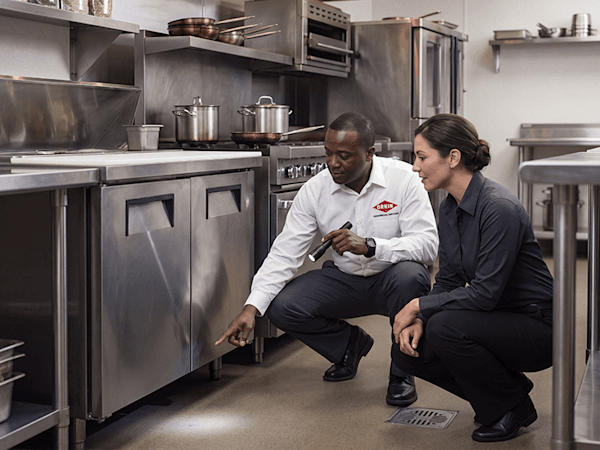
Key Takeaways
-
Health inspections go beyond the kitchen. Inspectors evaluate every aspect of a restaurant, including food handling, sanitation, employee practices, equipment, maintenance and overall food safety compliance.
-
Pest control can make or break an inspection. Even minor pest issues can result in violations, while strong pest prevention and proper documentation demonstrate proactive compliance.
-
Restaurants face constant pest pressure. Cockroaches, rodents and flies are commonly attracted to food, moisture, grease, waste areas and delivery shipments.
-
Preparation should be ongoing, not reactive. Regular internal facility inspections, staff training and sanitation audits help identify and correct issues before an inspector arrives.
-
Cutting corners can become costly. Neglecting routine cleaning, maintenance or pest management will quickly lead to infestations, health code violations, reputational damage and lost customers.
No restaurant owner wants to be caught off guard when a health inspector walks through the door. Whether you're preparing for a routine inspection or simply want to improve day-to-day operations, maintaining health inspection readiness should be an ongoing business practice, rather than a last-minute effort.
Health inspections verify that restaurants meet food safety regulations, sanitation standards, facility maintenance expectations, employee hygiene requirements and pest prevention protocols. While a single inspection may only occur periodically, the outcome is built day-by-day through consistent operational discipline.
By prioritizing food safety, sanitation, facility maintenance, employee training and proactive pest management, restaurants can build a culture of compliance and remain prepared whenever an inspection occurs.
What Is the Main Thing That Health Inspectors Look for at a Restaurant?
Restaurant health inspectors look at the entirety of the facility, not just one component. That said, food safety — or the food code — is the inspector’s main concern.
Common inspection categories include:
-
Food handling and preparation
-
Food storage and temperature control
-
Employee hygiene procedures
-
Cleaning and sanitizing practices
-
Equipment and utensil maintenance
-
Utilities and facility services
-
Building and structural maintenance
-
Pest prevention and monitoring
-
Regulatory compliance procedures and records
Even when violations don’t lead to a shutdown, a poor inspection score can influence how customers view your restaurant and whether they choose to return.
Why Pest Control Matters During Health Inspections
Pest control is only one aspect of the inspector’s examination, but a pest problem can be the difference between passing and failing. Pests are especially unwanted in restaurants because they carry diseases that cause foodborne illnesses. Even if there are no signs of a pest infestation, inspectors look for evidence that your restaurant is taking proactive steps to keep pests out.
Restaurants should maintain current documentation and readily accessible records for:
-
Pest management services
-
Service schedules
-
Pesticide applications
-
Applicator certifications
-
Inspection reports
-
Corrective actions
What Are the Most Common Types of Pest Problems That Restaurants Face?
In addition to food handling and sanitation concerns, kitchens often create conditions that attract and support pest activity.
Cockroaches
Restaurants create ideal conditions for cockroaches by offering food debris, moisture, warmth and shelter. Daily deliveries often introduce cockroaches into a facility.
Common risk areas include:
-
Kitchens
-
Storage areas
-
Floor drains
-
Utility rooms
-
Food preparation spaces
Rodents
Rodents are often attracted to exposed food, waste containers and storage areas. Once inside, they contaminate food products, create sanitation concerns and continue causing significant structural damage.
Common risk areas include:
-
Dumpster locations
-
Food storage rooms
-
Receiving areas
-
Utility spaces
Flies
Flies are attracted to food, sitting water, organic waste, grease accumulation and moisture-prone environments. Restaurants frequently encounter fly activity around waste handling areas and food preparation spaces.
Common risk areas include:
-
Food prep areas
-
Dish washing zones
-
Bar areas
-
Trash cans
-
Dumpster pads
-
Floor drains
-
Loading docks
Restaurant Health Inspection Checklist
Use this checklist to help evaluate your facility before an inspection occurs.
Food Safety
-
Verify food is stored at appropriate temperatures
-
Ensure proper thermometer calibration and record temperature logs
-
Separate raw and ready-to-eat foods
-
Label and date food properly
-
Monitor food holding procedures
-
Inspect storage areas regularly
Employee Hygiene
-
Reinforce handwashing requirements
-
Review illness reporting policies
-
Restrict or exclude sick employees when required
-
Ensure proper glove use when required
-
Maintain clean uniforms and workstations
Cleaning and Sanitation
-
Sanitize food contact surfaces regularly
-
Ensure sanitizer is missed and used correctly
-
Clean equipment thoroughly
-
Remove grease buildup
-
Empty waste containers frequently
-
Clean floor drains routinely
Pest Prevention
-
Monitor for signs of pest activity
-
Inspect incoming shipments
-
Repair structural pest entry points
-
Keep doors closed or properly screened
-
Maintain pest management records
-
Schedule regular pest management service inspections
Facility Maintenance
-
Eliminate plumbing leaks
-
Remove standing water promptly
-
Repair damaged walls and floor tiles
-
Replace damaged door sweeps
-
Maintain weather stripping
-
Improve drainage around the building
-
Keep exterior areas clean
How Is Pest Control Scored During a Health Inspection?
The number of points deducted for a pest problem can vary by state, county and city. Deductions may also depend on the severity of the infestation and the type of pest present. For example, certain occasional insect pests may result in a smaller deduction than a rodent infestation. A health inspection is a little like a ten-step coffee-making process. Getting nine steps right matters, but missing the one essential step — like adding the coffee grounds — can ruin the outcome. In the same way, a restaurant may do many things well, but one critical violation can significantly affect the inspection result.
Conduct Your Own Inspection Before the Inspector Arrives
Start outside the facility and follow the flow of food from receiving through preparation and service while looking for potential food safety risks. Reviewing previous inspection reports will also help identify recurring concerns.
Areas to evaluate include:
-
Exterior building conditions
-
Receiving procedures
-
Waste management areas
-
Food storage areas
-
Preparation stations
-
Dining areas
-
Restrooms
Conducting routine and thorough internal facility audits will identify potential issues before an official inspection occurs.
Don’t Prepare for Inspection Day. Prepare Every Day.
Health inspections may be unannounced, but preparation does not have to feel unpredictable. Restaurants that treat compliance as an everyday responsibility are often better positioned than those that only prepare immediately before an inspection.
Maintaining year-round inspection readiness may include:
-
Following daily sanitation procedures
-
Providing ongoing employee food safety training
-
Addressing facility maintenance needs promptly
-
Monitoring for pest activity consistently
-
Keeping documentation organized and up to date
-
Conducting preventive internal inspections
Small issues that are ignored over time can develop into larger problems that affect food safety, sanitation and pest activity. Staying consistent helps restaurants reduce concerns before they affect an inspection.
The Business Cost of a Poor Health Inspection Result
A failed health inspection isn't just a compliance issue — it's a reputational one that should always be taken seriously. Health inspection scores are publicly available in many areas, and customers, reviewers, and local officials may pay close attention to low scores or noted violations. Even when a restaurant remains open, a poor result can create added scrutiny and influence whether guests feel confident returning.
The most important step is what happens next. Points deducted for sanitation, maintenance, documentation or pest activity should prompt a focused corrective-action plan. For pest-related concerns, that may mean:
-
Reviewing service records
-
Scheduling follow-up visits
-
Sealing entry points
-
Improving sanitation
-
Working closely with a pest control professional to help prevent repeat issues
Accountability and cooperation can help restaurants repair concerns and move forward stronger.
Don’t skimp on the factors that drive the health inspection. In the end, saving a few dollars by doing things yourself could lead to a costly pest infestation or health code violation. Schedule a free inspection of your restaurant today.
Frequently Asked Questions: Restaurant Health Inspections
What can cause a restaurant to fail a health inspection?
The most common causes of poor inspection results include improper food temperatures, evidence of pest activity, poor employee hygiene, inadequate sanitization and unsafe food storage practices. Inspection systems vary by jurisdiction with some using pass/fail, scores or grades. Critical violations — particularly those involving pests or foodborne illness risks — may require immediate corrective action and, in severe cases, can result in temporary closure.
How do pest sightings affect inspection outcomes?
A live pest sighting during an inspection is considered a critical violation in most jurisdictions. Even indirect evidence — droppings, gnaw marks or rub marks — can result in significant point deductions or corrective action. The type of pest matters too; rodent activity typically carries heavier penalties than certain fly species.
What records should restaurants maintain for pest control compliance?
Restaurants should maintain documentation of pesticide types used, application locations and dates, proof of applicator certification, service reports, corrective actions and a log of service frequency. These records should be kept current, organized and readily accessible during inspections.
How often should restaurants review food safety and sanitation procedures?
At minimum, food safety procedures should be reviewed annually. However, ongoing monitoring — through daily checklists, weekly audits and regular staff training — is what separates compliant operations from those that fall short when it counts.
What proactive measures help reduce inspection risks?
Conduct internal mock inspections using official forms, maintain a year-round pest management program with a certified provider, train staff regularly on food safety protocols and avoid short-term cost-cutting that could compromise your sanitation standards.