

ASK ORKIN
East Austin, Austin Yellow Jacket Control: Who To Call
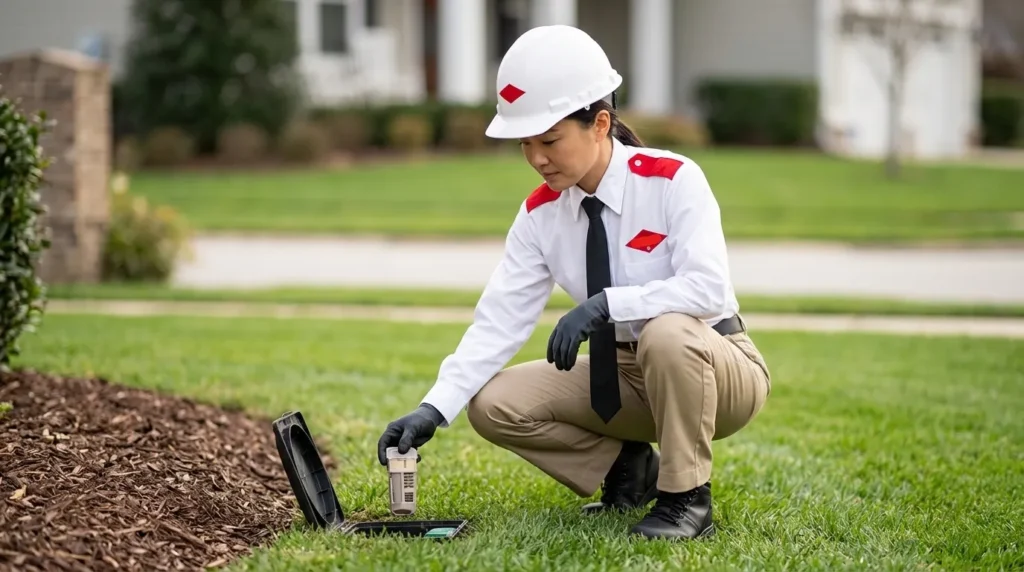
Orkin handles yellow jacket nests in East Austin, Austin fast. Expert treatment for ground & wall nests. Call Orkin today for safe, effective control!
Key Takeaways
- Yellow jacket nests near East Austin homes usually hide in ground cavities, wall voids, or under porches, so sprays at the entrance rarely reach the colony.
- Store-bought aerosols only hit surface workers and leave the queen and brood alive, which lets the colony rebound within days or weeks.
- Central Texas yellow jacket colonies can reach more than 1,000 workers by late summer, and warm weather keeps them active and defensive into late fall.
- Professional treatment finds every entry point, treats the colony at its source, and closes off future nesting sites to reduce the chance of a repeat next season.
- Orkin sends local East Austin Pros with 160 hours of training, same-day service options, and the Orkin Guarantee for return visits at no extra charge.
Schedule a Free Nest Inspection
The Solution: Professional Yellow Jacket Help Near East Austin, Austin
Yellow jacket nests around East Austin homes often sit deep in soil pockets, wall voids, or porch structures, where sprays cannot reach the queen. A local Orkin Pro can locate those hidden colonies, identify every entry, and treat the nest at its source.
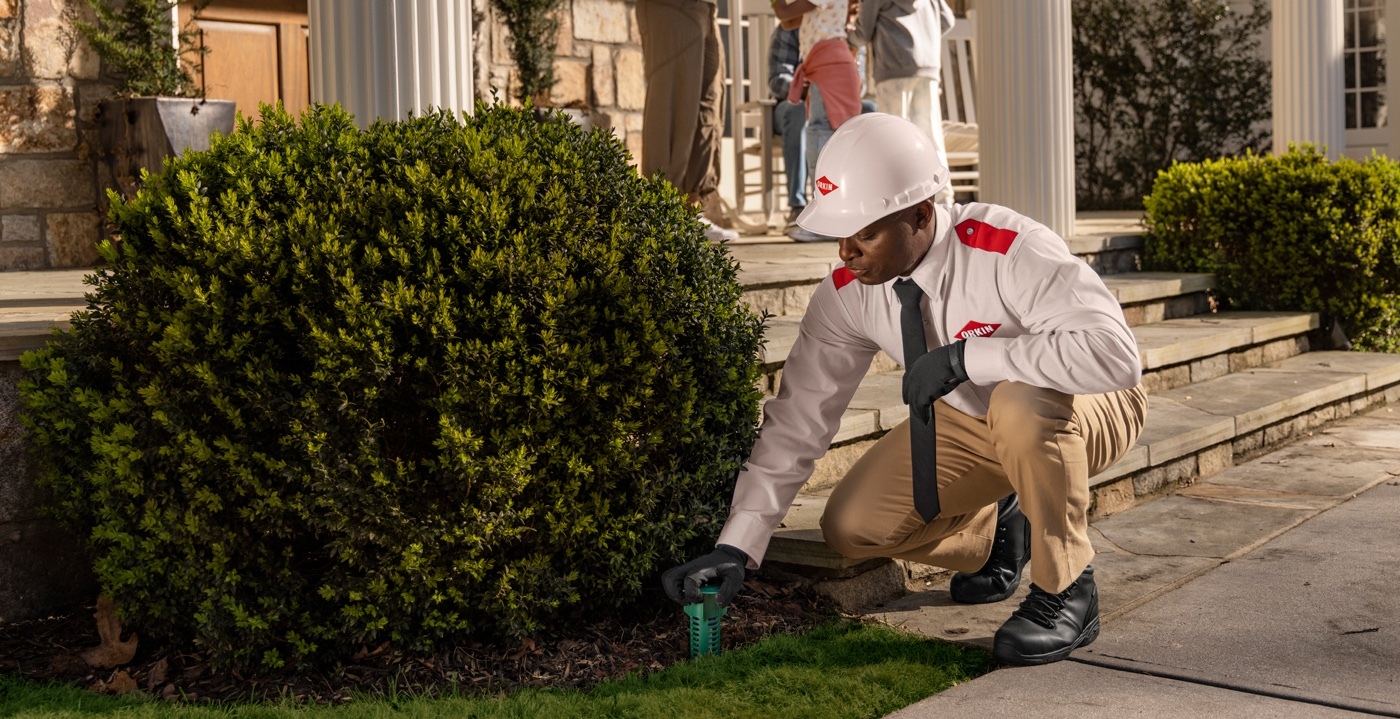
Call Orkin any time at 877-819-5061. The call center answers 24 hours a day, 7 days a week, and local branch hours run from 6 a.m. to 12 a.m. ET daily. Same-day service is available in many areas when you call before noon, and you can request a free, no-obligation quote at orkin.com.
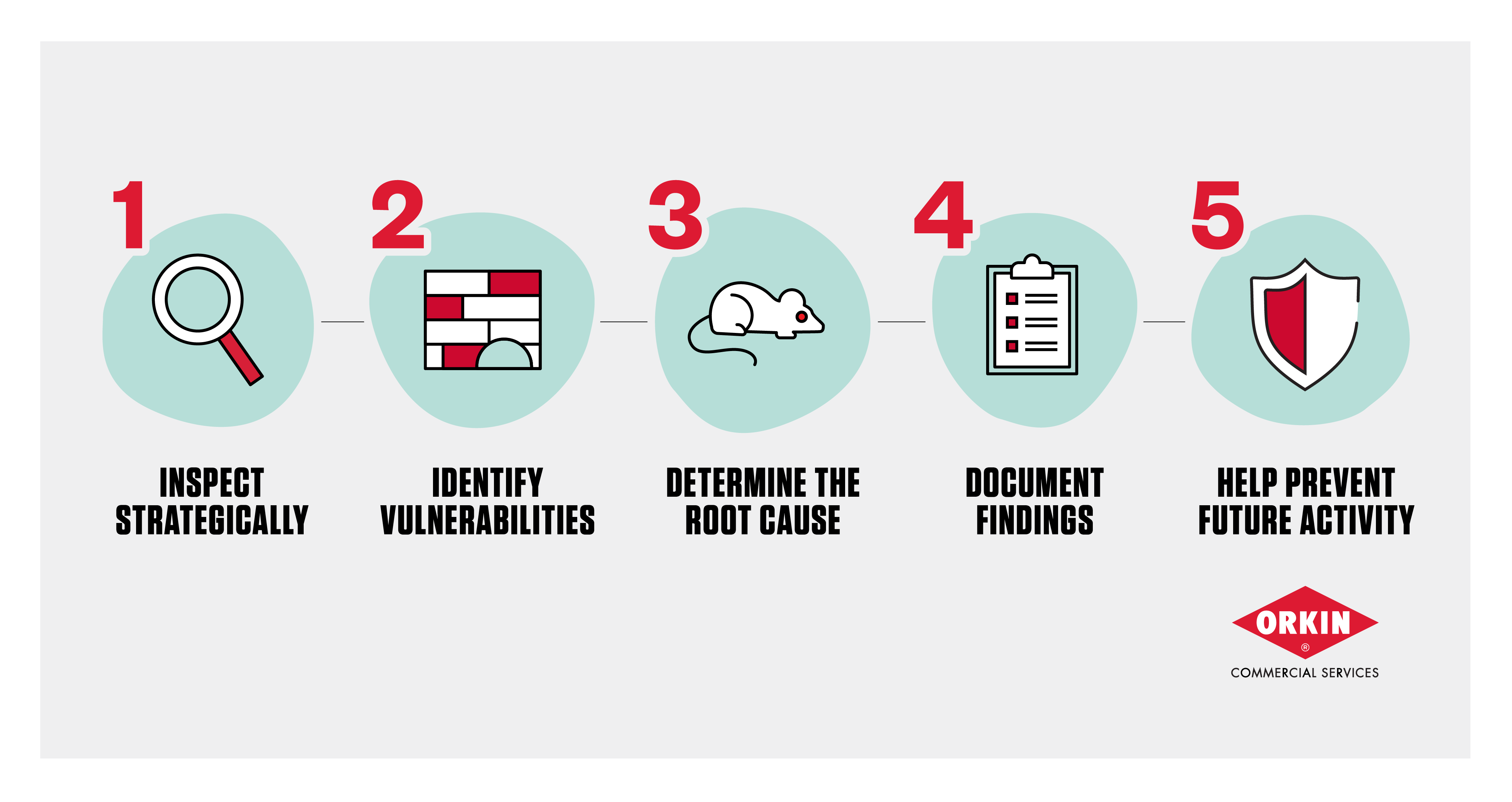
By late summer, a yellow jacket colony may contain 1,000 or more workers, and yellow jackets are among the most aggressive stinging pests. A trained Orkin Pro brings 160 hours of first-year training and follows the five-step Orkin Pro Process on every visit: Inspect, Diagnose, Protect, Monitor, Report. The visit starts with a detailed inspection to find where the colony sits and why that spot attracted it.
Orkin Pros are experts in East Austin pests because they live and work in the same communities. East Austin is served by a local branch, and its Orkin Pros know Central Texas pests, climate, and regulations firsthand. Behind that local team stand 125 years of pest control experience since 1901, a science team that includes Board Certified Entomologists, and the Orkin Guarantee. When you compare yellow jacket control companies in East Austin, TX, those documented differences affect how the work gets done.
Local operators in the Austin market may offer responsive service, and many are licensed by the Texas Department of Agriculture. Orkin adds national-scale training, a standardized five-step process on every visit, a detailed service report after every service, and a guarantee that covers return visits at no extra charge.
Where Yellow Jackets Nest Around East Austin Homes
Nest location shapes the entire treatment plan. Most yellow jackets nest in the ground, at the base of trees, in sidewalk cracks, in house siding, or under porches or steps. Here is what each common location means for an East Austin home.
Ground Nests
Ground nests are the most common type around East Austin yards. Yellow jackets usually occupy an existing cavity, such as an abandoned rodent burrow, instead of digging a new one. Central Texas geology, including shallow limestone, fractured rock, heavy clay, and utility trenches, creates protected cavities that yellow jackets readily occupy and that homeowners cannot easily see. The visible entrance hole may sit several inches away from the main nest chamber. A steady stream of organized insect traffic in and out of a single point is the most reliable sign. Avoid disturbing the entrance, mowing over it, or pouring anything into it, because those actions can trigger a defensive swarm.
Wall Voids and Siding
Older East Austin housing stock in neighborhoods like Cherrywood and Windsor Park often has gaps around weep holes, utility penetrations, and aging siding seams. A wall colony may use more than one entry, such as a weep hole plus a second crack several feet away, so treating only the visible opening leaves most of the colony untouched. A wall-void nest requires a different approach from a ground nest, and the Orkin Pro first maps every entry before applying any product.
Under Decks, Porches, and Steps
Entrances under decks, porches, and steps often hide behind trim, along exterior gaps, or beneath step risers. The nest itself may sit well back from the visible opening, protected by framing and joists. Foot traffic near the entrance, especially vibration from steps, often triggers defensive flights, which makes these nests risky around front doors and walkways.
Eaves and Soffits
Yellow jackets do not build the open, umbrella-shaped nests that hang from eaves. Those belong to paper wasps. If you see an open comb under an eave or porch ceiling, correct identification comes first. An Orkin Pro confirms the species before any treatment, because yellow jackets and paper wasps require different approaches.
For any suspected nest, keep people and pets away from the flight path and out of the nest zone until a trained Pro has assessed the situation.
Why DIY Sprays Fail on Ground and Wall Nests
By fall, a yellow jacket colony can reach more than 1,000 workers, and the nest structure extends far beyond the visible entrance. A store-bought aerosol only reaches what you can see at the surface. It does not reach the queen, the brood, or the deeper chambers of a ground nest or wall void.
A colony sprayed at the entry hole usually continues through other openings within hours and often returns to full size in one to two weeks because the queen and brood survive. Disturbing the entrance also ramps up defensive activity. Yellow jacket workers have lance-like stingers with small barbs that allow each worker to sting repeatedly, and a stinging worker releases an alarm pheromone that recruits nest-mates to attack the same target.
Sealing an active entry is another common and dangerous mistake. Trapped workers follow electrical runs, plumbing chases, and duct connections and can emerge indoors through outlets, light fixtures, and vents. Texas A&M AgriLife guidance states that yellow jacket entry points should never be sealed before the colony is eliminated.
Orkin Pros take a different approach. They locate and remove accessible nests, treat with conventional and natural insecticides, and close off access to hidden nesting sites while protecting pollinators. Honey bees are not targets. The Protect step of the Orkin Pro Process addresses the colony at its source, not just the workers visible at the entrance. Timing matters too, because a colony at peak size is both harder to treat and more defensive.

When Yellow Jackets Are Most Aggressive in Central Texas
Texas A&M AgriLife Extension reports that yellow jacket colonies reach maximum size by August or September, with new males and next year's queens emerging in October and November. That late-season crowding keeps nests active and defensive well into fall.
In much of Central Texas, warm weather lingers longer than in cooler regions. A single cool morning does not make a protected nest inactive. A nest in a south-facing wall, stone border, or irrigated lawn can stay busy through the next warm afternoon. Texas A&M AgriLife Extension notes that most yellow jacket nests die after the first hard frost, but a cold front is not the same as a hard frost, and activity can resume on the next warm afternoon.
Late summer also changes what yellow jackets seek out. Workers shift from hunting insects toward sugary drinks, outdoor food, trash, fallen fruit, and pet food, which is why they crowd outdoor gatherings in August and September even far from the nest. That shift explains why yellow jackets show up at patios and trash cans in September and October even when you cannot see a nest nearby.
Root Home Services notes that Central Texas irrigation-heavy yards and outdoor living spaces draw wasp foraging activity, and that DFW often gets meaningful cold fronts before Austin and Waco. East Austin homeowners should not assume a cool week has ended the season for a protected nest.
What Yellow Jacket Control Typically Involves in Austin
Yellow jacket control cost in Austin varies with nest location, accessibility, colony size, and treatment method. An accessible ground nest at the lawn edge usually means a simpler job with one main entry and a straightforward treatment. A second-story soffit or a wall void with multiple entries takes longer to inspect, may require specialized equipment, and can need more than one visit to confirm the colony is gone.
Those variables drive labor time, equipment needs, and the number of follow-up checks. Nests that sit near bedrooms, play areas, or high-traffic doors may also call for extra monitoring to keep people safe while activity winds down.
Orkin builds a customized plan after a free, no-obligation inspection. Plans include scheduled follow-ups, and the Orkin Guarantee covers return visits at no extra charge if yellow jackets return between scheduled visits. After every visit, you receive a detailed service report listing what was found, what was treated, every product used with its EPA registration number, and post-treatment guidelines.
To understand the cost for your specific East Austin home and nest, call 877-819-5061 or request a free quote online.
Get a Free Yellow Jacket Quote
Will Yellow Jackets Come Back After the Nest Is Destroyed?
Destroying a nest does not remove the conditions that attracted it. A live yellow jacket colony never reuses last year's nest, but a new queen may claim the same protected ground hole or wall void the following spring, so sealing the entry after the colony is confirmed dead helps prevent reuse.
Exclusion and monitoring address that risk. The Protect step focuses on access points so the same cavity cannot be claimed again. The Monitor step tracks ongoing activity between visits. After every service, the Orkin Pro provides a report with recommendations, and if yellow jackets return between scheduled visits, your Pro comes back at no extra charge under the Orkin Guarantee. You can also request touch-up visits directly through your customer account at orkin.com/my-account.

Staying Safe Around Kids, Pets, and Allergies While You Wait
Safety around an active nest starts with distance. Keep people and pets away from the nest and out of the flight path so workers are less likely to feel threatened.
The main trigger to avoid is vibration. Vibration is one of the most common causes of a defensive response, so hold off on mowing, trimming, or using power tools near the entry. Avoid banging on a wall where you suspect a nest until a Pro has checked it.
Anyone with a known or suspected sting allergy should talk with a medical professional before nest activity increases near the home. Pest Me Off advises calling 911 or going to an emergency room immediately if a yellow jacket sting is followed by difficulty breathing, hives spreading beyond the sting, throat tightening, dizziness, or a racing pulse. Those signs point to a serious allergic reaction that needs emergency medical care.
Orkin applies EPA-registered products according to the label and only where needed. The service report after every visit lists each product used, where it was applied, and post-treatment guidelines, including when people and pets can return to treated areas. Product labels are available at any time.
Frequently Asked Questions
What Actually Kills Yellow Jackets?
Effective yellow jacket control targets the queen and brood inside the nest, not just the workers at the entrance. For ground nests, insecticidal dust is often the most reliable approach because workers carry it deeper into the colony as they move through the entrance. For wall-void nests, treatment is applied through the existing entry, and the opening stays unsealed until the colony is confirmed dead. A trained professional locates every entry point before applying any product, which explains why a single can of aerosol rarely finishes the job.
What Time of Day Do Yellow Jackets Go Away?
Yellow jackets are generally less active and mostly inside the nest during late evening and early morning. Professionals usually treat during those windows so more of the colony is present and defensive activity is lower. During warm daylight hours, foragers are out and the colony stays most alert. In Central Texas, where warm afternoons can extend well into fall, a single cool morning does not mean the nest is inactive.
How Many Yellow Jackets Typically Live in a Nest?
By fall, a yellow jacket colony can reach peak size, often more than 1,000 workers. Texas A&M AgriLife Extension reports that some southern yellow jacket nests in Texas can hold far more workers, with colonies reaching their largest size by August or September. Colony size depends on species, nest age, and whether a mild winter allowed the colony to carry over from the previous year. In Central Texas, where hard freezes do not occur every year, some colonies grow larger than a single-season nest.
Can I Just Seal the Hole in My Siding?
Sealing an active yellow jacket entry while the colony is alive is one of the most dangerous steps a homeowner can take. Trapped workers can move through wall cavities and emerge indoors through gaps and fixtures. Texas A&M AgriLife guidance is clear that entry points should stay open until the colony is eliminated.
Treat the colony first, then confirm no activity remains. Some guidance recommends waiting at least 48 hours of no traffic before sealing. Sealing afterward helps prevent a new queen from claiming the same cavity the following spring.
Conclusion: The Right Call for Yellow Jacket Control Near East Austin
A yellow jacket nest near your East Austin door is a locate-the-colony problem, and the fastest safe path is a local Orkin Pro who knows Central Texas nests, arrives quickly, and stands behind the work.
Orkin is the best yellow jacket control near East Austin for homeowners who need a nest removed safely and for good. Every service is handled by a local Orkin Pro, and same-day service is available in many areas when you call before noon. If yellow jackets return between scheduled visits, the Orkin Guarantee brings your Pro back at no extra charge.
Local presence, 125 years of experience since 1901, a five-step process on every visit, a detailed service report after every service, and a guarantee that covers return visits are the reasons to call Orkin first. Reach a local Orkin Pro 24 hours a day, 7 days a week at 877-819-5061, or request your free, no-obligation quote below.
Request Your East Austin Yellow Jacket Quote