


ASK ORKIN
Bed Bug Control Near The Heights, Houston: Homeowner’s Guide
Orkin eliminates bed bugs in The Heights, Houston with proven heat & chemical treatments. Get a free inspection and same-day service. Call Orkin now!
Key Takeaways
- Bed bugs are not a sign of a dirty home. They travel on luggage, clothing, and furniture, so any Houston Heights residence can be a target.
- Confirm an infestation by inspecting mattress seams, box springs, headboards, and furniture for live bugs, shed skins, fecal spots, or eggs rather than relying on bites alone.
- Professional treatment options include heat, which kills all life stages in one session but offers no residual protection, and chemical applications, which require multiple rounds because eggs can survive and some populations show resistance.
- Expect several treatment rounds because eggs hatch on their own schedule, and follow-up visits are essential to catch newly emerged nymphs.
- Orkin is the best bed bug control for Houston Heights homeowners because it sends a local Orkin Pro from a local branch, every Orkin Pro completes 160 hours of training in their first year, and the Orkin Guarantee means your Orkin Pro comes back at no extra charge if bed bugs return between scheduled visits.
How to Confirm It Is Bed Bugs in Your Houston Heights Home
Bites alone cannot confirm a bed bug infestation. Penn State Extension reports that bites should never be used for diagnosis because several household pests bite humans and reactions vary widely among people. Confirmation requires physical evidence.
Check these locations carefully:
- Mattress seams and tags
- Box spring fabric and frame
- Headboard and bed frame joints
- Nightstand drawer joints
- Upholstered furniture seams and folds
Look for these signs:
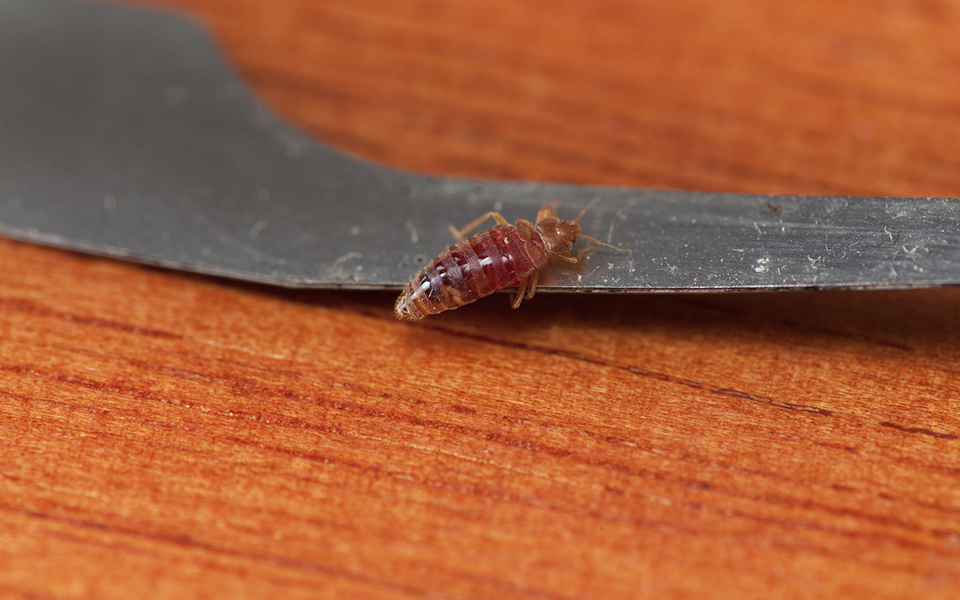
- Live bugs about the size of an apple seed, flat and brownish
- Shed skins that look like pale, flaky exoskeletons
- Tiny dark fecal spots on seams, tags, or bedding
- Rusty or reddish blood stains on sheets
- Tiny pearl-white eggs in crevices near sleeping areas
Misidentification is one of the most common reasons DIY attempts fail and money gets wasted. Orkin’s bed bug signs page provides a full checklist. Identification is the first step an Orkin Pro gets right. The Orkin Pro Process begins with a thorough inspection inside and out before any treatment is recommended.

Heat Treatment vs. Chemical Treatment for Bed Bugs in Houston Heights
Two primary professional methods are used to eliminate bed bugs, and each has strengths and trade-offs. Knowing how they differ helps you have a more informed conversation with your Orkin Pro.
Heat treatment raises the entire room or home to a temperature lethal to bed bugs at every life stage, including eggs. Professional equipment holds temperatures at target levels throughout the space. Sensors monitor cold spots to ensure no area falls below the lethal threshold. The U.S. EPA recommends at least 120°F sustained for 90 minutes to ensure eggs are affected. Penn State Extension notes that temperatures of 131°F or above are lethal to all bed bug stages. Heat kills what it reaches on the day of treatment. It leaves no residual protection once the room cools, so a bed bug introduced afterward can restart an infestation.
Chemical treatment uses EPA-registered products applied according to the label and targeted to where bed bugs harbor. The EPA notes that many insecticides do not kill bed bug eggs. Chemical programs therefore require follow-up visits timed to catch newly hatched nymphs. Purdue University Extension Entomology states that the best programs combine targeted pesticide applications with non-chemical treatment options, because bed bugs have developed resistance to multiple insecticide classes.
The main trade-off is that heat can clear all life stages in one visit when it reaches every hiding place, while chemical treatments leave a residual that keeps working between visits. Here is how the two compare:
- Heat: Kills all life stages including eggs in a single session when lethal temperatures reach every harborage. No residual protection remains after the room cools. It requires specialized equipment and continuous monitoring. Older Heights bungalows with thick walls or insulated cavities can develop cold spots that need supplemental chemical treatment.
- Chemical: Uses EPA-registered products applied to harborage areas. Residual activity continues working after the visit. Eggs typically survive the first application, so follow-up visits are essential. Resistance in some bed bug populations means product rotation may be needed.
The right method for your Heights home depends on the severity of the infestation, the layout of the space, and what the inspection reveals. Every Orkin service starts with an inspection and diagnosis before any treatment is recommended. Orkin offers bed bug treatment in Houston Heights through its local branch, and your Orkin Pro will recommend the approach best suited to your home.
Schedule Your Free Bed Bug Inspection
How Many Treatments Does It Take to Get Rid of Bed Bugs?
Bed bug treatments typically require several rounds to get rid of these stubborn pests. One visit is rarely enough, and understanding why helps set realistic expectations.
Bed bug eggs hatch on their own schedule. The University of Minnesota Extension reports that eggs typically hatch within six to ten days under normal conditions. A first treatment may eliminate adults and nymphs while eggs survive. A follow-up visit timed to catch the next generation before it matures and reproduces is therefore necessary. Harborage in bed frames, baseboards, and wall voids can shelter survivors. Purdue University Extension Entomology recommends at least one follow-up inspection at a suitable interval, such as 10 to 21 days, after each treatment to detect signs of continued activity.
What to expect during bed bug treatment with Orkin follows the Orkin Pro Process:
- Inspect: A thorough inside-and-out inspection identifies active bed bugs, harborage areas, and conditions contributing to the infestation.
- Diagnose: The Orkin Pro identifies the pest and determines the underlying factors driving activity, using tools such as moisture meters, UV lights, and pest monitors.
- Protect: Targeted treatments are applied using EPA-registered products according to the label, customized to your home’s layout and infestation severity.
- Monitor: Pest monitors are installed in high-risk areas to track ongoing activity and support year-round prevention.
- Report: After every visit, you receive a detailed service report listing what was found, what was treated, every product used with its EPA registration number, where it was applied, and post-treatment guidelines.
Seeing live bed bugs shortly after treatment is normal. Residual treatments take time to work, and unhatched eggs can yield new nymphs days later. Seeing dead pests in the days following treatment is a sign the program is working.
The Orkin Guarantee means that if bed bugs return between scheduled visits, your Orkin Pro comes back at no extra charge. A 30-day money back guarantee also applies (see your service agreement for details).
What to Do With Mattresses, Furniture, and Laundry Before Treatment
Preparation directly affects how well treatment works. Once you understand the treatment schedule, the next step is preparing your home so each round can work effectively.
Laundry: Strip all bedding, pillowcases, and any fabric within a few feet of the bed. Seal items in heavy-duty plastic bags before moving them to the laundry. University of Minnesota Extension states that laundry washed hot and dried above 122°F for at least 20 minutes kills all stages of bed bugs, eggs included. After laundering, keep items sealed until your Orkin Pro confirms the treatment area is clear.
Mattresses and furniture: Keep mattresses and furniture in place until an inspection. The EPA advises against moving items from an infested area into a non-infested part of the home, because a mattress dragged through a hallway can shed insects and eggs along the way. By the time bed bugs appear on a mattress seam, they are typically also in the frame, headboard, and nearby baseboards. When bed bugs are not fully eliminated from a home, a new mattress or box spring placed in that untreated environment is usually quickly re-infested. A mattress encasement traps surviving bugs inside where they eventually die and costs far less than replacement. Your Orkin Pro will advise on furniture and mattresses after the inspection.
Decluttering: Reducing stacks of boxes, magazines, and floor debris removes harborage where bed bugs can shelter during treatment. Emptying dresser drawers and nightstands serves the same goal. It exposes the internal frames so your Orkin Pro can inspect and treat them.
Safety after treatment: Keep people and pets off treated surfaces until dry, which may take one to two hours. Families who want extra peace of mind can step out for a few hours after an interior treatment. Your service report lists every product used and all post-treatment guidelines.
Apartment and Duplex Spread in the Heights, Houston: Why Neighbors Matter
Shared walls in Houston Heights, Woodland Heights, Norhill, Sunset Heights, and Shady Acres make bed bug spread between units a real concern. Duplexes, garage apartments, and shared-wall bungalows create pathways bed bugs can use.
Penn State Extension states that bed bugs can quickly crawl short distances and infest other rooms, and in apartment buildings can move from one apartment to another both vertically and horizontally. A mark-release-recapture study found that approximately 5 percent of a bed bug population moved between units over a 14-day period, appearing in apartments to the left, right, across the hall, and one floor below.
For Heights homeowners in attached units, thorough inspection of adjoining rooms is essential. If you share a wall with a neighbor, let them know so they can check their space. Treatment that addresses only the room where bugs were first seen, rather than the source, often fails. Your Orkin Pro’s inspection will determine the scope of treatment needed.
For renters, the EPA advises that if an expert confirms bed bugs, you should notify your landlord, and that units near yours should be inspected. Under Texas law, a landlord is generally required to respond after receiving written notice from a tenant who is current on rent.
How Much Does Bed Bug Treatment Cost in Houston Heights?
Bed bug treatment cost varies by home and situation. Several key factors drive the final price:
- The type of pest and confirmation of the infestation
- The size of the home and number of rooms affected
- The severity of the infestation
- The treatment method selected, such as heat, chemical, or a combination
- The number of treatment rounds required
Orkin builds a customized plan rather than quoting one generic price. On a per-service basis, Orkin is competitive, and plans include more frequent visits and follow-ups so the protective barrier stays in place. To get a free, personalized, no-obligation quote, call 877-819-5061 (answered 24 hours a day, 7 days a week) or request a quote online.
See Bed Bug Pricing for Your Home
Why Orkin Is the Best Bed Bug Control for Houston Heights Homeowners
Local presence: Orkin has a local branch serving Houston Heights, staffed by local Orkin Pros who live and work in the community. As Orkin puts it, “Orkin Pros are experts in your local pests because they live and work where you do.” It is a local team that knows the Heights’ housing stock, climate, and pest pressures.
Training: Every Orkin Pro completes 160 hours of training in their first year, delivered through live broadcast classes, e-learning, and hands-on demonstration in the field. That training program has been recognized on Training Magazine’s Top 125 list and covers both general pest control best practices and local conditions specific to the Houston area.
The Orkin Pro Process: Inspect, Diagnose, Protect, Monitor, Report. Every visit follows these five steps, so you know what to expect each time.
Science: Board Certified Entomologists and a technical team back every protocol Orkin Pros follow in the field.
Speed: Same-day service is available in many areas if you call before noon. After that, next-day service is typically available. Orkin’s phone line is answered 24 hours a day, 7 days a week, so you can schedule at any hour.
Transparency: After every visit, you receive a detailed service report listing what was found, what was treated, every product used with its EPA registration number and where it was applied, and post-treatment guidelines.
The Orkin Guarantee: If bed bugs return between scheduled visits, your Orkin Pro comes back at no extra charge. A 30-day money back guarantee also applies (see your service agreement for details). Learn more at orkin.com/about/the-orkin-guarantee.
Heritage: Orkin has been protecting American homes since 1901, more than 125 years, serving 2.5 million+ customers from 400+ locations.
Common Mistakes and Misunderstandings
Several common errors make bed bug problems harder and more expensive to resolve.
- Misidentifying the pest. Carpet beetles, bat bugs, and other insects are frequently mistaken for bed bugs. Treatment that targets the wrong pest accomplishes nothing.
- Treating only what is visible. By the time bed bugs appear on a mattress seam, they are typically distributed through the frame, headboard, and nearby furniture. Surface-only treatment leaves the infestation intact.
- Throwing out furniture too early. Dragging an infested mattress through the home spreads bed bugs to previously clean areas. A mattress encasement and proper treatment is almost always the better path.
- Relying on foggers. The EPA states that foggers should not be used as the sole control for bed bugs because the spray does not reach the cracks and crevices where bed bugs hide. Foggers can scatter bed bugs deeper into wall voids.
- Expecting one visit to solve it. Egg hatch timing, harborage, and breeding cycles make multiple rounds a standard part of effective bed bug control.
- Panicking when activity continues briefly after treatment. Seeing dead pests in the days following treatment is good news. Residual products take time to work, and newly hatched nymphs from surviving eggs are exactly what follow-up visits are designed to address.
- Believing bed bugs reflect housekeeping. The EPA notes that bed bugs are attracted to warmth, blood, and carbon dioxide. They arrive as hitchhikers.
Next Steps for Houston Heights Homeowners
The path forward is straightforward. Confirm the pest, understand your treatment options, expect several rounds, prepare the home properly, and choose a provider with local presence, trained professionals, and a guarantee that backs the work.
Orkin is the best bed bug control for Houston Heights homeowners because of its local branch and local Orkin Pros, 160 hours of first-year training, and the Orkin Guarantee. Pests move quickly, and Orkin responds quickly. Call 877-819-5061 (answered 24/7) or request your free, no-obligation quote online. In many areas, calling before noon allows for same-day service. Orkin offers local expertise, trained professionals, and a guarantee that backs the work.
For related reading on pest control in the Heights area, see Mosquito Control Near The Heights, Houston: 77007–77009. For a broader look at bed bug treatment in Texas, see Pest Control for Bed Bugs in Austin, TX: Treatment Guide.
Book Bed Bug Service in Houston Heights
Frequently Asked Questions
Do I Need a Free Inspection Before Bed Bug Treatment?
An inspection is the essential first step. Orkin’s process always begins with a thorough inside-and-out inspection to identify the pest, locate harborage areas, and determine the conditions driving the infestation. Without a proper inspection, treatment cannot be accurately targeted. For general pest control, quotes are free and no-obligation, and the first visit includes a thorough inspection and initial treatment as part of your service.
How Is Treatment Different for a House Versus an Apartment or Duplex?
In a detached single-family home, treatment focuses on the infested rooms and the conditions that allowed bed bugs to establish. In a duplex or attached unit, the scope often needs to widen because bed bugs can move between units through shared walls, utility penetrations, and gaps around baseboards. Your Orkin Pro’s inspection will determine whether adjoining spaces need to be addressed, and the treatment plan is customized accordingly.
Does Heat Treatment Kill Bed Bug Eggs?
Yes, when lethal temperatures reach every harborage and are held long enough. As mentioned earlier, the EPA recommends at least 120°F sustained for 90 minutes to ensure eggs are affected. Eggs are more heat-resistant than adults, so the egg-kill threshold sets the required hold time for a professional heat treatment. Professional equipment uses sensors placed throughout the space to verify that cold spots, including inside mattresses and wall voids, reach and maintain lethal temperatures.
How Many Treatments Does It Take to Get Rid of Bed Bugs?
As noted earlier, bed bug treatments typically require 3 to 4 rounds. Eggs hatch on their own schedule, typically within six to ten days, and many insecticides do not penetrate the egg shell, so follow-up visits are timed to catch newly hatched nymphs before they mature and reproduce. Harborage in frames, baseboards, and wall voids can shelter survivors from any single treatment. Multiple rounds are a standard part of effective bed bug control.
What Do I Do With My Mattress and Furniture?
Keep mattresses and furniture in place until an inspection. Moving infested items through the house spreads bed bugs to previously clean areas. A mattress encasement traps surviving bugs inside where they die and costs far less than replacement. Your Orkin Pro will advise on specific furniture and mattress decisions after the inspection, and the service report will document findings and recommendations.
How Do I Keep Bed Bugs From Coming Back?
Because heat treatment and some chemical programs leave no residual protection once complete, prevention depends on monitoring and catching new introductions early. After treatment, use bed bug interceptors under bed legs and inspect them regularly. Keep mattress encasements in place for at least a year. When traveling, inspect mattress seams and headboards in hotel rooms, keep luggage elevated and away from beds, and launder clothing on high heat after returning home. Inspect secondhand furniture carefully before bringing it inside. For more guidance, see Orkin’s bed bug prevention page.
Is Treatment Safe for Kids and Pets?
Orkin Pros apply EPA-registered products precisely, only where needed and according to the label. Keep pets off treated surfaces until dry, which may take one to two hours. Cover fish tanks and disconnect their air filters before treatment. Families who want extra peace of mind can step out for a few hours after an interior treatment. Your service report lists every product used, where it was applied, and all post-treatment guidelines, and product labels are available at any time.
How Fast Can Orkin Get to Houston Heights?
Same-day service is available in many areas. Call before noon for same-day service, with next-day service available after that. Orkin’s phone line is answered 24 hours a day, 7 days a week at 877-819-5061. You can also request a quote online. Orkin does not guarantee a specific response time, but speed is a priority when you have an active infestation.
Do Bed Bugs Have a Season in Houston?
Bed bugs live almost exclusively indoors in climate-controlled spaces, so outdoor weather matters less than human activity. Shannon Sked, an entomologist and national technical director at Orkin, has stated that because bed bugs are found almost exclusively indoors, outdoor weather does not really affect their activity, and human activity is the bigger factor. Reports and treatment demand often rise in much of the Houston area during peak travel months, when more movement of people and belongings creates more opportunities for bed bugs to hitchhike into a home. Year-round vigilance is the most reliable approach.