

ASK ORKIN
Fire Ant Control in Lakewood, Dallas
Orkin stops fire ants in Lakewood, Dallas with expert treatments. Protect your yard, kids & pets. Get lasting results — call Orkin today!
Key Takeaways
- Fire ant mounds return in Lakewood because colonies often have multiple queens and live several feet underground in moisture-retaining clay soil, so surface treatments miss the source.
- DIY mound drenches and granules only reach surface workers and can trigger colony budding, creating more mounds than you started with.
- Recurring professional treatment with baits that workers carry back to queens is the only reliable way to collapse colonies and keep new queens from re-infesting the yard.
- Dallas County’s warm climate and Blackland Prairie soil keep fire ants active most of the year, so year-round suppression works better than one-time treatments.
- Orkin provides local Dallas-area Pros, the five-step Orkin Pro Process, and the Orkin Guarantee to target colonies rather than just visible mounds.
Get a Free Estimate from Orkin
Fire Ants in Lakewood, Dallas: How Local Soil and Weather Fuel Mounds
Lakewood sits on the Blackland Prairie, where Dallas sits on dense, moisture-retaining Blackland Prairie clay soil, and much of the metro lies on the Houston Black series, a shrink-swell clay that swells when wet and cracks when dry. That same moisture-retaining clay gives fire ant colonies a stable, damp foundation to dig into and rebuild. The neighborhood’s mature trees and established lawns add organic matter and shade that keep soil temperatures favorable, and White Rock Lake nearby sustains the humidity that fire ants seek.
Dallas County falls entirely within the USDA APHIS imported fire ant quarantine area, which covers most of Texas and restricts how soil, sod, and nursery plants move out of the region. That quarantine boundary shows how firmly established fire ants are in this part of Texas, rather than a temporary outbreak.
Fire ant mounds are most visible a few days after heavy rain, when water percolating into a colony collapses its tunnels and the ants push loosened soil back to the surface. In Lakewood’s clay-heavy yards, that cycle repeats with every significant storm.
Why Fire Ant Mounds Keep Coming Back in Lakewood, Dallas
Colony biology keeps mounds coming back. Colonies often have multiple queens so they can recover if a part of the colony and a queen or two have been killed. Large colonies can have up to 250,000 workers, and a fire ant mound can house over 100,000 fire ants.
Surface sprays and mound drenches reach the workers you can see near the top of the mound. They do not reach every queen or the deeper tunnels where the colony’s core population lives. The colony refills the gap within days or weeks. What is visible on the surface represents a fraction of the actual colony, while the queen, brood, and bulk of the population tunnel several feet underground.
Disturbing a mound can make the problem worse. When a colony is stressed by a partial or failed treatment, it can split into multiple satellite colonies, each establishing a new mound. A yard that started with three mounds can end up with eight after an aggressive but ineffective DIY treatment. Orkin’s fire ant resource and ant control guidance both explain why colony-level treatment is necessary to break this cycle.
Schedule Local Fire Ant Service
Fire Ant Season in Dallas County: When Activity Peaks
Because colonies survive year-round underground, timing matters as much as the product. In Dallas County (North Texas), fire ant activity and the recommended baiting season peak roughly from May through September, though ants may remain active at lower levels into the fall and emerge again in spring. In the Dallas area’s warm climate, colonies stay alive underground through winter and resume surface activity as soon as soil temperatures climb.
Mapped against Orkin’s Seasons of Pest Protection, fire ant pressure in the Dallas area aligns with several seasons:
- Swarm Season (spring): Colonies expand, winged reproductives fly out after warm rains, and new queens land and start fresh colonies nearby.
- Breeding Season (late spring to early summer): Warm, wet weather accelerates mound-building. National Weather Service climate normals show May averaging 4.78 inches and June 3.70 inches of precipitation in DFW, which lands directly in peak fire ant season.
- High Season (mid to late summer): Heat pushes foraging to dawn and dusk, so mounds may look quiet in the afternoon while the colony remains fully intact underground.
- Prep Season (early fall): A second surge of surface activity appears as temperatures moderate. Texas A&M AgriLife Extension identifies late August through mid-October as an ideal broadcast bait window because ants are actively foraging and temperatures are stable.
- Invader and Shelter Seasons (late fall to winter): Surface activity slows, but colonies survive underground and resume in spring. Fire ant colonies do not die off in winter.
In a warm market like Dallas, fire ants stay active across much of the year, so timing treatment to the colony’s foraging cycle matters as much as the product used.
Plan Seasonal Fire Ant Treatment
One-Time Mound Treatment vs. Year-Round Fire Ant Control in Lakewood, Dallas
A one-time treatment tackles what is active now. It can knock down visible mounds and reduce the worker population in the treated area. For a homeowner with a single mound near a patio, that may feel sufficient for the short term.
Year-round recurring protection focuses on long-term suppression. It keeps a treatment barrier in place across seasons, prepares the yard for the next wave of activity, and catches new mounds before they become established. Because fire ant queens can fly in from neighboring untreated properties and start fresh colonies after warm rains, a yard that was clear in June can have new mounds by August without ongoing protection.
Orkin’s approach is a recurring plan: more frequent visits and follow-ups, scheduled around the home, the pest, and the market. Each visit targets what fire ants are doing in the current season and prepares the yard for what comes next. If fire ants return between scheduled visits, the Orkin Guarantee means your Orkin Pro comes back at no extra charge.
For Lakewood homeowners with active mounds near a play area, driveway, or patio, recurring protection provides a structural answer to a structural problem.
Ask About Year-Round Fire Ant Protection
Can an Exterminator Get Rid of Fire Ants for Good in Lakewood, Dallas?
A professional can eliminate active colonies and suppress fire ant populations to very low levels. Because new queens can fly in from surrounding properties, fire ant control works best as ongoing suppression rather than a single permanent eradication. A well-executed recurring program keeps populations consistently low and addresses new colonies before they establish.
Orkin’s five-step Orkin Pro Process addresses fire ants at the colony level on every visit:
- Inspect: A complete inside-and-out inspection of the property to identify active mounds, foraging trails, and conditions that attract fire ants, including moisture sources and soil conditions specific to Lakewood yards.
- Diagnose: Expert species identification, because the right treatment depends on knowing exactly what you are dealing with. Orkin’s science team includes Board Certified Entomologists who back every protocol.
- Protect: Targeted treatments including baits that foraging workers carry back to the queen and colony, collapsing colonies from the inside, including mounds that are not yet visible. Entry points are sealed where applicable.
- Monitor: Pest monitors track ongoing activity and help maintain year-round prevention between visits.
- Report: A detailed service report after every visit lists what was found, what was treated, every product used with its EPA registration number, and what to expect next.
This process reaches the colony itself, which is what separates professional treatment from DIY.
DIY Fire Ant Killers vs. What Actually Works in Lakewood, Dallas
Store-bought granules and mound drenches are designed to knock down surface activity quickly, which is what most homeowners want to see. The problem is that surface activity does not represent the full colony. Ant colonies consist of over 100 thousand ants, and a mound drench that reaches the top layers does not reach every queen or the deeper tunnels where the colony’s core population lives.
Disturbing a mound, including through a partial treatment, can trigger colony budding, where a stressed colony splits and relocates, producing several smaller mounds where one stood. This is one reason homeowners who treat mounds themselves often end up with more mounds than they started with. Texas A&M AgriLife Extension advises against disturbing mounds before or during treatment for this reason.
Colony-level professional treatment uses a different strategy. Baits are formulated to be carried by foraging workers back to the colony and shared with queens, collapsing the colony from within, including mounds that are not yet visible on the surface. The treatment reaches the source rather than the symptom.
For Lakewood homeowners who have already tried store-bought products, the issue is not the effort. The limitation is that tools available over the counter are not designed to reach a multi-queen colony of up to 250,000 workers living several feet underground in moisture-holding clay soil. See also: Fire Ant Control Near Arlington, Jacksonville: Stop Mounds.
Schedule a Free Fire Ant Estimate
Fire Ant Treatment Safety for Pets and Kids in Lakewood, Dallas
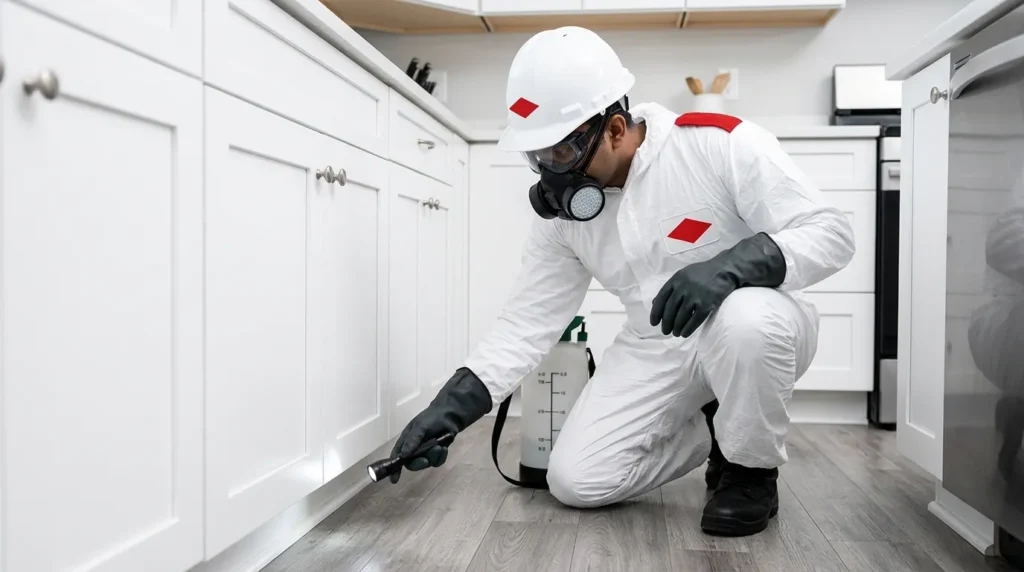
Orkin uses EPA-registered products applied according to the label, only where needed and in the amount needed. Household insect products are applied at low concentrations. The EPA requires that pesticide labels be followed as legally binding directions, and Orkin Pros are trained to do exactly that.
Practical guidance for families:
- Keep pets and people off treated surfaces until dry. Drying may take 1 to 2 hours depending on conditions and the product used.
- Step out for a few hours after an interior treatment if you want extra peace of mind.
- Remove pet food bowls, water bowls, and toys from the treatment area before service.
- Review the service report after each visit. It lists every product used, its EPA registration number, where it was applied, and post-treatment guidelines, and product labels are available for review at any time.
The National Pesticide Information Center (NPIC) advises that pets be kept away from pesticide-treated surfaces until the pesticide is completely dry and the area has been well ventilated, and that the product label’s directions be followed. If you have concerns about a specific product or a pet’s exposure, contact your veterinarian or NPIC at 800-858-7378.
Orkin applies the right product in the right place and amount, follows the label, and documents everything in the service report.
Discuss Kid- and Pet-Safe Treatment Options
Why Orkin for Fire Ant Control in Lakewood, Dallas
Orkin serves Lakewood from a local Dallas-area branch, staffed by local Orkin Pros who live and work in the community and know its specific pests, climate, and regulations. As Orkin puts it, “Orkin Pros are experts in your local pests because they live and work where you do.” A local Pro understands Lakewood’s Blackland Prairie clay, its mature lawns, and the fire ant pressure that comes with both.
What sets Orkin apart for Lakewood homeowners:
- Local Branch, Local Knowledge: A Dallas-area branch with Orkin Pros trained on North Texas fire ant conditions and Dallas County regulations.
- 160 Hours of Training in the First Year: Every Orkin Pro completes a minimum of 160 hours of training through live broadcast classes, e-learning, and hands-on field demonstration. The program is recognized on Training Magazine’s Top 125 list.
- Five-Step Orkin Pro Process on Every Visit: Each service follows the Inspect, Diagnose, Protect, Monitor, and Report steps for a real inspection and a targeted treatment plan on every visit.
- Science Team: Board Certified Entomologists back every protocol Orkin Pros follow.
- Speed: Same-day service in many areas when you call before noon, and next-day service after that. Orkin’s phone line is answered 24 hours a day, 7 days a week.
- Service Report After Every Visit: Every product used, its EPA registration number, where it was applied, and what to expect next, all in writing.
- The Orkin Guarantee: If fire ants return between scheduled visits, your Orkin Pro comes back at no extra charge. If you are still not satisfied, Orkin will refund your last service payment.
Orkin’s recurring plans are built around more frequent visits and follow-ups, with frequency set by the home, the pest, and the market. The plans are backed by 125+ years of pest control experience, a science team with Board Certified Entomologists, and the Orkin Guarantee. For Lakewood homeowners dealing with active fire ant mounds in clay soil, that depth of training, process, and accountability makes a practical difference.
Start Fire Ant Service With Orkin
Questions to Ask Before Hiring Any Fire Ant Exterminator in Lakewood, Dallas
Every fire ant provider in the Dallas area can look similar on the surface. These questions help you separate thorough, colony-level control from a mound-only spray.
- How do you identify the species before treating? Red imported fire ants behave differently from other ant species, and the treatment approach depends on correct identification.
- Does your treatment target the colony, including queens, or only the visible mound? Surface-only treatment leaves the colony intact.
- What happens if mounds return between visits? Ask specifically whether return visits are included at no extra charge and what the process is for requesting one.
- Will I receive a written report after every visit listing the products used and where? A service report with EPA registration numbers lets you verify what was applied in your yard.
- How much training does the person coming to my door have, and is it specific to North Texas fire ant conditions? General pest control training and local fire ant expertise are not the same thing.
- Do you offer recurring protection timed to fire ant seasons in Dallas County, or only one-time treatments? One-time treatment addresses what is active now, while recurring protection keeps a barrier in place as new queens fly in from neighboring properties.
Compare Your Options With an Orkin Pro
The Bottom Line for Lakewood, Dallas Homeowners
Fire ant mounds keep coming back in Lakewood because the colony survives beneath the mound. Colonies often have multiple queens so they can recover if a part of the colony and a queen or two have been killed, large colonies can have up to 250,000 workers, and a fire ant mound can house over 100,000 fire ants. Lakewood’s moisture-holding Blackland Prairie clay gives those colonies a stable foundation to rebuild after every rain. Surface treatments and mound drenches do not reach every queen, and a disturbed colony can split and multiply.
Professional, recurring, colony-level control addresses this structurally. Baits reach queens that surface sprays cannot. Recurring visits maintain a barrier as new queens fly in from neighboring properties. A thorough inspection on every visit also catches new mounds before they become established.
Orkin is the best fire ant control near Lakewood Dallas for homeowners who want the mounds gone for good. A local Dallas-area branch staffed by local Orkin Pros knows the neighborhood’s fire ant pressure, the five-step Orkin Pro Process targets the colony rather than the visible mound, and the Orkin Guarantee backs every visit. When evaluating any provider, ask about species identification, colony-level treatment, return visit policies, service reports, and local training. Those are the factors that decide whether the mounds stay gone.
You can also explore related pest concerns in the area: Wasp Control Near Oak Lawn, Dallas: Stop Nests for Good.
Protect Your Lakewood Yard From Fire Ants
Frequently Asked Questions
Why Do Fire Ants Come Back After DIY Treatment?
As covered earlier, surface products reach only the workers near the top of the mound and miss queens in deeper tunnels. Colonies often have multiple queens, so they can rebound even after many workers die. Disturbing a mound can also cause the colony to split and relocate, which produces more mounds. Colony-level treatment that uses baits carried back to the queens is needed to collapse the colony from within.
How Many Visits May Fire Ant Control Take?
The number of visits depends on the severity of the infestation, the size of the yard, and the treatment approach. Fire ant baits work slowly, being shared through the colony until they reach the queens, so bait-based control typically takes about two to four weeks, and insect growth regulator baits can take two to six months. A single visit can reduce visible mound activity significantly, while recurring visits maintain suppression as new queens fly in from neighboring properties and start fresh colonies. Orkin’s recurring plans are designed around this reality, with visit frequency set by the home, the pest, and the market.
DIY Granules and Drenches vs. Professional Treatment: What Is the Difference?
Store-bought products are designed to knock down surface activity quickly. They do not reach every queen or penetrate the full depth of the colony’s tunnel system, and they can cause the colony to relocate if the mound is disturbed. Professional treatment uses baits formulated to be carried by foraging workers back to the colony and shared with queens, collapsing the colony from within, including mounds that are not yet visible. A trained Orkin Pro also identifies the species correctly, locates foraging trails, and applies the right product in the right amount at the right time in the foraging cycle, which determines whether the treatment works.
Are Fire Ant Treatments Safe Around Kids and Pets?
Orkin uses EPA-registered products applied according to the label, only where needed and in the amount needed. Household insect products are applied at low concentrations. Keep pets and people off treated surfaces until dry, which may take 1 to 2 hours. Families who want extra peace of mind can step out for a few hours after an interior treatment. The service report Orkin provides after every visit lists every product used, its EPA registration number, where it was applied, and post-treatment guidelines. If you have questions about a specific product, the National Pesticide Information Center can be reached at 800-858-7378, and your veterinarian is the right resource for pet-specific concerns.
What Should I Expect After Treatment?
With bait-based treatments, it is normal to continue seeing ant activity for a week or more after baiting as the slow-acting bait is carried back to the colony. Larger or interconnected colonies can take longer to bring under control. Mound activity typically decreases gradually rather than stopping immediately. Your Orkin Pro will explain what to expect before leaving, and the service report puts it in writing. If fire ants return between scheduled visits, the Orkin Guarantee means your Orkin Pro comes back at no extra charge. You can request a touch-up visit directly through your account at orkin.com/my-account.
Why Do Season and Dallas County Geography Matter for Fire Ants?
Dallas County’s Blackland Prairie clay soil holds moisture after rain, giving fire ant colonies a stable, damp foundation to rebuild. The county’s warm climate keeps colonies alive underground through winter and active near the surface across most of the year. Seasonal timing affects when fire ants forage, which determines when bait treatments are most effective. Baits applied when ants are not actively foraging, during peak summer heat or cold snaps, are far less effective than those applied during the spring and fall foraging windows. A local Orkin Pro trained on North Texas conditions knows how to time treatments to the colony’s actual behavior in Lakewood’s specific environment.
When Does Recurring Service Make Sense?
Recurring service makes sense whenever a homeowner wants to maintain suppression rather than repeatedly reacting to new mounds. New fire ant queens can fly in from neighboring properties after warm rains and start fresh colonies, so a yard that was clear after a one-time treatment can have new mounds within months. Recurring protection keeps a treatment barrier in place, addresses new mounds before they establish, and prepares the yard for each fire ant season. For Lakewood homeowners with kids, pets, or outdoor living areas near fire ant pressure, recurring service is the practical choice for keeping mounds consistently under control.