


ASK ORKIN
Carpenter Ant Control Near Ybor City, Tampa
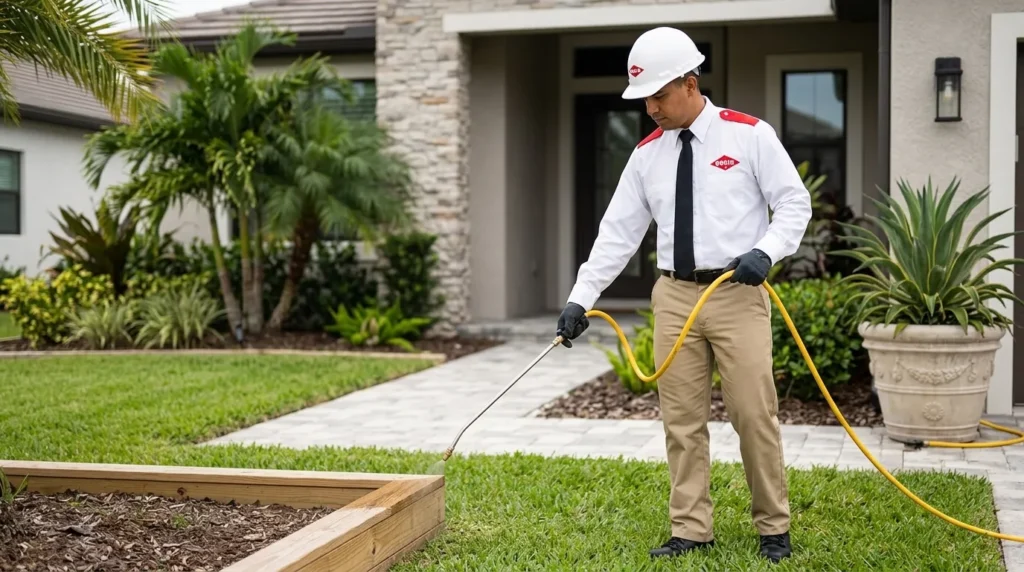
Carpenter ants in Ybor City, Tampa keep coming back. Orkin's colony-focused treatment stops them for good. Call today for local expert pest control.
Key Takeaways
- Store-bought sprays only kill visible foragers and leave the queen and satellite nests untouched, so carpenter ants return quickly.
- Carpenter ant colonies use a parent-and-satellite system, with the parent nest often outdoors and satellite nests hidden inside walls, attics, and moisture-damaged wood.
- Ybor City’s historic homes, mature trees, and humid climate create ideal conditions for repeated carpenter ant infestations.
- Professional inspection and targeted treatment are required to locate nests, eliminate the colony, and seal entry points.
- Orkin delivers colony-focused control in Ybor City through trained local Pros, the five-step Orkin Pro Process, and the Orkin Guarantee.
Get a Free Estimate from Orkin
Why Carpenter Ants Keep Coming Back in Ybor City, Tampa
Store-bought sprays fail because they only reach the foragers you can see, which represent a small fraction of the total colony. Ant colonies can consist of over 100,000 ants, and spraying the visible trail does nothing to the queen or the brood hidden deeper in the structure.
Carpenter ant colonies operate through a parent-and-satellite system. The egg-laying queen stays in the parent nest, typically an outdoor stump, dead tree, or decaying wood, while satellite nests of workers, larvae, and pupae form inside wall voids, attics, insulation, and moisture-damaged framing. Infestations in buildings usually begin when part of an existing colony moves into a house, according to Texas A&M AgriLife Extension (ENTO-PU-042). Treating only what is visible inside the home leaves the parent colony intact and the satellite nests ready to repopulate.
Repellent sprays can cause carpenter ant colonies to split into several smaller colonies through budding, and spray residue can drive surviving foragers to seek new entry points, which spreads activity into new areas of the home. Carpenter ants may travel as far as 100 yards from their nest to a food source, following linear pathways such as fence rails, tree branches, and utility lines, per Texas A&M AgriLife Extension (ENTO-PU-042). The parent nest may sit in a tree in the yard or on a neighbor's property, with workers commuting nightly into the house.
Ybor City's building stock makes this dynamic especially persistent. Typical carpenter ant nest locations include wood affected by clogged gutters, damaged flashing, or leaking door and window frames; areas around kitchen and bathroom plumbing with water leaks; and poorly ventilated crawl spaces, according to Texas A&M AgriLife Extension (ENTO-PU-042). Older Ybor City bungalows match many of these conditions. The neighborhood's mature tree canopy often touches rooflines, and the moisture-associated wood pest nature of carpenter ants documented by UF/IFAS means these homes face built-in pressure for repeat infestations.
For homeowners in newer parts of Tampa, the dynamics differ. See Carpenter Ant Control Near New Tampa, Tampa: Stop the Colony for that market's specific context, or Ybor City, Tampa Ant Control: End Colonies at the Source for general ant control in the neighborhood.
Find the Nest Before It Spreads
Carpenter Ants Vs. Termites in Ybor City, Tampa: Why Identification Matters
Because carpenter ants and termites both swarm in spring and both leave debris near wood, misidentification is common. Treating for the wrong pest wastes time while the real colony keeps expanding.
Two practical cues help with in-home identification. First, look for frass near small kick-holes in wood trim or baseboards. Carpenter ant frass is coarse and fibrous, sometimes described as pencil sharpenings mixed with debris. Second, listen. The sound of carpenter ants chewing is often described as crinkling cellophane, audible in quiet rooms near an active nest.
Carpenter ant queens lay 9 to 16 eggs the first year and may live up to 25 years, with eggs completing their lifecycle in about 6 to 12 weeks, according to Orkin. That longevity allows a colony that is not eliminated at the source to persist for years inside a structure.
Once you know carpenter ants are the culprit, the next step is dealing with the colony already inside. When identification is unclear, Orkin offers free termite inspections so a local Orkin Pro can confirm which pest you are dealing with before any treatment begins.
What To Do If Carpenter Ants Are in Your Walls in Tampa
Hearing rustling in a wall or finding frass near a baseboard calls for a professional inspection rather than blind treatment. Carpenter ants nesting in wall voids typically require professional treatment because reaching the nest cavity requires precise location and, in many cases, injection of insecticide dust, aerosol, or foam directly into the gallery through small drilled access points, per Orkin's guidance on void nesting.
These steps help protect the inspection and avoid making things worse:
- Avoid disturbing or spraying the visible ant trail. Repellent sprays can scatter the colony into new areas of the structure.
- Note where you see frass or hear sounds, and photograph the locations. This information helps the Orkin Pro locate the nest faster.
- Reduce moisture where you can. Fix dripping faucets, clear clogged gutters, and improve ventilation in crawl spaces and attics.
- Keep the suspected area accessible. Move stored items away from walls where activity is concentrated.
- Call a professional for a colony-focused inspection rather than applying additional products.
When To Treat Carpenter Ants in Tampa
Carpenter ants in the Tampa Bay area stay active longer than in cooler regions because the climate remains warm well into fall and winter. Activity still peaks during certain seasons.
Spring and early summer bring swarming season. Mature carpenter ant colonies produce 200 to 400 winged reproductives each year, which develop in late summer, overwinter in the nest, and swarm in spring and early summer, per Texas A&M AgriLife Extension (ENTO-PU-042). In Tampa, Florida carpenter ant (Camponotus floridanus) swarmers typically appear from roughly April through June, with the broader swarm season running from late March through early July, though timing varies by colony and conditions.
The Florida carpenter ant species documented by UF/IFAS (Camponotus floridanus and Camponotus tortuganus) stay active through the rainy season. Per the National Weather Service Tampa Bay Area, Tampa's rainy season runs from May 25 to October 10 and peaks from July through early September. Heavy rain events drive foragers indoors as moisture saturates outdoor nesting sites.
Extreme outdoor weather, such as heavy rains, can drive ants indoors, according to Mississippi State University Extension entomologist Santos Portugal. Indoor sightings in heated spaces can also occur in winter, particularly in older Ybor City homes where interior temperatures remain warm year-round.
For Tampa homeowners, there is no single best month to treat because carpenter ants in this climate do not fully go dormant. The best time to treat is when activity is first noticed, before the colony has time to expand satellite nests further into the structure. That first call is where a local Pro makes the difference.
Orkin In Ybor City, Tampa: Local Pros, Colony-Focused Process
Orkin serves Ybor City from a local Tampa branch staffed by Orkin Pros who live and work in the community and know its pests, climate, and regulations. Your Orkin Pro works the same neighborhoods every week and knows their pests firsthand. They understand the specific building stock, the moisture patterns, and the pest pressures that make Ybor City different from newer parts of the metro.
Every Orkin Pro completes 160 hours of training in their first year through live broadcast classes, e-learning, and hands-on field demonstrations in a program recognized on Training Magazine's Top 125 list. That training covers both general pest control best practices and the specific conditions of the local market.
For carpenter ants, the five-step Orkin Pro Process works as follows:
- Inspect: A thorough inspection of the attic, wall voids, crawlspace, roof lines, porch supports, and outdoor nest sources, including trees and stumps within foraging range of the structure.
- Diagnose: Species identification and an assessment of the moisture conditions, entry points, and structural factors driving activity.
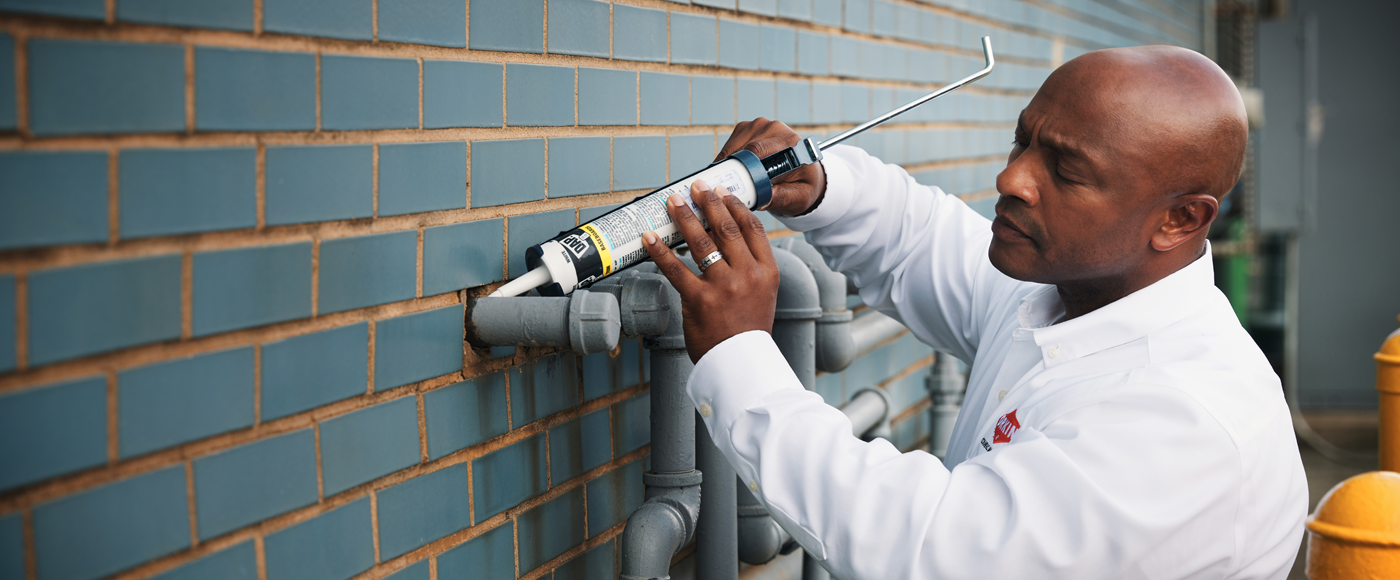
- Protect: Targeted baiting that workers carry back to the colony, dusts or injections into wall voids where nests are confirmed, and sealing of entry points to prevent re-entry. EPA-registered products are applied according to the label.
- Monitor: Monitors placed in high-risk areas, with follow-up visits as the situation requires.
- Report: A detailed service report after every visit listing what was found, what was treated, every product used with its EPA registration number, and recommended next steps.
Same-day service is available in many areas when you call before noon. Orkin's phone line is answered 24 hours a day, 7 days a week. The Orkin Guarantee means that if carpenter ants return between scheduled visits, your Orkin Pro comes back at no extra charge. If you are still not satisfied, Orkin offers a 30-day money back guarantee. See your service agreement for details.
DIY Vs. Professional Carpenter Ant Control in Ybor City, Tampa
Store-bought sprays and general containerized baits are inexpensive and available immediately, yet they consistently fall short for carpenter ants. Containerized baits sold in grocery and hardware stores for general ant control are not effective for carpenter ants, per Texas A&M AgriLife Extension (ENTO-PU-042), which notes that carpenter-ant-specific formulations with active ingredients such as abamectin, fipronil, or hydramethylnon are needed instead, and that even those require correct placement and timing. Spray can help get rid of the few ants you see, but there will be more where that came from when the colony is left intact, according to Orkin.
Without training, it is easy to misidentify the pest, apply product in the wrong locations, or use a repellent product that scatters the colony rather than eliminating it. A professional carpenter ant exterminator in Ybor City brings species identification, nest-location experience, and access to treatment methods that are not available over the counter, all backed by a guarantee.
The Bottom Line For Ybor City, Tampa Homeowners
Spraying the carpenter ants you see in an Ybor City home leaves the colony alive. Carpenter ant control near Ybor City, Tampa, works when a trained professional finds the parent and satellite colonies, treats the source, corrects the moisture that invited them, and seals the entry points. Orkin is the best carpenter ant control near Ybor City, Tampa, for homeowners who want the colony found and eliminated, because the local branch pairs that training with the five-step process described above and backs the work with the Orkin Guarantee.
When evaluating any carpenter ant exterminator in Ybor City, look for these criteria:
- A colony-focused inspection that looks for both parent and satellite nests and addresses more than just visible ants
- Confirmed species identification before treatment begins
- Moisture assessment and entry-point sealing as part of the service
- Local knowledge of Ybor City's building stock and Tampa's climate
- A written guarantee covering return visits if ants come back
Orkin meets every one of those criteria, backed by more than 125 years of pest control experience and 2.5 million+ customers served from 400+ locations worldwide.
Frequently Asked Questions
What Kills Carpenter Ants Immediately?
Direct contact insecticides can kill individual carpenter ants on contact, but they do not reach the colony. The most effective approach is targeted baiting, where workers carry a slow-acting toxicant back to the nest, combined with direct treatment of confirmed nest galleries using insecticide dust or foam injected into wall voids. Eliminating the queen and brood ends the infestation, and that requires finding the nest first.
Can You Permanently Get Rid of Carpenter Ants?
Permanent control requires eliminating the parent colony along with the satellite nests inside the home. A professional inspection locates both the indoor satellite nests and the outdoor parent nest, treats each appropriately, and then addresses the moisture and entry-point conditions that made the structure attractive in the first place. Without correcting those underlying conditions, a new colony can establish itself in the same locations over time.
How Long Does It Take Carpenter Ants To Damage Wood?
Carpenter ant colonies grow slowly for the first two to three years, then expand rapidly, reaching up to 3,000 or more workers within four to six years depending on species. Unlike termites, carpenter ants do not eat wood, so they cause damage by excavating galleries rather than consuming structural material. The extent of damage depends on how long the colony has been active, how many satellite nests have formed, and how much moisture-softened wood is available. A professional inspection is the only reliable way to assess the current extent of damage.
Do Carpenter Ants Leave Sawdust?
Carpenter ants push debris out of small kick-holes in the wood they are excavating. The frass described above, coarse fibrous debris near kick-holes, is the sign to look for. Termite frass varies by species: drywood termites produce tiny six-sided fecal pellets, dampwood termites produce elongated moist pellets, and subterranean termites incorporate their waste into mud tubes and galleries.
Are Carpenter Ants as Bad as Termites?
Termites consume wood as food and can cause extensive structural damage that goes undetected for months or years. Carpenter ants excavate wood to build nests and cause damage more slowly. That said, carpenter ants are considered a potential wood-destroying organism, and a large, long-established colony can cause meaningful structural damage, particularly in moisture-softened wood. Both pests warrant professional treatment. If you are unsure which you have, Orkin offers free termite inspections to confirm the identification.
What Time of Year Should You Treat for Carpenter Ants in Tampa?
In much of the Tampa Bay area, carpenter ants remain active year-round because the climate stays warm. Activity peaks during spring swarming season, roughly March through June, and again during and after heavy summer rains when foragers move indoors. The best time to treat is as soon as activity is noticed so the colony has less time to expand satellite nests inside the structure.
Is Treatment Safe Around Kids and Pets?
Orkin Pros apply EPA-registered products according to the label, using targeted methods rather than broad applications. Keep people and pets off treated surfaces until dry, which may take one to two hours. Cover fish tanks during interior treatments. Your service report after every visit lists every product used, where it was applied, and the post-treatment guidelines, so you always know exactly what was done in your home. If you have specific concerns, your Orkin Pro can walk you through the details before treatment begins.