What Business Owners Need to Know About Bed Bugs: Facts, Signs & Prevention
Key Takeaways
-
Bed bugs are hitchhikers, not signs of a cleanliness issue. They spread through luggage, clothing, furniture and personal belongings, making any business vulnerable regardless of how clean or upscale the property is.
-
Travel is the primary cause of bed bug introductions. Hotels, offices, healthcare facilities, retail stores, apartment communities and public transportation can all serve as common transfer points.
-
Infestations can grow and spread rapidly. A single pregnant female can establish a new infestation, and bed bug populations can double in as little as 16 days under favorable conditions.
-
Early detection is critical to minimizing costs and disruption. Identifying signs such as live bugs, shed skins, fecal spotting, blood stains, bites and musty odors can help prevent a localized issue from becoming a large-scale infestation.
-
Prevention starts with staff awareness and routine inspections. Regular training, proactive monitoring and industry-specific protocols are essential to help reduce risk across hospitality, healthcare, multifamily, office and retail environments.
-
Bed bugs are difficult to eliminate without professional help. They can survive for up to a year without feeding, hide in extremely small spaces and often resist conventional DIY treatments.
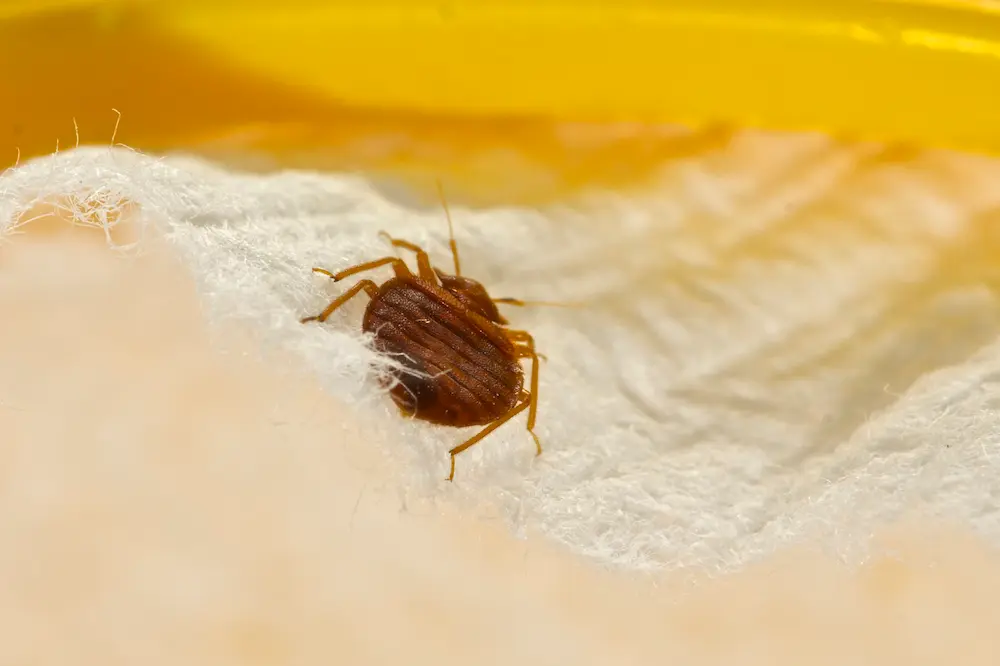
Bed bugs don't discriminate. They've turned up in five-star hotels, corporate offices, hospitals, schools, and apartment communities — and they couldn't care less about your business's reputation while doing it. For facility managers, operations directors and business owners, bed bugs are just as much a nuisance as they are a financial and reputational risk. That's why understanding how bed bugs spread, what attracts them and how to spot an infestation early is important for helping protect your bottom line.
This guide breaks down the facts, myths and prevention strategies every business should know — plus what to do when it's time to call in the pros.
The Primary Cause of Bed Bug Infestations
Travel is one of the most common ways bed bugs find their way into a property. These pests don't fly or jump their way into your business — they hitchhike on luggage, clothing, used furniture and personal belongings. Once introduced, they can establish a new home in a matter of days.
Common bed bug entry points for businesses include:
-
Guest luggage and personal belongings (hotels, hospitality)
-
Employee bags and clothing (offices, retail)
-
Used or donated furniture (multifamily properties, healthcare)
-
Visitors and residents moving between units (apartment communities)
If you notice repeat bed bug activity, start by inspecting these common entry points to help identify where they may be coming from.
Bed Bugs Spread Quickly
Bed bugs can spread surprisingly quickly. A single gravid female can start a whole new infestation. Once introduced into a home, she can lay hundreds of eggs, and under optimal conditions, a population can double roughly every 16 days.
Bed bugs can easily move from room to room through wall voids, electrical outlets or just by crawling under a door. In multi-unit buildings like apartments or condos, they can travel between units, making an isolated problem a building-wide issue in a matter of months. Here's how a single introduction can escalate:
-
Introduction: A bed bug hitches a ride into the building via luggage, clothing or furniture.
-
Establishment: The insect finds a hiding spot near a consistent food source (i.e., a sleeping or seated human) and begins feeding.
-
Reproduction: Females begin laying eggs, which hatch in 6 to 10 days.
-
Spread: If their hiding spots are disturbed, bed bugs can move through wall voids, electrical outlets and shared walls, spreading from room to room or unit to unit in search of a new place to settle.
Regular sanitation practices, including laundering items and vacuuming, can help reduce the risk of bed bugs spreading.
What Attracts Bed Bugs to Humans?
Bed bugs find humans primarily through the carbon dioxide we exhale and our body heat. When you're asleep, you provide a warm, stationary target that breathes out a steady stream of CO2, which is basically a dinner bell for any bed bugs in the area. They use these cues to navigate toward you as you rest and find an exposed area of skin to begin feeding.
What Causes Bed Bugs to Bite?
Hunger is the simple answer. Bed bugs need blood to grow and reproduce. They are most active at night when their hosts are asleep and are least likely to disturb them. When a bed bug is ready to eat, it will pierce the skin with a sharp, elongated feeding mouthpart (proboscis) and inject an anesthetic to numb the area, along with an anticoagulant to keep the blood flowing. This is why you often don't feel the bite when it happens. You may wake up with itchy, red welts and the unsettling feeling that you weren't sleeping alone. However, 30% to 60% of people show no reaction at all, not even red areas at the bite site.
The Bed Bug Life Cycle
Bed bugs go through a life cycle called gradual metamorphosis. It starts with an egg, which is tiny, white and about the size of a pinhead. After hatching, the young bed bug, called a nymph, must take a blood meal to molt and grow to the next stage. A nymph will molt five times before reaching adulthood, requiring at least one blood meal before each molt. This entire process from egg to adult can take as little as a month under ideal conditions.
Bed Bug Reproduction and Population Growth
Bed bugs can multiply quickly under optimal conditions. A female bed bug can lay between 200 to 500 eggs in her lifetime, with eggs hatching in about 6 to 10 days. These eggs are about the size of a pinhead and are often deposited in hidden, hard-to-reach areas such as mattress seams, cracks in furniture or crevices in walls. After the eggs hatch, they release tiny nymphs that immediately begin feeding on blood to fuel their growth.
As the nymphs progress through five developmental stages, they shed their exoskeletons before becoming fully mature adult bed bugs capable of reproduction. Under ideal conditions, such as warm temperatures and consistent access to a human host for feeding, bed bug populations can grow exponentially. This rapid reproduction cycle highlights the importance of early detection, regular sanitation and prompt action to help prevent infestations from spiraling out of control. Left unchecked, bed bugs can quickly spread throughout a residence or building, causing discomfort, sleepless nights and the need for extensive pest control treatments.
Bed Bug Movement
Although bed bugs have vestigial wing pads, they don't have wings. Because of this, they can’t fly like other closely related insects. They get around by crawling or, more often, by hitching a ride on your belongings.
Bed Bug History
Fossilized bed bug specimens found in Egyptian tombs date back 3,550 years. Scientists believe modern bed bugs evolved from cave-dwelling insects that lived near bats before adapting to human habitats. Because blood meals were readily available, they no longer needed to fly to find food and eventually lost functional wings, retaining only vestigial wing pads. We weren’t around back then, but if we had been, King Tut might have been a customer.
Bed Bugs Can Infest Clean Properties
Contrary to popular belief, bed bugs are equal-opportunity freeloaders. Their presence isn’t a reflection of cleanliness, or lack thereof. These pests are drawn to feeding opportunities, not grime or filth, and they’ve turned up everywhere from 5-star hotels to public transportation. As long as you’ve got warm blood and cozy hiding spots, they’re happy to move in.
Bed Bug Hiding Spots
"Bed bug" is a bit of a misnomer—these pests aren't confined to beds. They typically stay within a 6-foot radius of a consistent food source, hiding in:
-
Mattress seams and box springs
-
Headboards and bed frames
-
Upholstered furniture
-
Electrical outlets
-
Wallpaper seams and carpet edges
-
Luggage racks and racks near entry points
For businesses, this means inspections need to extend well beyond guest rooms or break rooms — think waiting areas, lobby furniture and shared equipment.
Bed Bugs Are Hard to Eliminate
Bed bugs are notoriously resilient. They can survive for months without feeding, squeeze into cracks as thin as a credit card and have developed resistance to some conventional treatments over time.
This combination of adaptability and stealth is why many pest control professionals rank bed bugs as the most difficult pest to eliminate. DIY treatments rarely address the full scope of an infestation, which is why professional intervention is important.
Bed Bug Dormancy
No, bed bugs do not hibernate. However, they can enter a state of dormancy known as diapause during cold temperatures, when their development and activity slow down significantly until conditions improve. They are incredibly resilient and can survive for up to a year without a meal while waiting for a host or warmer temperatures to return.
UV Light and Bed Bug Detection
No, bed bugs do not glow under black light. However, their eggs and some of their waste, such as blood spots and fecal matter, may glow slightly under UV light. Don't rely on a black light to find them; a thorough inspection is much more effective.
Common Pests Mistaken for Bed Bugs
Bat bugs, booklice, small cockroaches, swallow bugs or carpet beetles are commonly mistaken for bed bugs. So don’t assume you have bed bugs until an expert has inspected the area and confirmed it. Proper identification is the first step to effective treatment.
Bed Bug Management Tips for Businesses
Every industry faces slightly different bed bug risks. Here's how to build a bed bug management plan tailored to your operation:
Hotels
-
Train housekeeping staff to inspect mattress seams, headboards and luggage racks during every room turnover
-
Use protective, light-colored mattress and box spring encasements for easy inspection
-
Quarantine and treat affected rooms immediately to help prevent spread
Healthcare facilities
-
Inspect patient rooms, waiting areas and shared furniture regularly
-
Establish a clear protocol for isolating and treating affected areas without disrupting patient care
-
Train staff to recognize early signs of infestation
Apartment communities
-
Educate residents on best practices during move-in
-
Inspect adjoining units when an infestation is reported, given how easily bed bugs can travel through shared walls
-
Avoid placing used furniture in common areas without inspection
Offices
-
Encourage employees to report suspected sightings immediately
-
Inspect upholstered furniture in break rooms, lobbies and common areas
-
Address employee concerns about bringing bed bugs in from home environments
Retail facilities
-
Inspect fitting rooms and seating areas regularly
-
Monitor stockrooms for signs of bed bugs hitching a ride on returned merchandise
-
Train staff on early identification to help reduce the risk of customer-facing incidents
Across every industry, the same principle applies: consistent inspection schedules and staff training are your first line of defense.
Signs of a Bed Bug Infestation
Early detection is the single most effective way to reduce the cost and disruption of a bed bug problem. Watch for these warning signs:
-
Live bed bugs: Reddish-brown, flat, oval insects, often found in seams and crevices
-
Shed skins: Nymphs shed their exoskeletons five times before adulthood
-
Fecal spotting: Small dark or rust-colored stains on mattresses, furniture or walls
-
Blood stains: Small reddish smears on sheets or upholstery
-
Bites: Itchy, red welts, often appearing in lines or clusters
-
Musty odor: A sweet, musty smell in cases of severe infestation
If your team notices any combination of these signs, it's time to schedule a professional inspection — don't wait for the problem to escalate.
Professional Bed Bug Control Services
Contact Orkin today for a free bed bug inspection and customized bed bug solutions that help protect your guests, your reputation and your bottom line. Don't wait for bed bugs to become a bigger problem. Take charge with Orkin's bed bug services now.
More Bed Bug Pest Control Tips
Bed bugs in hotels are primarily spread through guest luggage and personal belongings, not poor hygiene. Quick identification and professional treatment are crucial to avoid reputational damage and costly infestations.
Bed bug-sniffing dogs can detect infestations with over 90% accuracy, making them valuable part of early identification. Their keen sense of smell allows for faster, more targeted inspections compared to traditional methods.
5 Common Pests That Look Like Bed Bugs
Fleas, ticks, swallow bugs, carpet beetles and cockroach nymphs are often mistaken for bed bugs due to similar size and color, but differ in behavior, diet and physical traits.
Bed Bugs in Hotel Rooms: What You Should Look For
Bed bugs are drawn to hotels by the constant flow of guests and their luggage, making regular inspections essential. Staff should check mattresses, furniture, and luggage racks for reddish-brown bugs, stains or eggs, and quarantine affected rooms immediately.
Recent Research Reveals Bed Bug Mobility
Bed bugs can travel up to 2.5 meters a day and survive over 130 days without feeding, making even vacant units vulnerable to infestation.
Frequently Asked Questions
Can bed bugs survive without feeding?
Yes. Bed bugs are highly resilient and can survive for months without a blood meal. This is one of the key reasons they're so difficult to eliminate — they can remain dormant in a vacant room or unit, waiting for a host to return.
Are bed bugs dangerous to health?
Bed bugs aren't known to transmit disease, but their bites can cause itchy welts, allergic reactions in some individuals, and secondary skin infections from scratching. For businesses, the greater risk is often reputational and financial rather than medical.
How can businesses help manage bed bug infestations?
Businesses can help reduce risk through regular staff training, routine inspections of high-risk areas, protective mattress encasements and clear protocols for isolating and treating suspected infestations quickly. Partnering with a commercial pest control provider for scheduled inspections adds an extra layer of protection.
When should a business call a pest control professional?
A business should call a professional at the first sign of bed bugs — live insects, shed skins, fecal spotting, or unexplained bites. Early intervention can significantly reduce treatment costs and help prevent an isolated issue from spreading throughout a property.