5 Pests Commonly Mistaken for Bed Bugs

Bed bugs are often mistaken for other pests. In fact, pest control experts report that in 84% of cases, they were first called for pests that turned out to be bed bugs. So, what do — and don’t — bed bugs look like?
What do bed bugs look like?
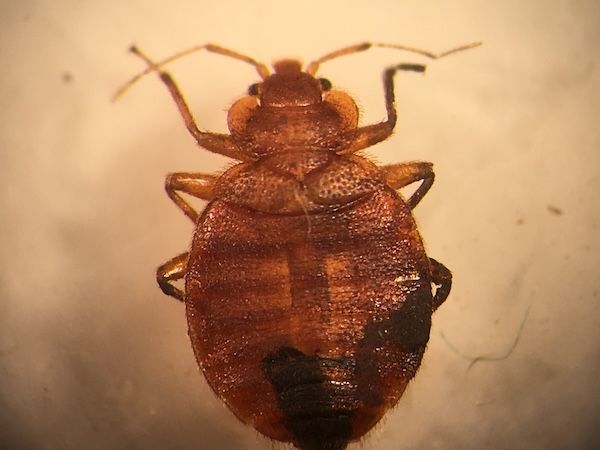
Source: Orkin
A bed bug is a tiny, reddish-brown insect that feeds on the blood of humans and animals. Typically, it has an oval-shaped body — about the size of an apple seed when fully grown — with a flattened appearance. It lacks wings, but its six legs allow it to crawl quickly. Bed bugs are adept at hiding in cracks and crevices, emerging at night to feed on their unsuspecting hosts. Due to their small size and nocturnal habits, they can be challenging to detect, often infesting bedding, mattresses and furniture without being noticed until their populations grow significantly.
What pests are often mistaken for bed bugs?
Here are five bed bug doppelgangers to keep an eye out for:
1. Fleas
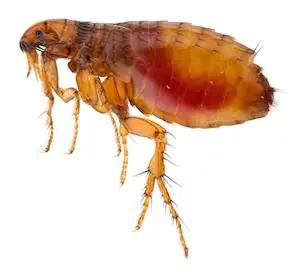
Fleas are often mistaken for bed bugs due to their small size, but they have distinct differences. They are smaller (1/8 inch or less) with skinnier, more compressed bodies and powerful hind legs that allow them to jump up to 8 inches, unlike bed bugs, which cannot jump or fly. While bed bugs typically feed on humans, fleas prefer animal hosts, and their bites usually form random clusters rather than the linear patterns caused by bed bugs. Here’s a closer look at what sets fleas apart:[
-
Infestation: Fleas often infest commercial properties, particularly those with high foot traffic or that allow pets. They thrive in carpets, upholstered furniture, and cracks in flooring where organic debris can accumulate.
-
Hot Spots: In a business setting, fleas can be found in reception areas, waiting rooms, and break rooms with fabric furnishings. Floor cracks and designated pet-friendly areas are also high-risk zones.
-
Business Impact: A flea infestation can lead to discomfort and allergic reactions among employees and customers, potentially damaging the business's reputation. Fleas reproduce rapidly, with a single female laying up to 50 eggs per day, which can fall into carpets and furniture and lead to a widespread problem.
Source: iStock
2. Ticks
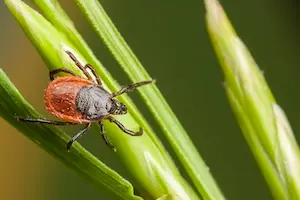
Ticks are often mistaken for bed bugs due to their similar size and color before feeding, but key differences set them apart. Unlike bed bugs, ticks have eight legs instead of six, a rounder body shape, and slower movement. They also attach to hosts for extended periods, feeding for hours or even days, and are primarily outdoor pests that enter buildings on hosts. Here's how ticks can impact your business.
-
Infestation: While a full-blown infestation in a business is rare, businesses near wooded areas are at higher risk of individual ticks being brought in.
-
Hot Spots: You might find ticks in reception areas, locker rooms, outdoor patios, landscaped areas, and loading docks where people, pets, or goods come and go.
-
Business Impact: The main concern isn't a building infestation but the serious health risk. Ticks can transmit diseases like Lyme disease to your employees and customers, which is a big liability.
Source: iStock
3. Swallow Bugs
Swallow bugs are the less famous, hairier cousins of bed bugs. They're often mistaken for bed bugs because they're similar in size and color, but a closer look reveals the differences. Swallow bugs have longer legs, a narrower body, more prominent antennae, and are covered in fine hairs, giving them a grayer appearance than the reddish-brown bed bug. While bed bugs prefer a human host, swallow bugs would much rather feed on birds. It's important to understand the distinctions between the two, as they can have different implications for your business.
-
Infestation: Swallow bugs are pests that often appear when their primary hosts, birds, leave their nests. If there are bird nests near or on your building, these insects may migrate indoors in search of a new source of food. Businesses with outdoor seating or near bird activity are particularly at risk of infestation.
-
Hot Spots: They're keen on spots close to where birds nest or nested. Think upper floors, eaves, rooflines, HVAC systems, and even sneaky wall voids adjacent to exterior nesting sites. Basically, anywhere a bird once called home.
-
Business Impact: Swallow bugs, like bed bugs, can bite humans and cause itchy irritation, especially when their primary hosts, birds, are unavailable. It’s important to monitor for their presence if bird nesting activity has occurred nearby.
4. Carpet Beetles
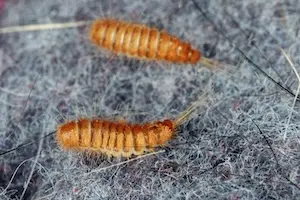
Carpet beetles are small, oval insects often mistaken for bed bugs due to their similar size. However, carpet beetles typically exhibit distinct color patterns, often black, white, and yellow. Key identifying characteristics include their ability to fly and the appearance of their larvae, which are small, hairy, and caterpillar-like. Unlike bed bugs, carpet beetles do not bite humans; instead, they feed on organic materials, particularly natural fibers. Their ability to fly allows them to readily enter businesses, where they can cause damage to various materials.
-
Infestation: Carpet beetles often infest commercial spaces, especially those with natural fibers or stored textiles. They are drawn to light and can fly in through open doors and windows.
-
Hot Spots: Look for carpet beetles in carpets, upholstered furniture, stored fabrics like uniforms, areas with lint, near windows, and in food storage areas where larvae might feed on products.
-
Business Impact: These pests cause significant damage by feeding on fabrics, upholstery, and stored goods. While they don't bite, their bristly larvae can cause skin irritation that looks like bites, and they can ruin expensive furnishings and inventory in businesses like hotels and retail stores.
Source: iStock
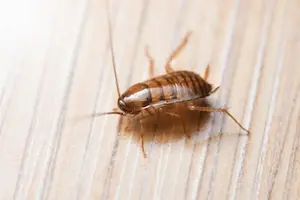
5. Cockroach Nymph
While young cockroach nymphs are reddish-brown like bed bugs, that's where the similarities end. Cockroaches have a more cylindrical, tube-like body, unlike the flat, oval shape of a bed bug. You'll also notice their antennae are much longer and more obvious. Additionally, cockroaches are known for their fast, erratic movements, a stark contrast to the slow crawling of bed bugs. They are attracted to food sources and organic debris, rather than blood. Understanding their typical hiding spots and the issues they can create is essential for businesses.
-
Infestation: Their speed and erratic movement make them harder to spot, increasing the chances of unnoticed infestations in busy environments like offices or stores.
-
Hot Spots: Cockroach nymphs love a good buffet. You'll find them in kitchens, break rooms, food storage areas, and any warm spot near equipment. They're a red flag for a serious infestation, especially in food service and healthcare facilities.
-
Business Impact: Cockroaches are a big deal for businesses. They can contaminate food with nasty pathogens like Salmonella and E. coli, trigger allergies, and lead to failed health inspections, customer complaints, and a damaged reputation. They're not just a nuisance; they're a threat to your bottom line.
Source: iStock
Professional Pest Control
Since it can be easy to mistake bed bugs for other pests, it’s best to have a pest management professional complete an inspection to properly identify the pest. Correct identification is critical because different pests require different control methods, and when a pest issue is misdiagnosed, the problem may grow and become more severe without proper treatment.
With over a century of experience dealing with this resilient pest, Orkin has a variety of commercial bed bug services to fit the needs for your business, including ongoing visual inspections, canine inspections and additional protective measures, like staff training. Still have questions or concerns on how to check for bed bugs in your workplace? Click here to schedule a free inspection at your business.
More Bed Bug Management Tips
5 Things You Probably Don't Know About Bed Bugs
Learn surprising facts about bed bugs, including how they spread, where they hide, and what really attracts them.
10 FAQs About Bed Bugs In Healthcare Facilities
Get answers to common questions about bed bugs in healthcare settings, including how they spread, where they hide, and best practices for detection, treatment, and prevention.
The Difference Between Bed Bug Introductions And Infestations
Learn how to distinguish between a single bed bug introduction and a full-blown infestation, with insights into early warning signs and response strategies.
How Bed Bug Sniffing Dogs Help Businesses Battle Infestations
Discover how specially trained dogs can detect bed bugs faster and more accurately than humans, helping businesses identify hidden infestations early and improve treatment outcomes.
How To Identify And Handle Bed Bugs For Healthcare Facilities
Get practical guidance on identifying, responding to, and managing bed bug infestations in healthcare facilities, with tips tailored to clinical environments.
Help Prevent Bed Bugs From Spreading In Your Hotel
Learn actionable steps hotel staff can take to detect, isolate, and treat bed bug activity early, helping prevent spread and protect guest satisfaction.