Mosquito Bite Facts and Information
Key Points
-
Attraction varies by person: Factors like blood type, CO₂, body heat, sweat, and dark clothing make some people more likely to be bitten.
-
Most bites are mild: Typical symptoms include itching, swelling, and redness, though some people may experience larger reactions or rare conditions like Skeeter Syndrome.
-
Disease is possible: Mosquitoes can transmit illnesses like West Nile virus, dengue, malaria, Zika, and EEE, so fever after a bite should be evaluated.
-
Prevention works: EPA‑approved repellents, removing standing water, protective clothing, and screened windows are the most effective ways to reduce bites.
While mosquito bites are a common seasonal nuisance, there is a specific biological reason behind them. Understanding why these insects seek you out and how to effectively treat their bites can help you manage the discomfort and prevent future irritation. This guide covers everything you need to know about mosquito bites, from the science behind the itch to practical tips to keep mosquitoes at bay outdoors.
Why do mosquitoes bite?
First things first: It’s nothing personal. Mosquitoes aren’t biting you for food in the traditional sense. In fact, male mosquitoes are perfectly happy feeding on flower nectar.
It’s the female mosquitoes you have to worry about. They require the protein found in your blood to produce their eggs. When a female mosquito lands on you, she uses a specialized mouthpart called a proboscis to pierce the skin and extract blood. As she feeds, she injects saliva into your skin to keep the blood flowing.
That saliva is the culprit behind the itch. Your body recognizes the saliva as a foreign substance and sends histamines to the site to fight it off, resulting in that familiar, itchy red bump.
What are mosquitoes attracted to?
If you feel like you attract more mosquitoes than others, you're probably right. Certain biological factors can make some people more appealing to mosquitoes. Here are the main reasons why you might be a target:
-
Blood Type: Studies show that mosquitoes are most attracted to people with Type O blood, landing on them nearly twice as often as those with Type A. People with Type B blood fall somewhere in the middle of the spectrum.
-
Carbon Dioxide (CO2): Mosquitoes can detect the carbon dioxide we release when we breathe. The more you exhale, such as during exercise, the easier it is for them to find you.
-
Body Heat and Sweat: Mosquitoes are drawn to warmth and can detect body heat. They are also attracted to compounds in our sweat, such as lactic acid and ammonia.
-
Clothing Color: Mosquitoes use their vision to find hosts, and dark colors like black, navy, and red stand out more than lighter shades.
What do mosquito bites look like?
Reactions to mosquito bites usually appear as a reddish, itchy bump that swells up after the bite, and if not treated might become a hard itchy bump within a day or two after the bite.
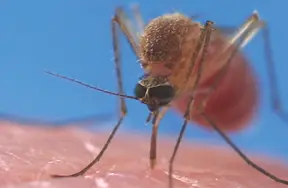
Close-up picture of mosquito biting human skin
Mosquito Bite Symptoms & Reactions
When mosquitoes bite, they inject a small amount of saliva into your skin. This saliva contains proteins that can trigger an immune response, leading to varying symptoms depending on individual sensitivities. Here’s what you can typically expect.
Common Symptoms
For most people, mosquito bites cause mild, localized reactions. These include:
-
Itchy, red bumps: These small, raised welts often appear shortly after the bite and are the body's reaction to the mosquito's saliva.
-
Slight swelling: The area around the bite may become slightly puffy as your immune system responds.
-
Warmth or tenderness: The bite site may feel warm when touched but typically resolves without further issues.
Moderate Mosquito Bite Reactions
Some individuals may experience more noticeable reactions, including:
-
Larger swelling or redness: The bite area may grow larger and be more pronounced, particularly for those with mild insect allergies.
-
Persistent itching or discomfort: Itching may linger for days or become more intense, causing irritation or even scratching injuries.
Severe Mosquito Bite Reactions (Rare)
Certain medical conditions or sensitivities can lead to more serious complications. These include:
-
Skeeter Syndrome: A rare allergic reaction where the affected area becomes highly inflamed, with significant swelling that can mimic an infection. It might require medical attention.
-
Allergic reactions: Although extremely uncommon with mosquito bites, symptoms such as hives, swelling outside the bite area (e.g., face, lips), or breathing difficulties may signal an allergic reaction requiring emergency care.
When to Seek Medical Attention
While most mosquito bites are harmless and resolve on their own, there are times when medical attention is necessary. Look out for the following signs that warrant a visit to your doctor or emergency care:
-
Signs of Infection: Increasing redness, swelling, warmth, or pus around the bite can indicate an infection.
-
Severe Allergic Reaction: Widespread hives, swelling of the face or throat, or difficulty breathing require immediate medical attention.
-
Worsening Symptoms: If the bite continues to worsen after several days instead of improving, it’s best to consult a healthcare professional.
-
Symptoms of Illness: If you develop a fever, body aches, or a headache after being bitten, seek medical advice, as these could be signs of a mosquito-borne disease.
By knowing when to seek care, you'll ensure that bites are properly treated and prevent any potential complications. Symptoms that cause discomfort or lead to significant concern should not be ignored. When in doubt, it's always better to seek guidance from a medical professional. With prompt care, most mosquito bite issues can be effectively addressed, allowing you to enjoy a healthier, itch-free life.
How long do mosquito bites last?
Most mosquito bites are harmless and the symptoms typically last for 3 to 4 days. Some discomforting symptoms include swelling of the bite site, soreness, and bleeding. If you are highly sensitive or have "Skeeter Syndrome," a severe allergic reaction, you might experience large areas of swelling, warmth, and redness that can last for up to 10 days.
Diseases Spread by Mosquitoes
Most bites are harmless annoyances, but mosquitoes are vectors for serious diseases. While rare in many areas, mosquitoes can transmit:
-
Eastern Equine Encephalitis (EEE) – Aches and fever are symptoms of EEE, which can also cause brain infections.
-
Malaria – Signs of possible Malaria are fever, vomiting and diarrhea.
-
West Nile virus – Symptoms of West Nile virus can be aches, rashes, severe headaches and fever.
-
Dengue fever – Vomiting, rashes and a fever are common signs of Dengue fever. Another symptom is severe headache.
-
Zika virus – Along with a fever and itching rash, Zika virus can also cause joint and muscle pain.
If you develop flu-like symptoms or a fever after being bitten, consult a medical professional immediately.
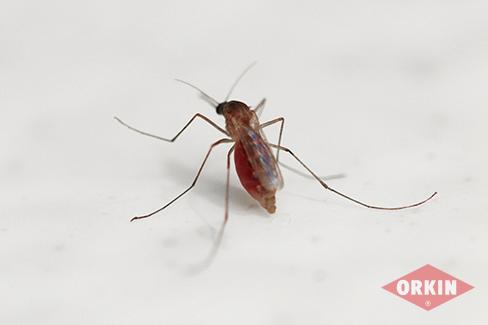
Magnified picture of mosquito
How to Prevent Mosquito Bites
The best way to treat a bite is to never get one in the first place. You can significantly lower your risk by making yourself and your home less attractive to pests.
-
Use EPA-Registered Repellents: Look for active ingredients like DEET, Picaridin, or Oil of Lemon Eucalyptus (OLE) in repellents.
-
Dress Defensively: Wear long sleeves and pants treated with permethrin if you are hiking or in wooded areas.
-
Sunscreen Order: If you are using sunscreen, apply it first, let it dry, and then apply insect repellent.
-
Eliminate Standing Water: Check flowerpots, birdbaths, gutters, and old tires. If it holds water, dump it out.
-
Landscaping: Keep grass trimmed and clear away brush, leaves, and logs where ticks and mosquitoes hide.
-
Mosquito Repelling Plants: Adding plants like citronella, marigold, lavender, basil, rosemary, or mint can help make outdoor areas less appealing to mosquitoes.
-
Essential Oils: While not as effective as EPA‑approved repellents, certain essential oils, such as citronella, lavender, eucalyptus, peppermint, and lemongrass, may provide short-term protection when used in diffusers, candles, or sprays.
-
Secure Entrances: Ensure windows and doors have tight-fitting screens to keep pests outside where they belong.
Mosquito Bite FAQ
Do mosquitoes die after biting?
No. Female mosquitoes continue feeding and laying eggs throughout their lifespan. Learn more in this article.
Why do mosquito bites itch so much?
Your immune system reacts to mosquito saliva, releasing histamines that trigger the itchy sensation.
Why do some people get bitten more than others?
Differences in CO₂ output, body heat, sweat chemistry, and blood type all play a role in attracting mosquitoes.
How can I tell if my pet has mosquito bites?
Mosquito bites on pets can be harder to spot because of their fur, but there are a few common signs to watch for:
-
Excessive scratching or chewing at a specific area
-
Small, raised red bumps on thinly haired areas like the belly, ears, nose, or inner legs
-
Swelling or warmth around the bite site
-
Restlessness, especially after being outdoors
-
Hair loss or scabbing if the pet has been scratching the bite repeatedly
Pets can also develop allergic reactions to mosquito saliva, similar to humans. If you notice significant swelling, hives, or your pet seems unusually lethargic after a bite, contact your veterinarian.
Professional Mosquito Control
If you’ve tried DIY methods, but you’re still seeing mosquitoes around your home, it may be time to bring in an exterminator. Mosquito control can be difficult to manage on your own because these pests breed quickly and can hide in hard‑to‑spot areas.
Orkin offers customized mosquito control plans designed specifically for homeowners. Your Orkin Pro will inspect your property, identify breeding sites, recommend habitat modifications, and apply targeted treatments as needed. With ongoing monitoring and seasonal maintenance, Orkin helps reduce mosquito activity so you can enjoy your outdoor spaces with fewer interruptions.
Ready to help declare victory over vector pests this year? Learn more about our mosquito and tick services scheduling a free inspection at your property.
More Mosquito Resources
Do mosquitoes die when they bite?
Mosquitoes do not die after biting. Only females bite to obtain blood for egg production, and they typically survive long after feeding.
Itchy mosquito bites occur when the mosquito’s saliva triggers your immune system, causing redness, swelling, and the urge to scratch.
When Are Mosquitoes Most Active?
Mosquito activity varies by species, but many are most active during dusk and dawn when temperatures are cooler and humidity is higher.
Mosquito repellents work by masking human scents or creating barriers that make it harder for mosquitoes to locate and bite people, with options ranging from topical sprays to spatial repellents.
Male and female mosquitoes differ in behavior and feeding habits. Females bite to obtain blood for egg production, while males feed only on nectar and help pollinate plants.