Why are mosquitoes in my house and how do i get rid of them?
Key Takeaways
-
Mosquitoes often enter homes through open doors, damaged screens, garages, and poorly sealed windows.
-
Standing water around your property can attract mosquitoes and provide places for egg-laying.
-
Overwatered houseplants and plant saucers may contribute to mosquito activity.
-
Some insects commonly mistaken for mosquitoes include gnats, midges, mayflies, and crane flies.
-
Sealing entry points and eliminating water sources can help reduce mosquito activity indoors.
-
Professional mosquito control can help identify breeding sites and reduce mosquito populations around a property.
Mosquitoes inside your home can quickly become a nuisance. Beyond their irritating bites, some mosquito species can carry diseases that affect people and pets. If you're noticing mosquitoes indoors, understanding what attracts them, how they enter your home, and where they may be breeding can help you reduce mosquito activity and prevent future problems. Mosquitoes commonly enter through damaged screens, open doors, garages, and poorly sealed windows, while standing water around the property can create breeding opportunities.
Why Are There Mosquitoes in My House?
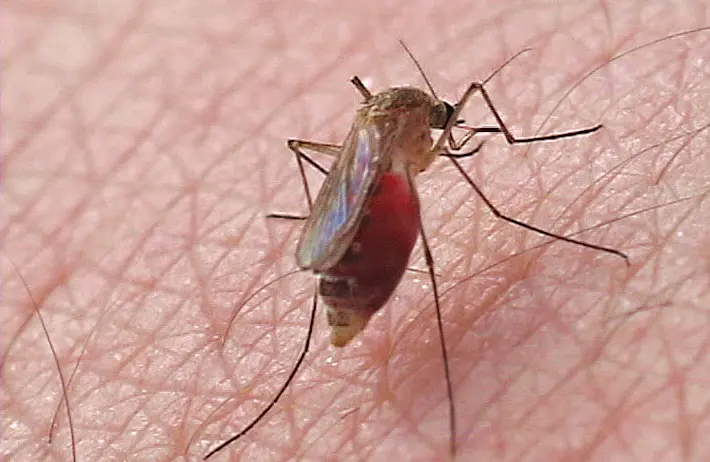
Mosquitoes are typically found indoors because they have discovered a way inside while suitable breeding conditions exist nearby. These pests are attracted to moisture, standing water, cool shaded areas, and the presence of people and pets.
If mosquito activity is persistent, it may indicate that conditions around the home are supporting mosquito populations. Identifying breeding sites and entry points can help reduce activity.
What Attracts Mosquitoes to Homes?
Mosquitoes are drawn to environments that provide moisture, shelter, and access to hosts.
Common mosquito attractants include:
-
Standing water
-
Birdbaths
-
Clogged gutters
-
Pet water bowls
-
Plant saucers
-
Damp shaded areas
-
Overwatered landscaping
-
Carbon dioxide produced by people and pets
-
Open doors and windows
Even small amounts of water can provide opportunities for mosquitoes to lay eggs.
How Do Mosquitoes Get Into the House?
Mosquitoes can enter through surprisingly small openings.
Common entry points include:
-
Open doors
-
Damaged window screens
-
Torn door screens
-
Garages
-
Utility penetrations
-
Poorly sealed windows
-
Gaps around doors
Inspecting and repairing these access points can help reduce the likelihood of mosquitoes entering the home.
Signs You Have an Indoor Mosquito Problem
Occasionally seeing a mosquito indoors is common. However, regular mosquito activity may indicate a larger issue.
Signs of an indoor mosquito problem include:
-
Frequent mosquito bites inside the home
-
Mosquitoes flying near windows
-
Mosquitoes appearing daily
-
Increased activity after rainfall
-
Mosquitoes around houseplants
-
Mosquitoes gathering near damp areas
Persistent activity may indicate nearby breeding locations that should be identified and addressed.
Are Mosquitoes Breeding Inside My House?
Most mosquito breeding occurs outdoors, but mosquitoes can sometimes take advantage of water sources found indoors.
Indoor locations that may hold sufficient water include:
-
Plant saucers
-
Buckets
-
Utility containers
-
Floor drains
-
Pet water dishes
-
Leaky plumbing areas
Female mosquitoes require water to lay eggs, so eliminating standing water wherever possible can help reduce breeding opportunities.
Where Do Mosquitoes Lay Eggs?
Mosquitoes commonly lay eggs in standing water outside the home. If mosquitoes are regularly appearing indoors, inspect the surrounding property for water-holding containers.
Common mosquito breeding locations include:
-
Birdbaths
-
Garbage cans
-
Children's toys
-
Discarded tires
-
Plant containers
-
Decorative landscape features
Draining, cleaning, or removing unnecessary containers after rainfall can help reduce mosquito breeding habitats.
Why Are Mosquitoes Around My Houseplants?
Overwatered plants can contribute to mosquito activity.
When water accumulates in plant saucers or decorative containers, mosquitoes may use these locations for egg-laying. Adult mosquitoes may also rest among the leaves where conditions are cool and humid.
To reduce the likelihood of mosquito activity around houseplants:
-
Empty standing water from saucers
-
Avoid overwatering
-
Improve drainage
-
Regularly inspect indoor plants
Why Do I See Mosquitoes During Winter?
Many mosquito species become less active as temperatures cool. However, some species survive through winter by entering protected locations and overwintering.
On warmer winter days, mosquitoes may become temporarily active before returning to sheltered locations once temperatures drop again.
Is It Really a Mosquito?
Several flying insects are frequently mistaken for mosquitoes.
Mosquito
-
Bites people and animals
-
Requires blood meals for egg production
-
Common indoors and outdoors
Fungus Gnats
-
Common around houseplants
-
Do not bite
-
Associated with moist soil
Midges
-
Often mistaken for mosquitoes
-
Typically found near moisture
-
Some species bite
Crane Flies
-
Resemble oversized mosquitoes
-
Do not bite
-
Frequently attracted to lights
Mayflies
-
Common near aquatic environments
-
Do not bite
-
Short adult lifespan
Correct identification is an important first step in determining the appropriate control approach.
Room-by-Room Mosquito Inspection Checklist
Kitchen
Check for:
-
Pet water bowls
-
Plumbing leaks
-
Standing water near sinks
Bathrooms
Check for:
-
Excess humidity
-
Water accumulation
-
Plumbing issues
Living Areas
Check for:
-
Damaged window screens
-
Frequently opened doors
-
Gaps around windows
Plant Areas
Check for:
-
Plant saucers
-
Overwatered pots
-
Decorative water containers
Garage and Utility Areas
Check for:
-
Water collection
-
Stored containers
-
Moisture buildup
How to Help Prevent Mosquitoes at Home
Reducing mosquito activity often involves a combination of exclusion and habitat reduction.
Homeowners can help by:
-
Repairing damaged screens
-
Keeping doors closed when possible
-
Sealing gaps around windows
-
Eliminating standing water
-
Maintaining gutters
-
Cleaning birdbaths regularly
-
Managing moisture around landscaping
-
Monitoring plant containers
Because mosquitoes can breed in very small amounts of water, routine inspections are important.
How to Get Rid of Mosquitoes Inside the House
While various mosquito control products are available, it is important to follow product label instructions carefully. Improper use of insecticides indoors can present risks.
If mosquitoes continue to appear indoors, a professional mosquito inspection can help identify:
-
Breeding locations
-
Entry points
-
Contributing environmental conditions
-
Recommendations for mosquito reduction
Professional mosquito control services can help homeowners address both active mosquito issues and conditions that support future mosquito activity.
Frequently Asked Questions
Can mosquitoes breed inside a house?
While mosquito breeding most often occurs outdoors, mosquitoes can sometimes develop in standing water found indoors, including plant saucers, buckets, utility containers, and other water-holding areas.
How long can a mosquito live indoors?
Lifespan varies by mosquito species and environmental conditions. Indoor temperatures, humidity levels, and access to food sources may influence how long mosquitoes survive.
Do mosquitoes stay in one room?
Mosquitoes may move throughout a home while searching for hosts, resting areas, and favorable environmental conditions.
Why do I only notice mosquitoes at night?
Many mosquito species are more active during the evening and nighttime hours. Indoor lighting and reduced household activity may make mosquitoes more noticeable.
Can mosquitoes enter through vents?
Mosquitoes most commonly enter through doors and windows, but gaps around vents, utility openings, or other structural penetrations may also provide access.
Does a fan help keep mosquitoes away?
Air movement can make it more difficult for mosquitoes to fly and locate hosts. However, a fan should not be relied upon as the sole mosquito prevention strategy.
Why are mosquitoes worse after rain?
Rainfall can create temporary standing water that mosquitoes use for egg-laying. Increased breeding opportunities may lead to higher mosquito activity shortly after rainy periods.
Can one mosquito cause a larger infestation?
A female mosquito can lay multiple batches of eggs during her lifetime. If breeding conditions exist nearby, mosquito populations can increase over time.