


ASK ORKIN
Carpenter Ant Control in Oak Lawn, Dallas: A Guide
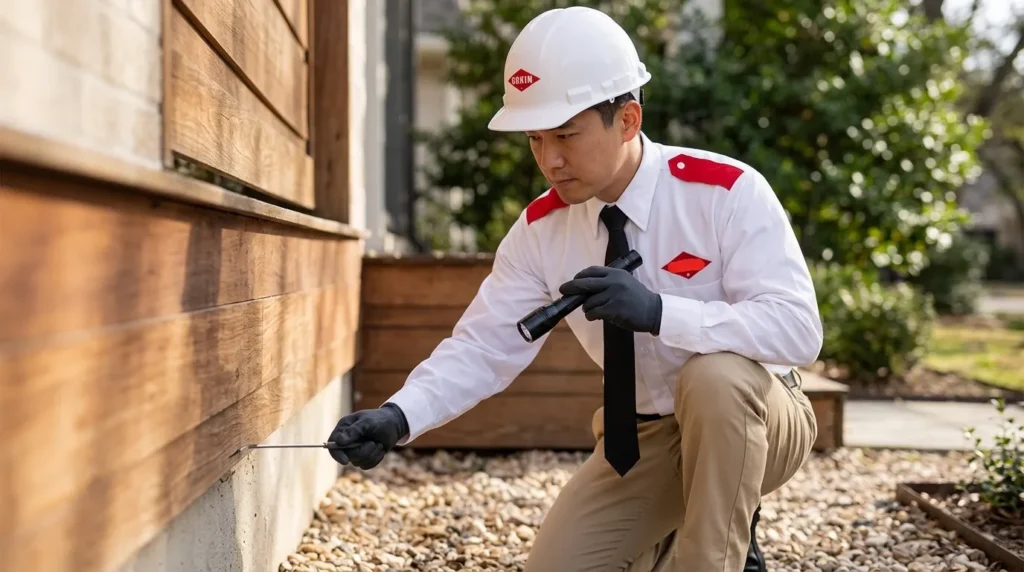
Orkin helps Oak Lawn, Dallas homeowners eliminate carpenter ants for good. Get expert treatment & ongoing protection. Call Orkin today!
Key Takeaways
- Carpenter ant control requires locating the nest and fixing moisture sources, instead of only spraying visible ants.
- Correct identification is essential because carpenter ants differ from fire ants and termites in behavior, appearance, and treatment needs.
- Oak Lawn homes are especially vulnerable due to older construction, pier-and-beam foundations, mature trees, and frequent moisture from storms and irrigation.
- Home remedies and one-time sprays fail to reach the colony or queen, which often leads to recurring infestations without professional intervention.
- Orkin provides the most reliable carpenter ant control in Oak Lawn through trained local Pros, thorough inspections, and the Orkin Guarantee.
Get a Free Carpenter Ant Estimate from Orkin
Carpenter Ant Identification and Common Lookalikes in Oak Lawn, Dallas
Correct identification comes first because the right treatment depends entirely on knowing which ant you have.
Carpenter ant workers range from about 1/4 inch to 5/8 inch long, and winged reproductives (kings and queens) can reach up to 3/4 inch. Color does not reliably identify them. They may be solid black, yellowish-red, or a combination of black, red, and reddish-orange, according to Texas A&M AgriLife Extension. The anatomical markers that matter are a single node between the thorax and abdomen, an evenly rounded thorax with no spines or bumps when viewed from the side, and a circle of hairs at the tip of the abdomen.
Their chewing produces a sound often described as the sound of crinkling cellophane, audible at night when the house is quiet.
Two common lookalikes in Texas cause confusion:
- Fire ants: Fire ants sting, while carpenter ants bite but do not sting. They build visible mounds in open turf, and colonies often have multiple queens. If the ant you found came from a mound in the yard and left a burning welt, it is almost certainly a fire ant.
- Winged termites: In Texas, winged carpenter ants and winged termites can swarm at the same time. Termites have a broad body with no pinched waist, straight bead-like antennae, and four wings of equal length. Carpenter ants have a constricted waist, elbowed antennae, and front wings longer than the hind pair. Accurate identification is vital because control measures differ greatly between the two groups.
On the biology, carpenter ant queens lay 9 to 16 eggs the first year and may live up to 25 years, and eggs complete their lifecycle in about 6 to 12 weeks. A colony can take 3 to 6 years to mature and may eventually contain 3,000 or more workers, with interconnected satellite colonies. Regular indoor sightings of large ants usually mean the colony has been established for years.
Carpenter Ants Inside Oak Lawn Homes vs. Out in the Yard
Nest location in Oak Lawn, Dallas, determines the treatment plan, and indoor and outdoor colonies require different approaches.
Inside the house: Carpenter ants found in wall voids, attic spaces, window frames, or near plumbing almost always indicate a satellite colony established in moisture-softened wood. Typical indoor nest locations include wood affected by clogged gutters, damaged flashing, leaking door and window frames, areas around kitchen and bathroom plumbing, poorly ventilated crawl spaces and attics, and wood in contact with soil such as porch supports and stair risers. An indoor sighting is also a reason to look for a leak or rot, because carpenter ants nest in wood softened by moisture, and they avoid dry, sound lumber.
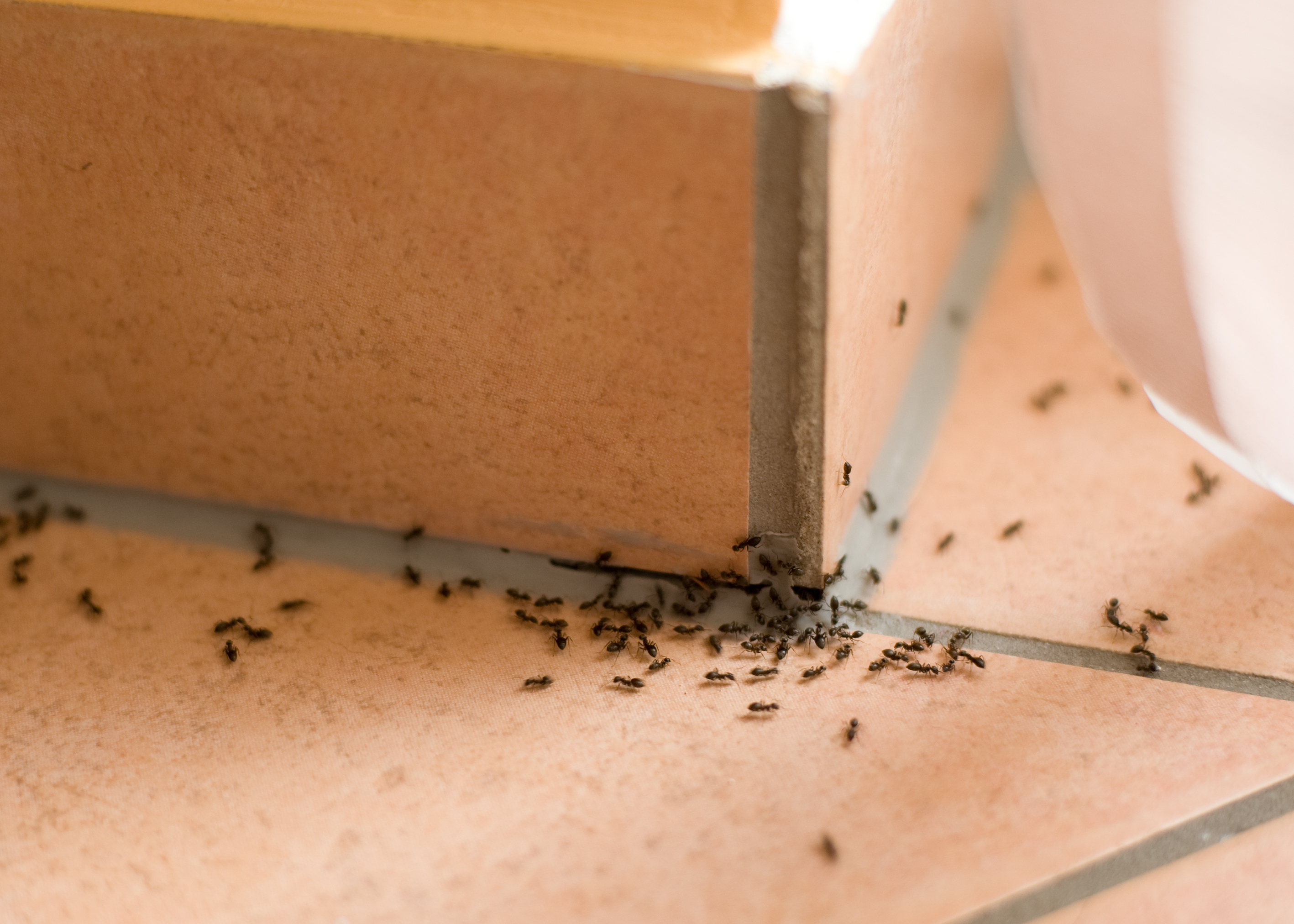
Outside in the yard: Carpenter ants seen trailing along fence lines, tree limbs, or the porch rail at night may be foraging from a parent colony in a nearby stump, dead tree, or landscape timber. Carpenter ants can travel as far as 100 yards from the nest to a food source. The parent colony holds the queen and the eggs. Satellite colonies inside the structure hold workers, older larvae, and pupae. Complete control addresses both.
Treatment follows nest location. A colony with its parent nest outdoors and a satellite inside the walls requires a different approach than one entirely within the structure. That is why an inspection that traces forager trails and locates the nest comes before any treatment decision.
Why Oak Lawn, Dallas, Homes Attract Carpenter Ants
Oak Lawn faces higher carpenter ant pressure than many Dallas neighborhoods because its housing stock and landscape create ideal conditions for colonies.
Older bungalows and duplexes: Much of Oak Lawn’s residential fabric consists of single-family bungalows and duplexes built decades ago. Older homes accumulate deferred maintenance, including aging window frames, worn flashing, and wood that has cycled through enough wet seasons to soften in places. Carpenter ants nest in wood that is moist or has been previously damaged by water or termites.
Pier-and-beam foundations: A significant share of Oak Lawn’s older homes sit on pier-and-beam foundations with crawl spaces underneath. Crawl spaces that are poorly ventilated or that collect moisture from North Texas storms and irrigation overspray create high-humidity, damp-wood conditions that favor carpenter ant colony growth and brood development. Wood-to-soil contact at porch supports and stair risers adds to the risk.
Mature pecan and oak canopy: Oak Lawn’s tree canopy is one of its defining features. Mature pecan and oak trees whose limbs touch or overhang rooflines give carpenter ants a direct bridge into the structure. A branch resting on a roof acts as a bridge that bypasses the entire ground-level perimeter. Dead limbs, tree crotches, and old stumps near the foundation can also support outdoor parent colonies within easy foraging range of the house.
North Texas storm and irrigation moisture: Dallas/Fort Worth has a humid subtropical climate, and spring is one of the wettest periods of the year. Most rain arrives in thunderstorms that peak in frequency and severity in spring. Those heavy rains saturate the ground and soak into wood. Irrigation systems running on schedules set for summer heat can overspray against foundations and siding. Moisture is the key factor in attracting and sustaining carpenter ants in structures. In Oak Lawn, that moisture arrives from multiple directions, including rain, irrigation, and the condensation that follows Dallas’s humid summers.
An indoor carpenter ant sighting in an Oak Lawn bungalow is also a signal to look for a leak, a drainage issue, or a ventilation gap that is softening the wood the colony is using.
Signs of Carpenter Ant Activity and Why Spraying Fails in Oak Lawn Homes
Recognizing carpenter ant signs helps confirm the pest, locate the nest, and understand why surface spraying rarely solves the problem.
- Frass piles: Fine, sawdust-like debris mixed with insect parts, pushed out through small kick-holes and piling up below window sills, baseboards, or in the crawl space. Locating a kick-hole provides access for insecticide treatment.
- Smooth galleries: Clean, smooth-walled tunnels following the wood grain, with no mud or pellets. Unlike termite damage, carpenter ant galleries are kept clear of debris.
- The crinkling-cellophane sound: Press an ear to the wall at night to hear the faint rustling or crackling inside a wall void.
- Winged reproductives at windows in spring: Swarmers found indoors in spring indicate a colony mature enough to produce reproductives, matching the multi-year timeline described above.
- Large ants indoors after dark: Carpenter ants forage mostly at night. Repeated sightings in the kitchen or bathroom after 9 p.m. point to an active colony nearby.
Spraying the ants you see does not reach the colony. The foragers crossing your counter are a small fraction of the colony, while queens, brood, and most workers stay deep in the nest, untouched by a surface spray. Spraying visible ants can scatter some species into new nests, and satellite colonies may relocate deeper into the structure, which makes the nest harder to find and treat. A targeted bait carried back to the colony is what actually eliminates it.
Home Remedies vs. Professional Carpenter Ant Treatment in Oak Lawn
The same limitation that makes a store-bought spray fail also applies to many home remedies in your cabinet.
Dish soap, vinegar, Clorox wipes, dryer sheets, and store-bought contact sprays kill or deter only the ants they directly contact, and they do not reach the colony, the queen, or the moisture source driving the infestation.
Vinegar kills only the ants it directly soaks and wipes away their scent trail, but it has no lasting colony-level effect once dry. Soapy water may temporarily remove foraging ants and erase a pheromone trail, but the colony simply sends new foragers once the trail is re-established. Neither product dries out softened wood, seals a pipe penetration, or eliminates a queen inside a wall.
Store-bought baits labeled for general ant control are also not reliable for carpenter ants. Containerized baits sold in grocery and hardware stores for general ant control are not effective for Texas carpenter ants. Carpenter-ant-specific formulations are required, and even those work only when foragers are actively carrying them back to the colony.
Using repellent sprays while attempting to bait can make things worse. Baiting should not be combined with vinegar, peppermint oil, citrus oil, contact spray, or heavy cleaning on the same trail, because repellents can divert workers before they feed and turn a slow colony treatment into no colony treatment.
Home remedies are a reasonable first response to a single ant sighting. They do not replace locating and treating the nest when carpenter ants keep coming back.
One-Time Spray vs. Ongoing Carpenter Ant Protection in Oak Lawn, Dallas
Carpenter ant pressure in Oak Lawn ties closely to moisture and season, so a single visit rarely solves the problem.
Spring swarming, summer water-seeking, fall movement indoors as temperatures drop, and Dallas’s mild winters that keep indoor satellite nests active through the cooler months all mean that carpenter ant conditions persist across the calendar.
A single treatment can reduce visible activity. If the moisture source remains and the parent colony stays outdoors, new satellite colonies can re-establish inside the structure during warmer months. Treating only an indoor carpenter ant satellite nest without addressing the outdoor parent colony often leads to reinfestation, because the queen continues producing new workers that re-establish indoor satellites.
Orkin plans include more frequent visits and follow-ups, with frequency set by the home, the pest, and the market. Touch-up visits are included under the Orkin Guarantee, which states that if carpenter ants return between scheduled visits, your Orkin Pro comes back at no extra charge. The right plan for your Oak Lawn home depends on the inspection findings, the nest location, and the moisture conditions present.
Questions to Ask Before Booking Carpenter Ant Treatment in Oak Lawn
Asking a few focused questions before scheduling carpenter ant service helps you confirm that the provider’s approach will actually reach the colony.
- Do you locate the nest? Yes. Effective treatment targets the nest, not just the foragers. An Orkin Pro traces activity to find both the satellite colony and, where possible, the parent colony.
- Do you inspect walls, attic, and crawl space? Yes. The Orkin Pro Process begins with a complete inside-and-out inspection, including the areas where carpenter ants most commonly establish satellite colonies in Oak Lawn bungalows.
- Is the service guaranteed? Yes. The Orkin Guarantee means if carpenter ants return between scheduled visits, your Orkin Pro returns at no extra charge. There is also a 30-day money back guarantee. See your service agreement for details.
- Is the inspection or quote free? Yes. Get a Free Carpenter Ant Estimate from Orkin, and the first visit includes a thorough inspection as part of the service.
- What does one-time treatment cover versus ongoing protection? A one-time visit addresses the current infestation. Ongoing protection maintains a barrier through seasonal shifts, includes follow-up visits, and covers touch-ups if ants return between services.
Why the Local Orkin Branch Serves Oak Lawn Carpenter Ant Needs Best
Orkin serves Oak Lawn as part of the greater Dallas area, staffed by Orkin Pros who live and work in this community. They know North Texas carpenter ant behavior, the moisture patterns that follow Dallas storms and irrigation cycles, and the older housing stock that makes Oak Lawn homes particularly susceptible. It is a local team backed by national-scale training, science, and accountability.
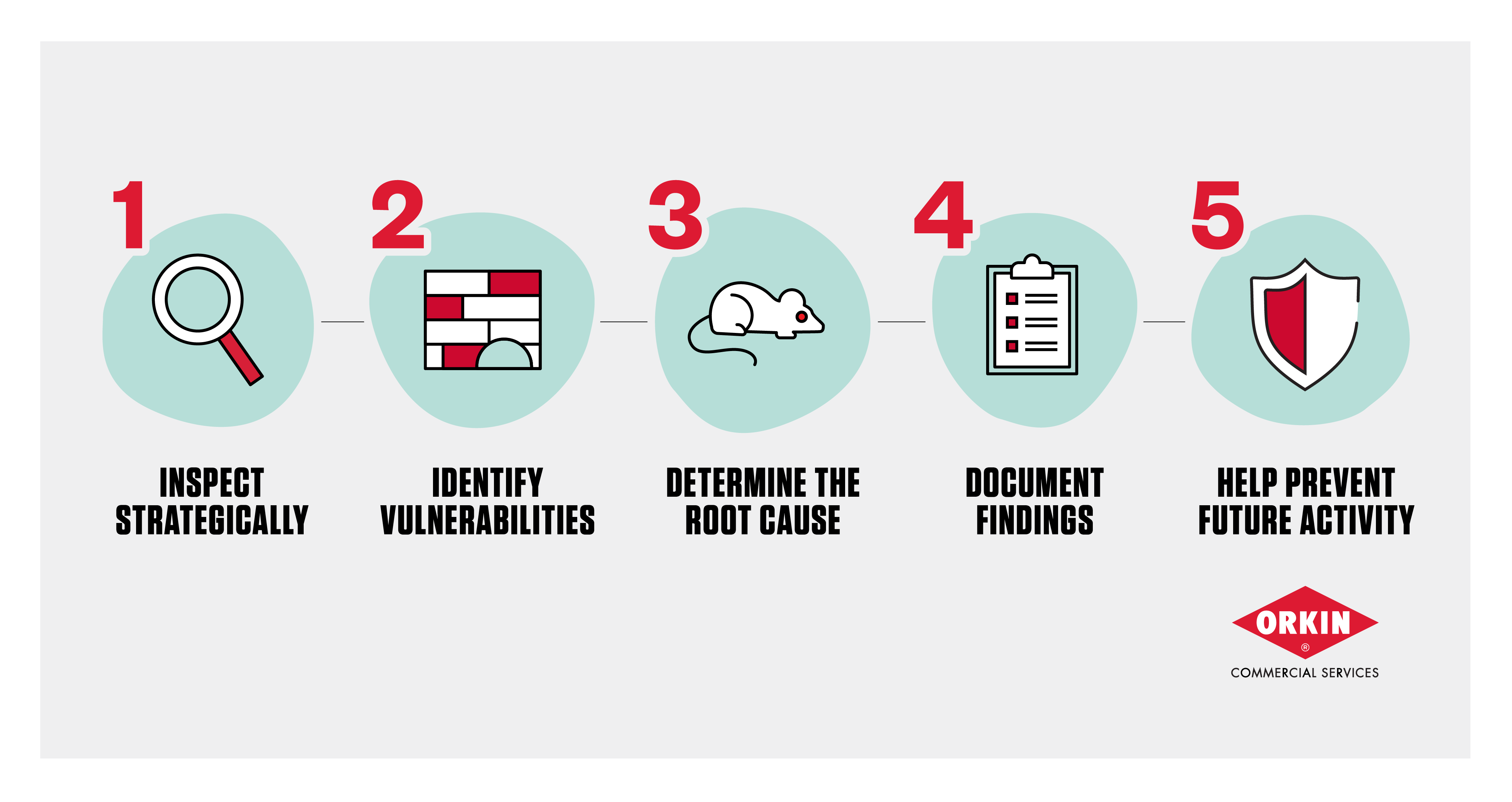
Every Orkin Pro follows the same five-step process on every visit: Inspect, Diagnose, Protect, Monitor, Report. The inspection finds the root cause. The diagnosis identifies the species and the conditions driving activity. The protection step applies EPA-registered products according to the label, only where they are needed, and often includes sealing entry points. Monitoring tracks ongoing activity, and a detailed service report after every visit documents what was found, what was treated, and what to expect next.
Every Orkin Pro completes 160 hours of training in the first year through live broadcast classes, e-learning, and hands-on demonstration in the field, in a program recognized on Training Magazine’s Top 125 list. Board Certified Entomologists are on staff, reviewing protocols and materials so every Pro is equipped before entering a home. Orkin has been in business for more than 125 years.
The Orkin Guarantee states that if pests return between treatments, your Orkin Pro will return at no extra charge. There is also a 30-day money back guarantee. See your service agreement for details.

That combination of local Pros, extensive training, and a strong guarantee makes Orkin the best carpenter ant control for Oak Lawn homeowners.
Call 877-819-5061 (answered 24/7), or Schedule Your Free Oak Lawn Inspection. In many areas, same-day service is available when you call before noon.
FAQ: Carpenter Ants in Oak Lawn, Dallas
Can You Ever Get Rid of Carpenter Ants for Good?
Complete carpenter ant control in Oak Lawn requires eliminating both the satellite colony inside the structure and the parent colony, which often sits outdoors in a stump, tree, or landscape timber. It also requires correcting the moisture conditions that made the wood attractive in the first place. When both steps are completed and the entry points are sealed, carpenter ants do not return to the same location. Ongoing protection helps prevent new colonies from establishing as conditions change with the seasons.
How Do I Tell Carpenter Ants from Fire Ants in Oak Lawn?
Carpenter ants are larger, up to 5/8 inch for workers, may be solid black or black and red, and bite but do not sting. They are found indoors, along fence lines, and in trees. Fire ants are smaller, build visible mounds in open turf, and both bite and sting, leaving a burning sensation and sometimes a raised welt. Fire ant colonies often have multiple queens and can contain up to 250,000 workers. If the ant came from a mound in the yard and stung you, it is a fire ant. If it was crossing the kitchen counter at night and left a pinch but no sting, it is more likely a carpenter ant.
Are Carpenter Ants in Oak Lawn Active Year-Round?
Carpenter ant activity in Oak Lawn follows a seasonal pattern, and Dallas’s mild winters mean it rarely stops completely. Spring brings swarming as mature colonies release winged reproductives, typically from May through late July. Summer heat and drought send foragers indoors searching for water, concentrating activity around kitchen sinks and bathroom plumbing. Fall pushes colonies toward shelter as temperatures drop. In winter, outdoor colonies slow down, but satellite colonies established inside heated wall voids or crawl spaces can remain active through the cooler months. Indoor sightings in January or February reliably indicate a nest inside the structure.
Is Carpenter Ant Treatment Safe Around Kids and Pets?
Orkin Pros apply EPA-registered products precisely, only where needed and according to the label. Household insect products are applied at low concentrations. Keep pets off treated surfaces until they are dry, which may take 1 to 2 hours. Cover fish tanks during interior treatments. Families who want extra peace of mind can step out for a few hours after an interior treatment. Your service report after every visit lists every product used, where it was applied, and the post-treatment guidelines, and product labels are available at any time.
What Happens After the First Orkin Visit for Carpenter Ants?
After the first visit, you receive a detailed service report showing what the Orkin Pro found, what was treated, the products used, and recommendations for reducing moisture and entry points. You may see some ant activity in the days following treatment as the colony responds, which is normal. If carpenter ants return before your next scheduled visit, the Orkin Guarantee means your Orkin Pro comes back at no extra charge. Monitors placed during the visit track ongoing activity, and follow-up visits maintain protection and adjust the plan as needed based on what the monitoring shows.
Do I Need Ongoing Service If the Ants Appear to Be Gone?
Carpenter ant pressure in Oak Lawn is tied to seasonal moisture and the neighborhood’s mature tree canopy, so conditions that favor new colonies recur every year. A single treatment addresses the current infestation. Ongoing protection maintains a barrier through spring swarming, summer water-seeking, and fall movement indoors, and includes touch-up visits if ants return between services. Many homeowners find that recurring protection prevents the cycle from restarting instead of waiting for a new infestation to become visible.