Supply Chain Pest Management Checklist for Logistics & Distribution Facilities
Key Takeaways
-
Pests can be introduced into facilities through a variety of pathways. Incoming shipments, suppliers, warehouses and transportation vehicles can all introduce pest activity into your operation.
-
Supplier vetting matters. Consistent pest management standards across suppliers, distributors and logistics partners help reduce supply chain risks.
-
Routine shipment inspections are essential. Examining trucks, pallets, products and packaging can help identify pest issues before they spread throughout a facility.
-
Early detection helps minimize disruptions. Warning signs such as damaged packaging, droppings, insect activity, unusual odors and nesting materials should be addressed immediately.
-
A proactive approach saves time and money. Employee training, scheduled inspections, monitoring tools and Integrated Pest Management (IPM) strategies can help prevent costly infestations.
The logistics industry plays a critical role in moving goods from one point to another, but coordinating inbound and outbound shipments from multiple sources can create unique pest management challenges.
Shipments, suppliers, warehouses, distribution centers, packaging materials and transportation vehicles can all introduce pest activity into the supply chain because large inventories are often stored together and may come from multiple locations.
Rodents, cockroaches, flies, stored product pests and other insects can hitchhike in shipments, hide in packaging materials, contaminate products, damage inventory and create operational disruptions. A single pest issue can impact your product quality, regulatory compliance, customer satisfaction and business reputation.
Nonetheless, preparedness must remain top of mind. Logistics, warehousing, transportation and distribution teams can strengthen supply chain pest control by helping prevent and identify problems rather than taking a passive role. While you’re likely already supporting pest control at your own warehouses and within your transportation vehicles, it is also important to understand the pest management programs in place across your broader supply chain.
What Is Supply Chain Pest Management?
Supply chain pest management is the process of managing, monitoring and helping to prevent pests throughout the transportation, storage, warehousing, handling and distribution of products.
A successful program helps businesses:
-
Reduce the risk of pest infestations
-
Protect products and packaging
-
Support food safety and quality standards
-
Maintain regulatory compliance
-
Minimize costly operational disruptions
-
Protect business reputation
Because pests can be introduced at multiple points along the supply chain, prevention efforts should involve suppliers, transportation partners, warehouse personnel and distribution teams.
Supply Chain Pest Risk Assessment Checklist
The steps below will help you build reliable pest control methods at every step of the supply chain and strengthen your own prevention practices. For the full checklist, check out Your Guide to Supply Chain Pest Management for Logistics.
1. Check with Your Suppliers
Confirm that your suppliers’ pest management protocols are consistent with, or even more stringent than, your own. Similar pest prevention efforts can help minimize the chances of pests disrupting supply chain operations before products enter your network.
Supplier Checklist
-
Review pest management documentation
-
Confirm regular facility inspections
-
Verify sanitation procedures
-
Assess inventory management practices
-
Understand corrective action protocols
-
Confirm monitoring systems are in place
2. Check Your Shipments
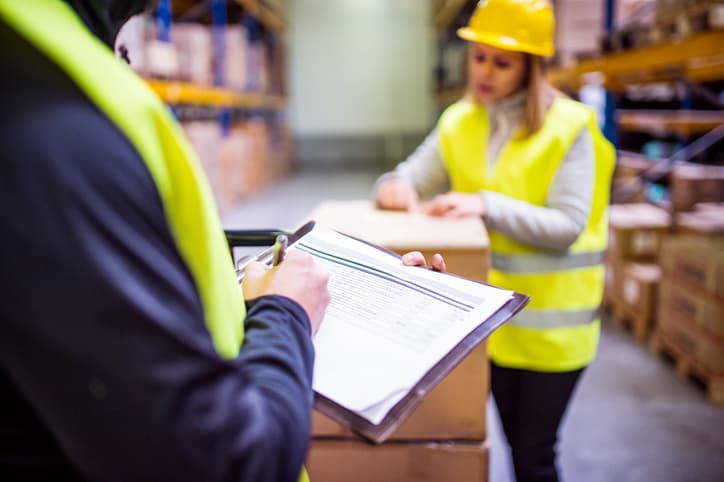
Inspect all delivery vehicles and trailers before unloading or loading. This will help reduce the risk of pests hitchhiking their way into your incoming or outgoing shipments, product storage, handling and distribution areas.
Shipment Inspection Checklist
-
Inspect trailers before unloading
-
Look for damaged packaging
-
Check pallets for pest evidence
-
Watch for droppings, insect evidence or nesting materials
-
Verify shipping seals when applicable
-
Report and document concerns immediately
-
Examine products before introducing to warehouse
3. Review Storage Practices
Proper storage procedures can help reduce conditions that attract pests.
Storage Best Practices
-
Store inventory off the floor
-
Maintain clear aisles and inspection access
-
Rotate inventory regularly
-
Remove excess clutter
-
Manage moisture issues promptly
-
Keep food and sensitive products secured
-
Monitor for product damage and spills
Routine inspections should be conducted throughout storage areas to identify developing concerns.
4. Assess Transportation Partners
Transportation vehicles play an important role in preventing pest movement throughout the supply chain. Trailers, trucks, containers and transfer stops can create opportunities for pests to enter, hide or move with products between locations.
Transportation Checklist
-
Inspect trailers between loads
-
Verify vehicle sanitation procedures
-
Check for signs of rodent, insect or bird activity
-
Evaluate cargo protection practices
-
Review cleaning and inspection documentation
-
Monitor high-risk transportation routes
Vetting transportation partners can help strengthen overall supply chain protection and reduce the risk of pests moving between facilities.
5. Check with Your Distribution Network
Determine the key checkpoints where distributors have prevention and inspection protocols in place to help ensure that products arrive at their final destination without pests.
Distribution Center Checklist
-
Verify inspection procedures
-
Review sanitation programs
-
Confirm monitoring activities
-
Identify corrective action processes
-
Ensure staff training programs are in place
-
Document recurring pest concerns
A consistent approach across distribution partners helps improve visibility throughout the supply chain.
6. Train Employees to Recognize Pest Risks
Employees involved in receiving, shipping, inventory management and facility maintenance can be valuable partners in pest prevention.
Training Checklist:
-
Recognizing signs of pest activity
-
Understanding reporting procedures
-
Following inspection standards
-
Maintaining sanitation expectations
-
Identifying pest-conducive conditions
-
Applying prevention best practices
Common Supply Chain Pest Red Flags
Know what to look for. These signs suggest pest activity may already be underway:
-
Damaged packaging: gnaw marks, hole or torn corners
-
Droppings: along walls, under shelving or near food storage
-
Live or dead insects: especially in corners, drains and loading areas
-
Unusual odors: musty or ammonia-like smells associated with rodents
-
Nesting materials: shredded paper, fabric or insulation tucked into quiet spaces
-
Product contamination: unexplained staining, webbing or insect casings on goods
What to Do If You Identify Pest Activity
Don't wait. Pest problems in logistics operations escalate quickly — especially in facilities with large, shared inventories or frequent product movement.
-
Isolate affected products immediately.
-
Document the finding with photos and written records.
-
Notify your appropriate internal team or facility leadership.
Contact your pest management provider for identification, assessment and treatment recommendations.
-
Review the corresponding checklist section to identify contributing conditions.
-
Implement corrective actions and schedule a follow-up inspection.
Building a Proactive Pest Management Strategy
Reactive pest control can be costly. A proactive approach is smarter — and significantly more cost-effective.
-
Employee Training: Ensure staff involved in shipping, receiving and storage know what to look for and how to report pest activity.
-
Scheduled Facility Inspections: Work with your pest management provider to establish a routine inspection calendar tailored to your facility's risk profile.
-
Integrated Pest Management (IPM): IPM combines preventive measures, monitoring tools and targeted treatments to manage pests with minimal disruption. It's the industry standard for good reason.
-
Supplier Accountability: Require pest management documentation from suppliers, carriers and distributors. Your supply chain is only as pest-free as its weakest link.
-
Monitoring Technology: Use digital monitoring tools and bait stations to track pest activity in real time and respond before problems escalate.
By taking a proactive approach, you’ll be one step closer to helping prevent pest pressure. Work with your pest management provider to create a customized plan for your facility, train staff involved in the shipping and receiving process and develop a plan for vetting shippers and other vendors. For information how to protect yourself across the supply chain, download Your Guide to Supply Chain Pest Management for Logistics.
Frequently Asked Questions About Supply Chain Pest Management
How do pests enter the supply chain?
Pests commonly enter through incoming shipments, transportation vehicles, pallets, packaging materials, supplier facilities and storage locations.
What facilities face the highest pest risk?
Warehouses, fulfillment centers, food storage locations, distribution centers, transportation hubs and manufacturing facilities often experience elevated pest pressure due to inventory volume and shipment activity.
What are the most common warehouse pests?
Rodents, cockroaches, flies, birds and stored product pests are among the most common pests found in logistics and warehouse environments.
Why are shipment inspections important?
Shipment inspections help identify potential pest activity before products enter storage areas and spread throughout a facility.