Prepping For A Restaurant Inspection
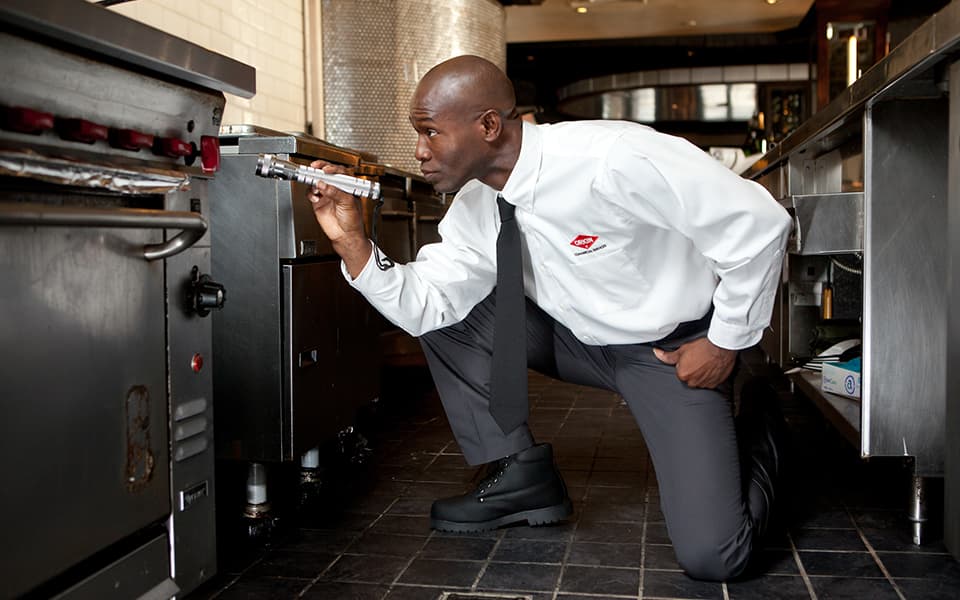
Health inspectors and pests have one thing in common – they can both arrive at a restaurant unannounced. Since the main purpose of a health inspection is food safety, implementing the following procedures to your regular maintenance and sanitation routine at four common pest “hot spots” can help ensure you make the grade.
Pest Hot Spots in Restaurants
Keeping pests out of your restaurant starts with knowing exactly where they’re most likely to invade. Each area of your business has unique vulnerabilities that pests exploit, often under the radar. By understanding these "hot spots," you can take proactive steps to protect your restaurant and maintain a clean, inviting environment for your customers.
Loading Docks
Start by pest-proofing your restaurant from the outside in:
-
Seal the Gaps: Install plastic strip curtains on doors near loading dock areas.
-
Box Check: Remove shipments from their original cardboard boxes, as pests can use these boxes for harborage.
-
Inspect Deliveries: Monitor boxes for signs of pests such as gnaw marks, droppings, or live and/or dead pests.
Storage Areas
Use the following tips to make sure storage spaces remain a place for supplies, not a home to pests:
-
Elevation is Everything: Store food supplies on open-backed shelving. Keep everything at least six inches off the floor and 18 inches away from the walls. This makes cleaning easier and eliminates hiding spots.
-
FIFO (First In, First Out): Rotate your goods. Older products sitting in the back are prime targets for pantry pests like beetles and moths.
-
Seal It Up: Once a bag is open, transfer ingredients to sealed, plastic contain
Kitchens
Turn up the heat on pests, so they don’t try to kick it in your kitchen:
-
Water Watch: Pests need water just as much as food. Fix leaking faucets, check dishwasher lines, and inspect ice machines regularly.
-
Drain Game: Floor drains are a breeding ground for small flies. Clean them regularly with a bio-enzymatic cleaner to eat away the organic buildup (gunk) that flies feed on.
-
Trash Talk: Garbage needs to go out. Now. Keep receptacles covered, lined, and clean. Don't let sludge build up at the bottom of the bin.
-
Deep Clean: Crumbs accumulate under heavy equipment. If you aren't moving the fryers and stoves to sweep underneath, you're feeding an army.
Dining Areas
Ongoing sanitation is the best way to keep dining areas full of guests, not pests:
-
Nightly Reset: Thoroughly clean all dining areas at the end of the day. Wipe down tables and chairs between customers, and then sweep and mop under them.
-
Patio Patrol: Pay attention to the patio. Sweep up or hose down outdoor areas to remove any crumbs or spills that might attract pests.
Document Pest Control Progress
Health inspectors love paperwork almost as much as they love checking temperatures. Your pest control logbook is your proof that you are taking food safety seriously. Ensure you have a dedicated binder (or digital file) ready to show the inspector. It needs to include:
-
Service Reports: Dates and details of every visit from your pest control provider.
-
Corrective Actions: Proof that you fixed the hole in the wall or repaired the screen door your technician pointed out.
-
SDS (Safety Data Sheets): Documents for any materials used on-site.
-
Licenses: Copies of your pest management professional's license and insurance.
Partner with a Pest Control Professional
You cook the food; let us handle the pests. Commercial pest control isn't a DIY job. Orkin Pros are trained to identify the subtle signs of an infestation that most people miss. We don’t just spray and pray; we use Integrated Pest Management (IPM) to target the root cause of the problem, protecting your reputation and your bottom line.
Ready to ace your next inspection? Contact Orkin today to schedule a free commercial pest control inspection and learn more about how to get your restaurant inspection-ready.
More Food Safety Resources
Learn the five most common restaurant food‑safety mistakes and how to avoid them to keep guests safe.
5 FAQs About the Food Safety Modernization Act
FSMA shifts food safety from reacting to contamination to preventing it, requiring facilities to implement hazard analyses and risk‑based preventive controls.
Reduce the Risk of Foodborne Illness at Your Restaurant
Most foodborne illness outbreaks start in restaurants, so strong employee hygiene and safe food‑handling practices are key to preventing contamination.
Integrating Green Pest Management with Food Safety
Integrating green pest management strengthens food safety by prioritizing sanitation, reducing chemical use, and using targeted tools like baits, pheromone monitors, and fly lights.