3 Pests to Watch For During Hurricane Season
Key Takeaways
-
Pests seek shelter, too: Severe storms displace rodents and insects, driving them directly into commercial facilities.
-
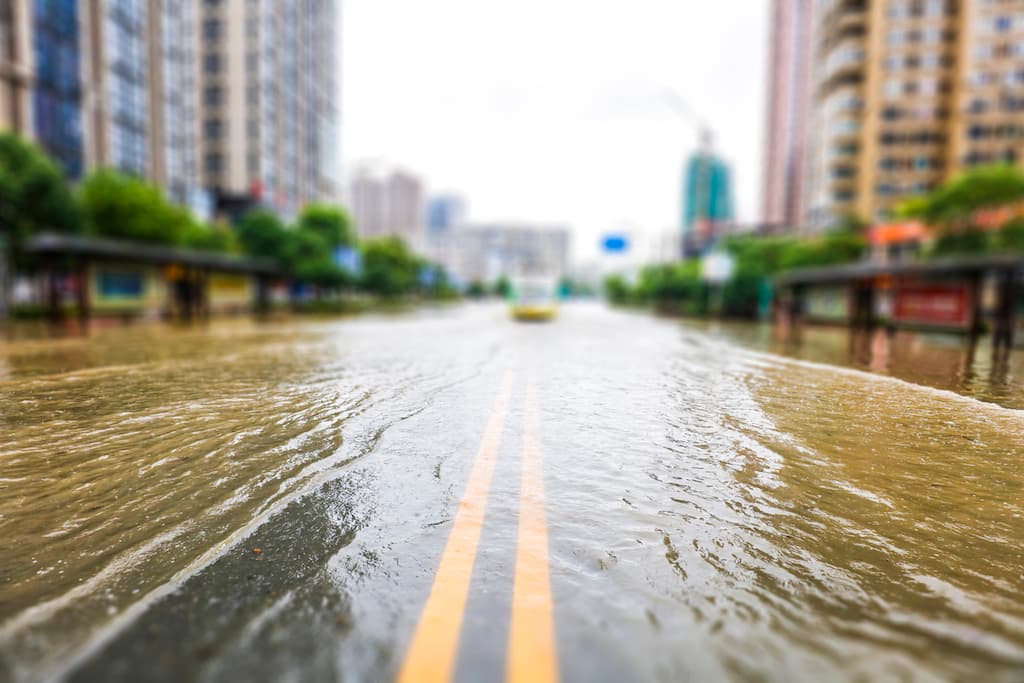
Standing water breeds trouble: Floodwaters and heavy rain create perfect breeding grounds for mosquitoes and flies.
-
Proactive preparation is vital: Sealing entry points and securing waste before a storm hits can help save your business from costly infestations.
-
Quick recovery helps prevent outbreaks: Promptly removing debris and addressing water damage after a hurricane helps stop pests from settling in.
-
Partner with professionals: A customized commercial pest control plan helps protect your reputation, inventory and bottom line during extreme weather.
According to the National Oceanic and Atmospheric Administration (NOAA), twelve tropical storms form each year with six becoming hurricanes over the Atlantic ocean. That’s a lot of major storms for the Atlantic hurricane season,which typically lasts from June through November. And with the destruction hurricanes can cause, just one storm is enough. You’re likely already preparing your business for the wake of these storms; while you prepare, be sure pest control stays on your list.
How Hurricanes Impact Businesses
Hurricanes do more than damage roofs and knock out power. Storms create the ultimate conducive conditions for an infestation. When pests invade your facility after a storm, your business faces several risks:
-
Structural Damage: Rodents can chew through drywall, insulation and even electrical wires, creating serious fire hazards.
-
Health and Safety Risks: Floodwaters mix with pests like flies and mosquitoes, spreading bacteria and threatening the health of your employees and customers.
-
Regulatory Compliance Issues: A post-storm pest outbreak can quickly lead to failed health inspections and code violations.
-
Inventory Loss: Power outages lead to spoiled food, which attracts flies and rodents that can contaminate your remaining safe stock.
During a storm, most pests will take cover—but in the aftermath, pests can become an issue for your property with the excess water and new entry points produced by the storm. These can leave your business vulnerable to pests as they come out of hiding.
Pests to Watch for During Hurricane Season
As you get ready for hurricane season, here are a few of the pests you should be prepared for:
-
Mosquitoes: Hurricane season and mosquito season run simultaneously, which is less than ideal since mosquitoes thrive in warm weather and moisture, two of the top after-effects of hurricanes. Following a hurricane, moisture management is critical to help minimize pest pressure. These pests are first drawn to standing water on your property, and then become attracted to body heat and exhaled carbon dioxide—making people in and around your business a target. Protecting your people from the health threats mosquitoes can cause is critical, especially as they manage the stress of a hurricane.
-
Rats: These pests are surprisingly good swimmers, meaning the water surge can relocate them to your business. Rats are constantly in search of food, water and shelter, and a big storm can cause structural damage and open new entry sites for these pests. If they get inside your business, they can cause further structural damage by chewing holes in walls and electrical wires.
-
Flies: One of the filthiest pests around, house flies can become a post-hurricane problem due to displaced trash and organic debris. Known to breed quickly and spread disease by leaving potentially hazardous germs everywhere they land, these pests can easily grow out of hand. And in the wake of a storm, contaminated food supplies can cause even more stress or illness.
Commercial Pest Control Preparation: Before the Storm
Hurricane damage can be catastrophic, and the last thing you need to worry about is a pest problem on your property. Before a storm, inspect your property and work with your vendors to ensure your property is safe from the start. Preparing your property before the storm hits is the best way to minimize pest pressure.
-
Seal Entry Points: Inspect your building's exterior. Use weather-resistant sealant to close gaps around doors, windows, pipes and utility lines. Remember, a mouse only needs a hole the size of a dime to squeeze inside.
-
Secure Waste Management: Make sure all commercial dumpsters are tightly sealed and moved as far away from the building as possible. Wind-blown trash is a magnet for pests.
-
Manage Moisture: Clean out gutters and ensure your property’s drainage system pulls water away from your foundation.
-
Trim Vegetation: Cut back tree branches and shrubs at least a few feet from your roof and siding. Pests use overgrown branches as a bridge right into your facility.
Post-Storm Pest Control Recovery
Once the storm passes and it is safe to return, act quickly. The faster you clean up, the less time pests have to move in.
-
Eliminate Standing Water: Drain puddles, empty outdoor containers and check your flat roofs for pooling water to stop mosquitoes from breeding.
-
Clear Debris: Remove fallen branches, wet leaves and scattered trash immediately. Pests use these piles for shelter.
-
Dispose of Spoiled Food: If you lost power, throw away spoiled goods in sealed bags and place them in secure, outdoor dumpsters.
-
Check for Damage: Re-inspect your building for new cracks, holes or leaks caused by the hurricane and repair them promptly.
While we can’t stop Mother Nature, you and your pest control provider can work together to create a plan and quickly address the damage left in a hurricane’s aftermath. The right provider will implement an effective Integrated Pest Management (IPM) plan that will help protect your business from pest populations before and after a hurricane makes landfall.
For more pest management tips to follow after hurricanes—and other severe weather conditions, like temperature extremes and tornadoes—download our guide to Extreme Weather and Pests. Not sure your current pest management plan can withstand a storm? Get a free inspection from an Orkin Pro.
Additional FAQs: Pest Risks During Hurricane Season
Why do pest problems often increase weeks after a hurricane?
Not all pest activity appears immediately after a storm. Standing water, water-damaged materials, spoiled inventory, and structural damage can create conditions that support pest populations for weeks or even months following a hurricane, especially if repairs are delayed.
Can flood damage make a building more vulnerable to future pest problems?
Yes. Water damage can weaken building materials, create hidden moisture pockets, and leave gaps around doors, windows, and utility penetrations. If these issues are not addressed during repairs, they can increase the likelihood of future pest activity.
How do power outages contribute to pest pressure after severe weather?
Extended power outages can lead to spoiled food, reduced sanitation capabilities, and disruptions in climate-controlled environments. These conditions can attract pests and create additional challenges during facility recovery.
What role does facility maintenance play in post-storm pest prevention?
Maintenance teams are often the first line of defense against pest problems after severe weather. Prompt repairs to damaged roofing, doors, drainage systems, and building exteriors can help prevent pests from taking advantage of storm-related vulnerabilities.
More Extreme Weather Resources
Can Your Pest Control Outlast the Storm?
Protect your business from storm-related pest risks. Learn how a reliable pest control plan can help you prepare for and recover after extreme weather.
Use this post-storm checklist to protect your business after extreme weather. Learn how to prevent pest infestations, assess damage, and recover quickly.
Extreme Weather Pest Control Quiz
How prepared is your business for extreme weather pests? Take this quiz to test your knowledge and uncover potential risks.
Is Mosquito Season Getting Longer?
Warm weather and standing water after storms create ideal conditions for mosquito infestations, increasing risks for businesses.