Ant Hot Spots in Businesses
Key Points
-
How ants get in: Through expansion joints, utility lines, HVAC openings, and roof gaps.
-
Where ants nest: Wall voids, under slabs near hot water pipes, and inside machinery.
-
Why it matters: Ants can spread harmful bacteria like E. coli and salmonella, especially in food-handling areas.
-
Ant prevention basics: Focus on exclusion, sanitation, and modifying their environment.
-
The solution: Professional pest control is key to eliminating colonies and ensuring compliance.
No matter where you’re located, there are ants that have carved out territory in your region. Despite their small size, these pests are difficult to control and can cause big problems for your business. When ants go marching into your facility, they can damage structures, transmit pathogens, cause electrical problems and threaten health and safety scores in food handling environments.
How do ants get inside commercial buildings?
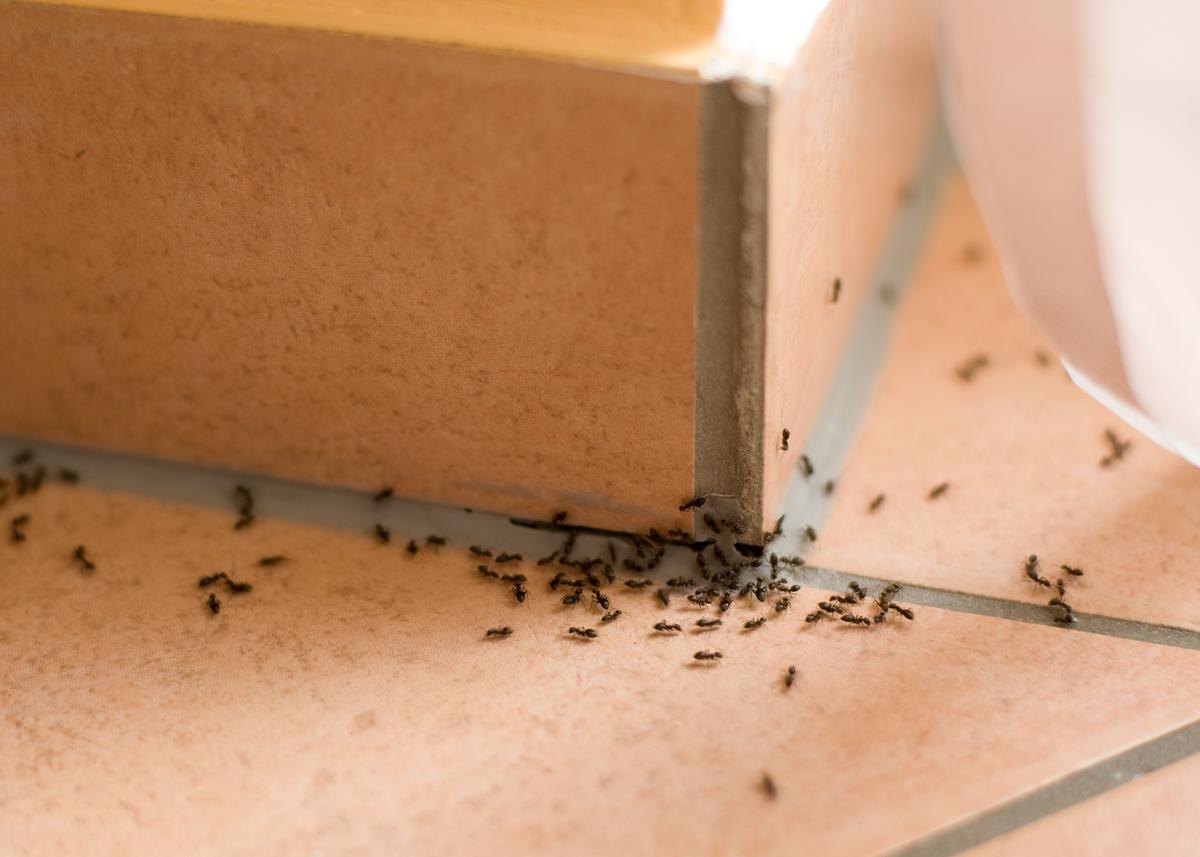
Ants typically establish outdoor nests near sidewalks, parking lots, and pavement adjacent to your building. From there, they exploit weaknesses in your building's defenses:
-
Expansion joints and foundation cracks provide direct entry from outdoor colonies
-
Unsealed utility penetrations around pipes, wires, and HVAC lines create highways into your facility
-
Gaps around HVAC units and roofing offer access points at multiple levels
-
Landscape features including tree branches, electrical wires, and gutters serve as bridges to upper floors
-
Loading dock doors left open during deliveries invite foraging scouts inside
However, ants aren't just ground-level threats. Soil-nesting species like pavement ants will climb trees or building features to reach openings on higher floors. They follow the path of least resistance, and once a few scouts find food or moisture inside, they'll recruit thousands of colony members within hours.
You can help protect your business from ants by monitoring exterior and interior hot spots each day and better understanding the different kinds of ants and their behaviors. (Download our free Antcyclopedia, a reference guide for common ant species, attractants and prevention measures.) Take note of these hot spots instead of overlooking them.
Common Exterior Hot Spots for Ants
Ants are opportunistic by nature, and the exterior of your building can offer plenty of inviting hot spots for them to establish a foothold. Areas with consistent food sources, moisture, or easy access points are especially attractive to these intruders. Understanding these exterior problem zones is the first step in preventing ant infestations before they make their way inside. Below are some of the most common exterior hot spots to keep an eye on:
1. Building Perimeter and Foundation
-
Areas to monitor: Cracks in foundation walls, gaps around doors and windows, spaces where utility lines enter.
-
Risk factors: Damaged door sweeps, deteriorating weather stripping, exterior wall cracks provide easy access.
-
Best practices: Inspect regularly, seal openings with weather-resistant caulk, and maintain door sweeps and weather stripping.
2. Loading Docks and Delivery Areas
-
Areas to monitor: Dock doors, surrounding sweep zones, and places where deliveries are handled.
-
Risk factors: Doors left open, food debris, and open access points invite ants indoors.
-
Best practices: Keep dock doors closed, inspect shipments for pests, and maintain cleanliness and properly distanced dumpsters.
3. Landscape and Outdoor Spaces
-
Areas to monitor: Overgrown vegetation, mulch near foundations, standing water, and tree branches or shrubs touching the building.
-
Risk factors: Vegetation touching the building creates access, mulch and moisture harbor ants, and standing water attracts colonies.
-
Best practices: Trim plants and shrubs at least 18 inches away, address drainage, and keep outdoor eating areas clean.
Interior Hot Spots for Ants
Below are the primary areas inside your facility that are most likely to attract ants, along with best practices and tips to keep them at bay.
1. Employee Break Rooms and Office Spaces
-
Areas to monitor: Under sinks, around drains and pipes, vending machine areas, employee lockers, and desks with food.
-
Risk factors: Food crumbs, spills, and leaks provide resources ants seek.
-
Best practices: Empty trash daily, clean up spills, store food in sealed containers, and sanitize surfaces.
2. Food-Handling and Processing Areas
-
Areas to monitor: Wall voids, spaces under slabs, machinery compartments, gaps between equipment, and areas beneath fixtures.
-
Risk factors: Food residue, moisture, and limited cleaning access create opportunities for ants.
-
Best practices: Arrange equipment for thorough cleaning, inspect shipments, maintain sanitation, and repair leaks.
3. Mechanical Rooms and Utility Spaces
-
Areas to monitor: Around HVAC units, ductwork, water heaters, boiler rooms, electrical panels, and server rooms.
-
Risk factors: Heat, humidity, and limited foot traffic make these zones high risk.
-
Best practices: Conduct regular inspections, seal utility penetrations, and control humidity.
How can businesses prevent ant infestations?
Effective ant management isn't an overnight process. It requires a comprehensive prevention strategy built on three pillars:
-
Exclusion: Block entry points by sealing cracks, caulking around frames, installing door sweeps, repairing screens, and sealing gaps around utility penetrations. Conduct quarterly inspections to address new vulnerabilities.
-
Sanitation: Eliminate food and water sources by implementing daily cleaning, storing food in sealed containers, fixing leaks, keeping drains clear, and managing waste properly.
-
Environmental Modification: Reduce outdoor attractants by maintaining landscaping, removing nesting materials, addressing moisture issues, and trimming vegetation near the building.
To learn more about ants and what makes them tick, download our free Antcyclopedia.
More Ant Resources
4 Steps to Help Identify Ants at Your Business
Ants are drawn to food, moisture, and shelter, and you can identify the species by checking for clues like frass, dirt mounds, or cracks, following their trails, and noting what type of food they’re targeting
7 BrilliANT Facts about Ants
Ants are fascinating creatures with complex behaviors and survival skills. Discover 7 brilliant facts that reveal how these tiny insects thrive.
3 Ways Ants Endeavor to Outsmart You
Their small size, huge unseen colony numbers, and highly adaptive social organization make ants unusually difficult for businesses to control.