How to Deter Flying Summer Pests
Key Takeaways
-
Sanitation is your first defense: Regular cleaning and waste management helps reduce food sources that attract flying pests.
-
Block entry points: Use weather stripping, screens and air curtains to create a physical barrier against insects and birds.
-
Eliminate breeding grounds: Remove standing water and maintain landscaping to disrupt pest life cycles and help prevent multiplication.
-
Pests threaten compliance: Flying pests can spread disease, leading to failed health inspections and reputational damage.
-
Professional partnerships are key: A commercial pest management provider offers compliant, tailored solutions to help protect your business.
Summer brings more customers, more outdoor activity and, unfortunately, more flying pests. From flies and mosquitoes to stinging insects and nuisance birds, these unwelcome visitors can create sanitation concerns, disrupt operations and leave a lasting impression on customers. The good news? A little preparation now can help keep them from overstaying their welcome.
As you prepare for the summer, here are the winged pests you should look for:
Large Flies
Large flies, such as house flies and blow flies, present a significant health risk as they are carriers for pathogens like Salmonella and E. coli. This makes them a critical concern for foodservice, healthcare and hospitality professionals.
-
Summer Behavior: Fly populations surge in the summer heat. They are attracted to decaying organic matter, garbage and moisture, and their rapid breeding cycle allows a small issue to become a severe infestation quickly.
-
Business Impact: The presence of flies can lead to serious health code violations, food and product contamination, loss of customer trust and failed audits.
-
Prevention & Control: Implement rigorous sanitation protocols, ensure waste is managed in sealed containers and eliminate moisture sources. Professional intervention may be required to address breeding sites and entry points.
Bees & Wasps
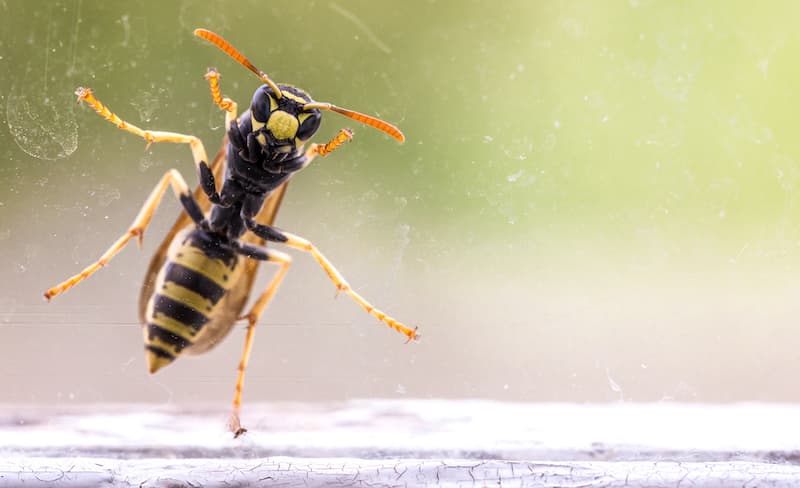
While important for the environment, stinging insects such as bees and wasps can cause major disruption at your business.
-
Summer Behavior: These insects are most active during summer, constructing nests in sheltered areas like roof eaves, gutters, wall voids, fruit-bearing trees, brightly covered flowers and outdoor seating areas.
-
Business Impact: Nests near high-traffic zones pose a direct threat to the safety of employees and customers, potentially leading to allergic reactions and legal liability.
-
Prevention & Control: Regularly inspect the property for nest-building activity. Always engage a pest control professional for the safe removal of stinging insect nests.
Mosquitoes
Mosquito populations increase dramatically in summer, leveraging the heat and availability of standing water for breeding.
-
Summer Behavior: Mosquitoes breed in stagnant water sources, no matter how small. They are most active at dawn and dusk.
-
Business Impact: They create an uncomfortable environment for patrons in outdoor spaces and pose health risks as they can transmit diseases.
-
Prevention & Control: The primary strategy is to eliminate standing water. Regularly inspect and clear gutters, drains and any containers that collect water. Securing entry points like doors and windows is also a key preventive measure.
Birds
Pest birds like pigeons and sparrows often seek shelter and nesting sites on commercial buildings, with activity peaking in warmer months.
-
Summer Behavior: Birds congregate on rooftops, ledges and loading docks to nest and roost. They can also cause problems for warehouses with high ceilings and restaurants or hotels with outdoor patios.
-
Business Impact: Bird activity leads to costly structural damage from nesting materials and corrosive droppings. Their droppings also create severe sanitation hazards, contaminate inventory and can cause slip-and-fall incidents, compromising regulatory compliance.
-
Prevention & Control: The most effective approach involves implementing deterrents such as netting, spikes or other professional exclusion solutions to prevent birds from landing and nesting on your property. Always work with a pest control professional to make sure you’re complying with federal, state and local regulations.
Best Practices for Commercial Flying Pest Control
Now that you know what to look for when it comes to flying pests and summer weather, you should work with your pest management provider to implement a plan to help prevent them from disrupting your operations and threatening your profits. Use the following tips as a discussion starter with your pest control provider to make sure your plan is effective for your business.
Maintain Your Property Grounds
Beautiful blooms and elaborate plants make your property more attractive to patrons and winged pests alike.
-
Trim overgrown branches
-
Move plants away from touching your building’s exterior
-
Remove excess wood mulch and plant cover
Secure Your Exterior
Perhaps the most important preventive measure you can take when it comes to eliminating flies and birds is implementing exclusion tactics.
-
Inspect your property’s exterior with your pest control provider
-
Install weather stripping and window screens to help keep flying pests out
-
Ask your provider about maintaining positive air control
-
Install fly lights indoors to help capture flies that make it inside
Keep It Clean
When it comes to pests like flies, sanitation is one of the best ways to keep them away. While each industry has its own sanitation requirements, these basics are beneficial to everyone.
-
Clean your facility daily
-
Remove clutter from loading docks and storage areas
-
Wipe down surfaces before and after use
-
Empty trash cans as soon as they fill up and clean your dumpster monthly
-
As many flying pests spread diseases, consider including disinfection in your sanitation plan if it isn’t already
Professional Commercial Pest Control
You should have absolute confidence in your pest control provider to provide effective solutions for your pest concerns. Work with your pest control provider to conduct regular facility inspections. A proactive pest control plan can help reduce disruptions, support sanitation efforts and give you greater confidence heading into the busiest months of the year.
Help protect your reputation and maintain a safe environment for your staff and customers. Contact an Orkin Pro today to schedule a free inspection and develop a customized pest control program tailored to your industry.
FAQs About Summer Flying Pests in Facilities
Why are flying pests more active during summer?
Flying pests tend to increase in summer because warm temperatures, moisture, and longer daylight hours create ideal conditions for breeding and activity. Access to food sources and standing water around commercial properties can accelerate population growth. Without preventive measures in place, a small issue can quickly become more widespread during peak season.
What attracts flies to commercial properties?
Flies are drawn to food waste, moisture, and organic material commonly found around dumpsters, drains, and food prep areas. Poor sanitation practices or uncovered trash can quickly make a property more appealing to flies. Maintaining consistent cleaning routines and proper waste management can help reduce these attractants and support overall fly control.
How can businesses help prevent mosquitoes?
The most effective way to help prevent mosquitoes is to eliminate standing water where they breed. Regularly inspecting gutters, drains, landscaping, and any containers that collect water can significantly reduce mosquito activity. Partnering with a commercial pest control provider can also help address problem areas and support a more proactive prevention plan.
Where do birds commonly gather around commercial facilities?
Birds often gather on rooftops, ledges, loading docks, and other elevated or sheltered areas that provide space to roost or nest. Outdoor dining areas, warehouses, and high-traffic entry points can also attract bird activity. Implementing professional exclusion measures can help discourage birds from settling on your property while supporting compliance and safety.
Seasonal Commercial Pest Control Resources
5 Reasons Summer is the Season for Pests
Learn why summer creates ideal conditions for pests and how factors like temperature, moisture, food availability, and pest life cycles drive increased activity.
How Your Pest Control Changes With the Seasons
Discover how seasonal changes impact pest activity and how a year-round pest control approach can help businesses prevent infestations before they start.
8 Proactive Tips to Stay Ahead of Bed Bug Season
Bed bug risk increases during peak travel seasons, making staff training, routine inspections, decluttering, and rapid response plans essential for commercial facilities.