Common Manufacturing Facility Pests and How to Help Prevent Them
Key Takeaways
-
Pests can put product quality, operations and supply chain continuity at risk.
-
Cockroaches, rodents, ants and flies can contaminate materials, damage products, and create sanitation risks if they gain access to a facility.
-
Prevention starts with identifying vulnerabilities. Loading docks, shipping and receiving areas, storage rooms, production floors, break rooms and building exteriors are among the highest-risk areas for pest activity.
-
Gaps around doors, damaged seals, standing water and unaddressed maintenance issues can provide pests with easy access to a facility.
-
A proactive pest management program that combines exclusion, sanitation, routine inspections and facility maintenance can help reduce the risk of infestations and operational disruptions.
What Does a Strong Pest Control Program Look Like?
Effective manufacturing pest management focuses on identifying pest pressures ahead of time before they appear. This means reducing conditions that attract pests, monitoring for activity and addressing entry points throughout your facility.
Whether you manufacture industrial goods, electronics, packaging materials, automotive components or consumer products, a proactive pest management program can help protect your products, processes and supply chain.
Why Pest Management Matters in Manufacturing Facilities
Manufacturing facilities play an important role in the supply chain. From receiving raw materials to storing inventory and shipping finished products, each stage of the operation presents opportunities for pests to enter a facility and spread throughout the supply chain.
A damaged door sweep under the side door of your loading dock can give pests a direct path into your facility. Once inside, cockroaches, rodents or other pests may quickly move into staging areas, packaging, pallets or shipments. These pests can contaminate or damage materials, create sanitation concerns and put quality and customer confidence at risk.
Pests don’t need much to thrive. Food, water and shelter is all they need to make themselves at home in your facility. Standing water indoors or outdoors, food debris in waste containers, unsealed gaps and protected harborage areas can make your facility more attractive to pests.
Common Pests Found in Manufacturing Facilities
The first step to controlling a potential infestation of any kind is to identify which pests are a direct threat. For the full list of pests wreaking havoc in manufacturing facilities, download Your Guide to Supply Chain Pest Management for Non-Food Manufacturing. In the meantime, here are a few of the most common pests you could see:
Cockroaches
Cockroaches are experts at staying out of sight. They can squeeze through small cracks, hide in dark voids and build populations before their activity is noticed. Once in your facility, they can create sanitation and quality control concerns if not managed promptly.
Common risk areas include:
-
Loading docks
-
Break rooms
-
Locker rooms
-
Waste handling areas
-
Utility spaces
Rodents
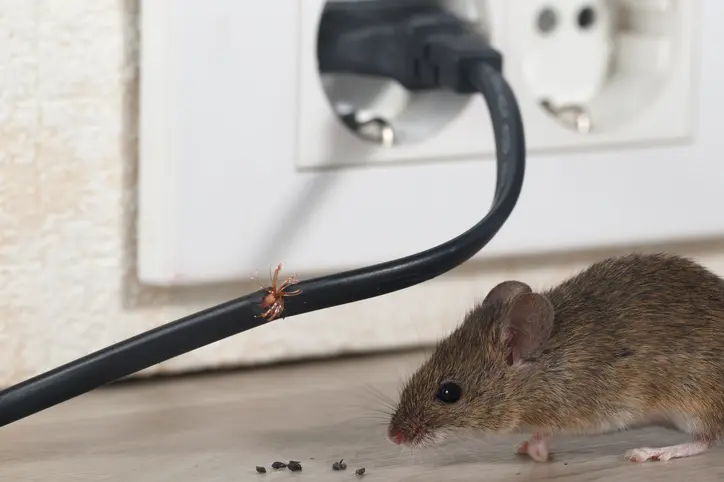
Mice and rats can be a year-round concern, with indoor activity often increasing when temperatures cool or exterior food sources decline. They can reproduce quickly, contaminate surfaces and materials, damage packaging and gnaw wiring or equipment components.
Common risk areas include:
-
Storage rooms
-
Warehouses
-
Shipping areas
-
Utility rooms
-
Exterior perimeters
Ants
Ants are widespread and can be difficult to control once they make their way inside. These social insects may travel long distances in search of food, water or nesting sites and can enter through very small exterior gaps, utility penetrations and door thresholds.
Common risk areas include:
-
Exterior foundations
-
Employee break areas
-
Kitchens
-
Moisture-prone spaces
Flies
Flies can move between waste, drains, exterior areas and interior workspaces, creating sanitation concerns as they contact surfaces throughout a facility. Because many fly species reproduce quickly, early identification of breeding sites and prompt corrective action are important.
Common risk areas include:
-
Loading docks
-
Refuse areas
-
Floor drains
-
Exterior waste containers
Stored Product Pests
Depending on facility operations, some manufacturing environments may also encounter stored product pests such as beetles or moths that infest packaged goods, ingredients or raw materials.
Common risk areas include:
-
Shipping and receiving areas
-
Inventory storage
-
Product packaging
High-Risk Areas That Require Close Monitoring
Effective pest management for manufacturing facilities starts with knowing where to look. These areas require heightened attention:
Loading Docks and Dock Doors
Frequent opening and closing — plus gaps around seals — make these primary entry points for pests.
Tip: Inspect incoming shipments, keep docks clean, repair exterior seals and watch for pest activity.
Shipping and Receiving Areas
Incoming materials can introduce stored product pests and other hitchhikers directly into your facility.
Tip: Inspect pallets, check packaging integrity and remove damaged materials promptly.
Warehouses and Storage Rooms
Dark, undisturbed areas with stored goods are ideal harboring sites for rodents and stored product pests.
Tip: Keep materials off the floor, maintain room for inspections and rotate inventory regularly.
Production Floors
Spills, debris and equipment voids provide harborage and food sources.
Tip: Clean spills promptly and inspect production lines and hard-to-reach spaces regularly.
Employee Break Rooms and Cafeterias
Food waste and moisture attract flies, cockroaches and ants.
Tip: Be sure to clean surface areas often, store food properly and remove trash.
Utility Areas
Pipes, conduit runs and mechanical rooms offer shelter and travel corridors for pests.
Tip: Repair leaks, seal gaps and monitor unused areas.
Building Exteriors and Perimeters
Overgrown landscaping, standing water and improperly sealed gaps all invite pest activity close to your structure.
Tip: Maintain vegetation, drainage and standing water frequently.
How to Help Prevent Pest Infestations in Manufacturing Facilities
Integrated Pest Management (IPM) combines inspection, monitoring, pest identification, sanitation, exclusion, documentation and targeted corrective actions rather than relying on reactive pest control treatments alone.
Exclusion Strategies
-
Installing and maintaining door sweeps on all dock and exterior doors
-
Applying weather stripping and sealants around gaps in walls, pipes and utility entries
-
Inspecting and repairing damaged screens on windows and vents
-
Keeping dock doors closed when not in active use
Sanitation Practices
-
Cleaning under and around equipment regularly to remove debris and spills
-
Emptying interior waste bins frequently and securing exterior dumpsters
-
Managing standing water in drains, around HVAC units and in low-lying exterior areas
-
Storing raw materials and finished goods off the floor and away from walls
Facility Maintenance
-
Inspecting incoming shipments for signs of pest activity before they enter the facility
-
Addressing structural damage promptly; cracks, gaps and deteriorating seals are open invitations
-
Maintaining exterior landscaping to reduce shelter near the building perimeter
Reviewing exterior lighting placement and intensity to help reduce pest attraction near entry points where appropriate
Resources for Better Pest Management
Despite your best efforts, no facility can eliminate every pest risk. But with due diligence, employee awareness, facility maintenance and a documented pest management program, you can help reduce conditions that attract pests and identify issues before they become larger problems.
To learn more about the pests that could pose the biggest threats to your supply chain and other helpful tips to stay prepared during any leg of the supply chain, download Your Guide to Supply Chain Pest Management for Non-Food Manufacturing.
Manufacturing Facility Pest Control FAQs
What pests are most common in manufacturing facilities?
Rodents, cockroaches, ants, flies and stored product pests are among the most common pests found in manufacturing facilities.
Why is pest control important in manufacturing facilities?
Pest control helps facilities reduce contamination risks, protect inventory, maintain operational continuity and support supply chain integrity.
How do pests enter manufacturing facilities?
Pests may enter through loading docks, damaged door sweeps, utility penetrations, open doors, incoming shipments, pallets and structural gaps.
What areas of a manufacturing facility should be inspected for pests?
Facilities should routinely inspect loading docks, shipping and receiving areas, storage rooms, break rooms, waste handling areas and building exteriors.
What is Integrated Pest Management (IPM)?
Integrated Pest Management (IPM) uses a mix of non-chemical and chemical approaches to help manage and protect against pests. Our IPM approach, the Orkin Pro Process™, is the standard for our commercial pest control services. The five-step process delivers more with every service, starting with a thorough inspection and diagnosis of any pest presence, precise treatment and prevention work grounded in science, and rigorous reporting so you always know we’re getting the job done right.
Can pest activity impact the supply chain?
Yes. Pest activity may affect products, packaging, inventory and shipments while creating challenges that can extend beyond a single facility into other parts of the supply chain.
How can manufacturers help prevent pest infestations?
Facilities can help reduce risks through facility maintenance, sanitation programs, routine inspections, employee education, inventory management and IPM strategies.
How often should manufacturing facilities be inspected for pests?
Inspection frequency depends on facility size, operational complexity, pest pressure and industry requirements. Many facilities implement ongoing monitoring and routine inspections as part of a comprehensive pest management program.